In brief
Volodymyr Zelensky landed in Oslo ahead of a meeting with U.S. special envoy Steve Witkoff and others, hoping to address strained relations with Washington. U.S. Secretary of State Marco Rubio rebuffed allegations that Kyiv suffers because America is withholding tactical intelligence. The talks also cover the deployment of Patriot interceptors, Starlink support and the broader war‑end strategy. Russian officials welcome the mediation, while European leaders urge cooperation for a lasting peace. The summit arrives amid renewed scrutiny of U.S.-Russia dynamics and European defence burden.
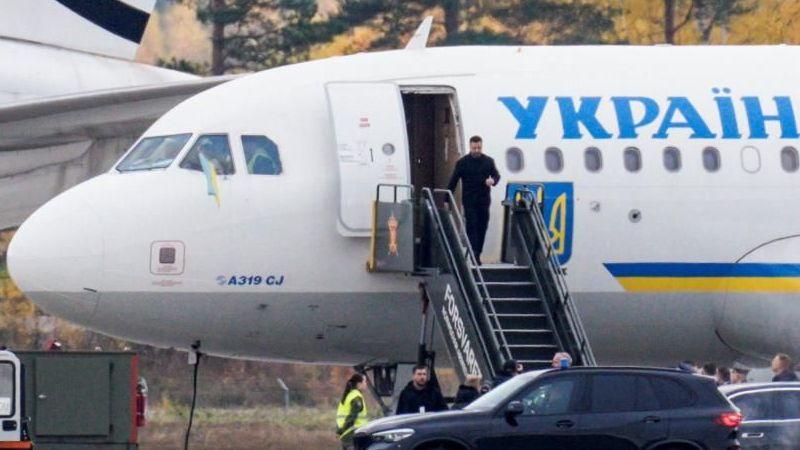
Volodymyr Zelensky landed at Oslo Airport on Tuesday, preparing for a crucial meeting with U.S. special envoy Steve Witkoff, his partner Jared Kushner and representatives from several European nations.
The purpose of the talks is to smooth the increasingly strained relationship between Kyiv and Washington. U.S. Secretary of State Marco Rubio has sharply denied that the United States is withholding intelligence that could save Ukrainian lives, calling the claims “scandalous” and “outrageous.”
Zelensky’s military technical adviser, Serhii Beskrestnov, argued that inconsistent warning systems force Ukrainian forces to react after attacks, leading to avoidable casualties. The meeting will also address the pending deployment of Patriot missile interceptors and the support of SpaceX’s Starlink internet network in Ukraine.
European leaders, including Norwegian Prime Minister Jonas Gahr Støre, call for a constructive path that culminates in a diplomatic end to the conflict. The U.S. visit comes as Russia‑Britain‑Ukraine dynamics shift, with Kremlin spokesman Dmitry Peskov welcoming American mediation efforts and Russian President Vladimir Putin recently discussing the war with former President Donald Trump.
Germany’s Chancellor Friedrich Merz has voiced concern over the United States’ shifting stance, noting that Europe is shouldering a significant defence burden. Meanwhile, U.S. Vice‑President J.D. Vance has clarified that Ukraine is a partner rather than a formal ally, highlighting divergent interests on issues such as Russian energy sanctions.