In brief
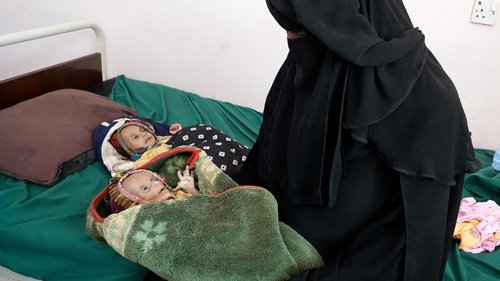
The visit has been met with skepticism from locals and advocacy groups, citing ongoing violence and inadequate aid levels amidst a dire humanitarian situation.
US Middle East envoy Steve Witkoff has made a significant visit to a contentious aid distribution site in Gaza supported by Israel and the US. This trip aims to provide President Trump with a clearer perspective on the humanitarian crisis in the region and to formulate a plan for food and medical assistance for Palestinians, according to Witkoff.This visit comes in the wake of alarming reports detailing violent incidents at Gaza Humanitarian Foundation (GHF) distribution points, with the United Nations (UN) documenting over 850 Palestinian fatalities near these sites—a claim the GHF disputes. Israeli authorities insist that their troops only fire warning shots, asserting they do not target civilians intentionally. However, the challenging reporting environment, with restrictions on independent media access to Gaza, complicates the verification of these claims.Witkoff's Friday excursion included a tour of a GHF site in Rafah, underscored by his discussions with US Ambassador to Israel Mike Huckabee and the Israel Defense Forces (IDF). After the visit, Witkoff tweeted about spending over five hours to assess the conditions on the ground and engage with the GHF and other aid agencies. Huckabee further claimed that GHF was successfully providing "more than one million meals a day," labeling it an impressive accomplishment, whereas the GHF reported distributing 1.3 million meals on Thursday, yet the UN stated that this falls significantly short of meeting nutritional needs.Local reactions to Witkoff's visit have been largely critical. Many Gazans, including father of two Amer Khayrat, expressed their disillusionment, stating that the region needs more than just visits from officials. They call for an end to the siege and immediate action to halt the violence. Louay Mahmoud, a resident, argued that Witkoff's perspective is overly influenced by Israeli narratives that do not reflect the local reality.Human rights organizations have expressed grave concerns about the circumstances surrounding aid distribution in Gaza. Scott Paul from Oxfam articulated that Witkoff and Huckabee should have witnessed the tragic reality faced by countless families on the brink of starvation, urging the US to leverage its influence to mitigate the looming humanitarian disaster. Former officials criticized the visit, branding it as a mere photo opportunity rather than a genuine humanitarian mission, aimed solely at improving the image of the US administration.Amidst this backdrop, accusations have emerged against Israeli forces and US-sponsored contractors, alleging that the militarized nature of the aid distribution has led to violence and chaos at distribution points. Witness testimonies have reported shootings by Israeli forces near these locations, drawing sharp rebukes from human rights watchdogs.While diplomatic dialogues continue—Witkoff met with Israeli Prime Minister Benjamin Netanyahu prior to his Gaza trip—ceasefire negotiations remain fraught. Discussions are underway regarding potential hostage exchanges, with Hamas demanding more substantial aid flow into Gaza before re-engaging in negotiations.As violence continues to unfold, the situation in Gaza remains critical, with ongoing reports of fatalities and urgent calls for international support to alleviate the humanitarian crisis in the region.