In brief
The International Criminal Court announced concrete evidence tying Rapid Support Forces leaders to war crimes in Darfur's el‑Fasher and el‑Geneina. The breakthrough, revealed in a BBC interview, strengthens claims of crimes against humanity. While the court acknowledges no immediate timeline for charges, the findings signal progress in a case that has spanned more than two decades. The evidence includes videos, photographs and forensic reports that connect officials to systematic attacks on civilians.
The International Criminal Court (ICC) announced that it now possesses concrete evidence linking leaders of the paramilitary Rapid Support Forces (RSF) to recent war crimes in Sudan’s Darfur region. Deputy chief prosecutor Nazhat Shameem Khan told the BBC that the investigation has reached a breakthrough in the massacres in the cities of el‑Fasher and el‑Geneina.
El‑Fasher fell to the RSF in October last year, when over 6,000 civilians were killed, according to United Nations figures. In the same conflict, RSF forces are accused of a similar slaughter in el‑Geneina. The court’s new evidence shows a link between the parties on the ground and specific RSF leaders, adding weight to allegations of crimes against humanity.
The RSF has denied ethnic‑based killings and denied that the scale of atrocities was exaggerated, though it acknowledges that some violations occurred. A UN fact‑finding mission report released on Wednesday highlighted systematic attacks on civilians, especially those based on ethnic grounds, which could qualify as war crimes and crimes against humanity.
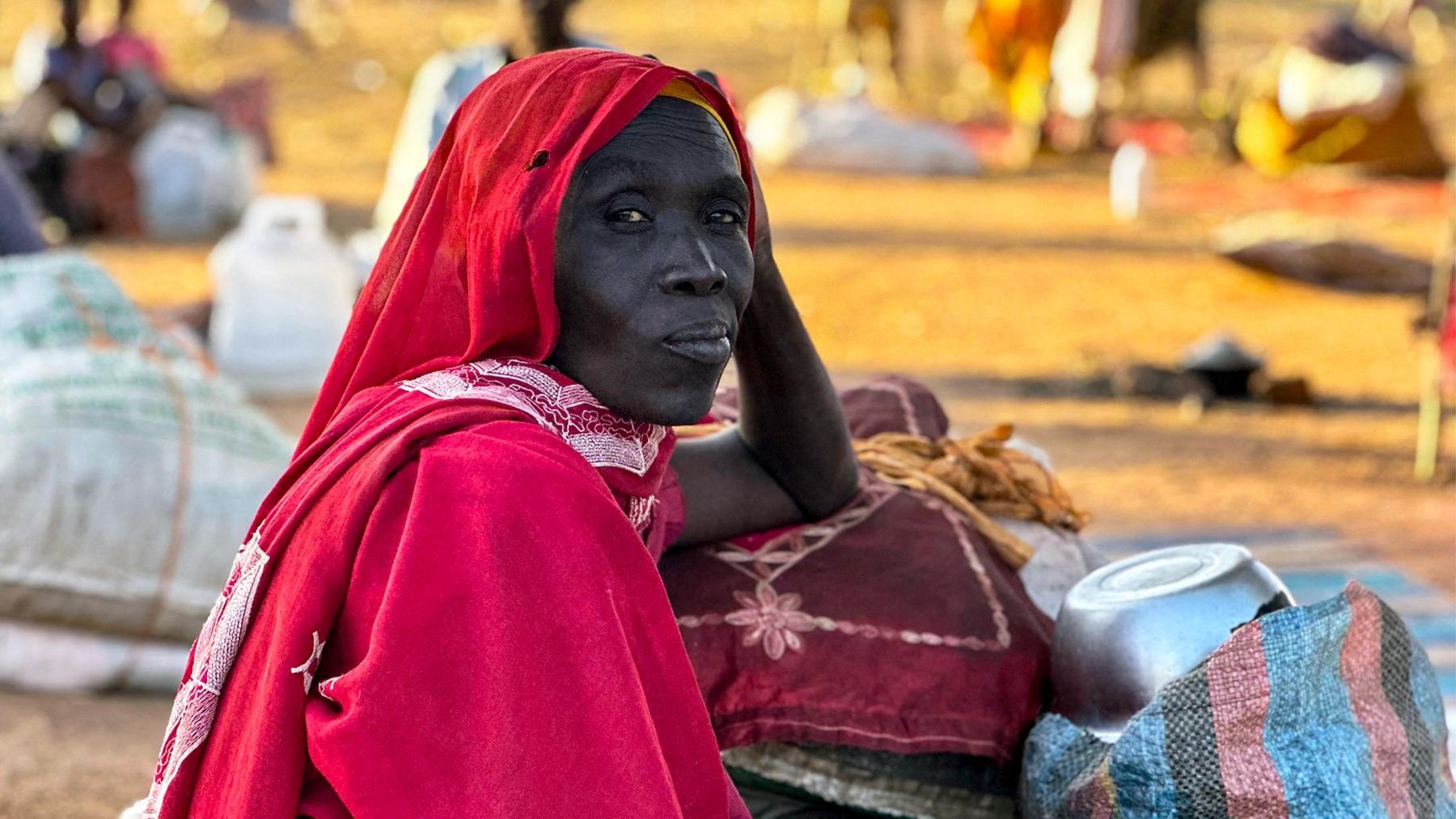
Khan’s statement came after visits to refugee camps in eastern Chad, where survivors recounted the horrors they endured. The ICC’s investigation now includes witness testimonies, photographic and video evidence, and forensic data. Previously, the court had prosecuted seven individuals for similar offences, including former Sudanese President Omar al‑Bashir.
While the court cannot yet predict the exact timing of formal charges, the breakthrough is a significant step toward delivering justice to the victims of the Darfur conflict. The ICC, based in The Hague, remains committed to confronting genocide, crimes against humanity and war crimes globally.
For further reading, visit: I saw bodies dumped in Sudan mass grave and 20 years of alleged war crimes in Darfur.