In brief
Since 19 June, France has seen 301 drownings, up 14 % from 2025, officials say, as heatwaves push people into un‑supervised waters and canals. Many fatalities involved the elderly, cold‑water shock, and surfing in polluted rivers. The government is working with regional authorities to improve swimming areas and raise safety standards. The same summer’s heat waves also caused a nuclear plant to shut down, closed Eiffel Tower outlets, and ignited large wildfires that displaced 200,000 residents in Bordeaux. Climate change is accelerating temperatures across Europe, doubling the continent’s warming rate versus the global average.
Since 19 June, France has recorded 301 drownings, a 14 % rise on last year’s figures, Sports and Youth Minister Marina Ferrari told the national broadcaster France Inter. The minister linked the surge to the extended heatwaves, noting that people are increasingly turning to open water, canals and unpredictable pools for relief.
Many of the recent fatalities occurred in unsupervised areas such as canals and lone water bodies, causing sudden immersion into cold water that can trigger shock and overwhelm physical capacity. Elderly swimmers were particularly at risk, especially in private pools where safety fails were common.
Official efforts are underway to improve swimming zones and enforce stricter safety measures, working with regional authorities to create safer, monitored sites. In addition, the European continent is experiencing the fastest warming rate overall, heating twice as fast as the global average, according to Copernicus data.
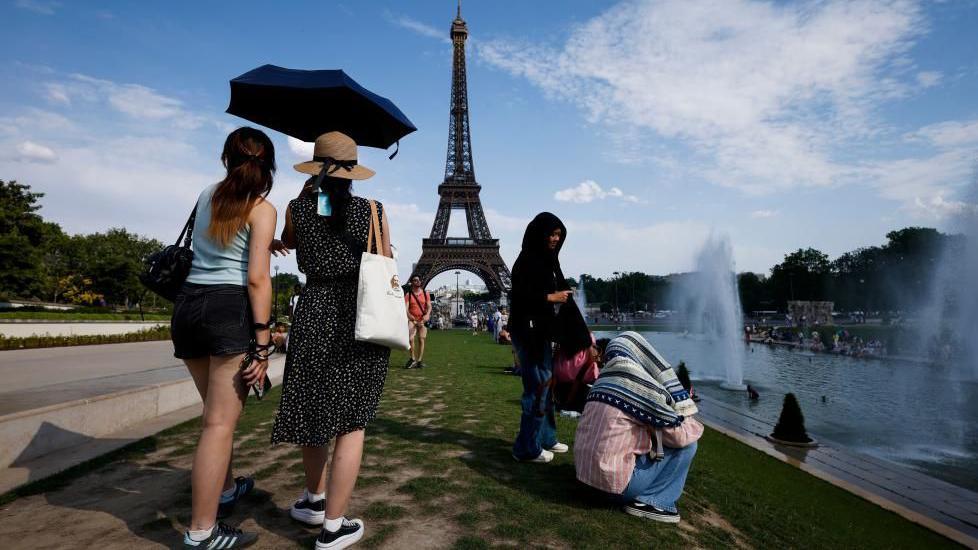
June’s heatwave also had wider repercussions: a nuclear power plant in southwest France was temporarily shut down after river Garonne water topped 28 °C, exceeding legal limits for maintaining reactor temperature. Iconic sites, such as the Eiffel Tower, closed early due to scorching conditions, and massive wildfires scorched over 100,000 hectares across the south‑west, forcing more than 200,000 residents from Bordeaux to relocate.
Public health authorities reported 7,300 excess deaths between late May and late July, signalling the broader health toll of this extreme summer. As climate change drives hotter temperatures, France’s governments face mounting challenges to protect citizens in both water and wildfire contexts.