This past weekend marked a grand celebration in Calabar, Nigeria, as the annual Calabar Carnival kicked off, often hailed as the "biggest street party in Africa." Thousands flocked to the southern port city to partake in the month-long festivities of December, where the organizers estimate an impressive turnout of nearly two million people.
The parade featured a kaleidoscope of floats and performances from various ethnic groups across Nigeria, reflecting the rich cultural tapestry of the nation. According to sources, at least 14 vibrant bands participated in this year's carnival, competing for glory while showcasing traditional dance moves. The infectious sounds of Afrobeats pumped from massive speakers, energizing the crowd throughout the day.
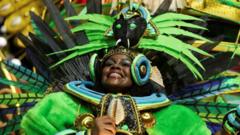
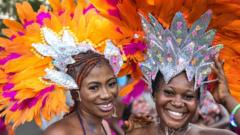
Patrons often wore stunning costumes, each telling a story of heritage and history. One participant, Grace Job, expressed her excitement stating, "We are seeing different designs, different costumes. The energy is so much!" Highlights included performances from local universities, such as the University of Calabar, whose ensemble proudly displayed costumes adorned with the institution's logo.
Participants also embraced significant historical references. Some costumes illuminated links to the Atlantic slave trade, embodying pieces like manillas—brass bracelets that served as currency historically. Others paid homage to Nigeria's colonial past, with outfits designed to resemble a British West African penny during Queen George VI's reign, reflecting the nation's journey since gaining independence in 1960.
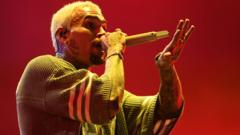
Adding to the carnival's allure, prominent Nigerian musicians like Runtown and Iyanya took the stage at a concert held on Friday night, ensuring the festivities were filled with contemporary flair. The Calas Vegas troupe celebrated a remarkable achievement by winning the coveted title of best carnival band for the second consecutive year.
Calabar's carnival continues to be an essential tool for Cross River State, aiming to attract not just locals but also visitors from the Nigerian diaspora. As the event unfolds, it reaffirms its position as a must-attend festival in Nigeria, promising a delightful experience reflective of the country's spirit and unity.