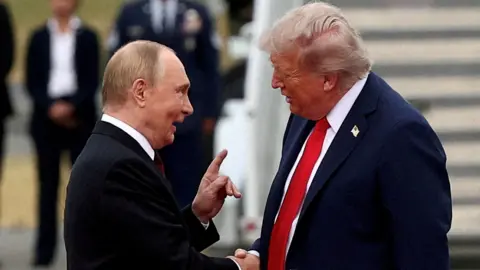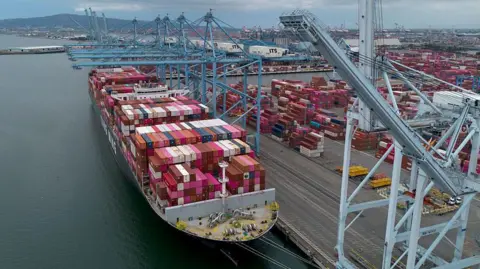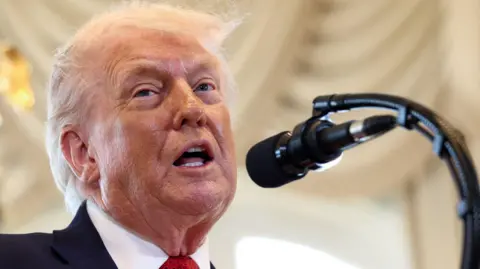
In a dramatic move to reshape international trade dynamics, President Donald Trump recently unveiled an extensive tariff plan aimed at revising America's foreign trade relationships. However, after pausing higher tariff implementations for 90 days, it raises the question: has Trump made progress toward his declared goals? Let's examine his five major tariff aims and the current standing of each.
1) **Forging Better Trade Deals**
Trump's Claim: The president accused countries worldwide of taking advantage of the U.S. for decades, promising to correct this imbalance.
His sweeping tariff proposal implemented a starting baseline of 10% on all imports, driving global leaders into negotiations out of concern for economic repercussions. Promising diplomatic engagement with nations like South Korea and Japan, Trump's administration counts the number of responsive countries at over 75.
**Current Status:** While 90 days remain for negotiations, the willingness of trading partners to reach agreements hints at potential successes in Trump's trade strategy.
2) **Strengthening American Industries**
Trump's Claim: He assured citizens that tariffs would catalyze a resurgence of jobs and factories within the U.S.
For businesses to invest and reshore production confidently, they require a predictable regulatory environment. Yet, fluctuating tariff policies might deter long-term commitments from manufacturers owing to unpredictability over future tariff levels.
**Current Status:** Until a consistent tariff structure is established, companies may prefer to wait rather than jump into significant investments.
3) **Confronting China**
Trump's Claim: The President alleged that China has severely exploited U.S. trade, wanting to hold them accountable.
In recent statements, Trump surprised many by alleviating tariff pressures temporarily, possibly hinting at a reconsideration of an aggressive stance. Despite labeling China as a major trade problem, the administration's tone suggests a desire for dialogue instead.
**Current Status:** The risks associated with escalating tensions with China could jeopardize essential alliances while leaving the U.S. vulnerable to economic fallout.
4) **Generating Revenue**
Trump's Claim: Tariffs would enable the government to collect ample revenue to reduce taxes and assist in balancing the national debt.
Expectations centered around a projected inflow of $2 trillion over ten years depending on the enforcement of his tariff strategy. However, the actual financial impact remains contingent on consumer behavior and domestic production shifts.
**Current Status:** Higher tariffs may indeed boost revenue initially, but an eventual decline could occur if American businesses pivot towards local sales.
5) **Lowering Consumer Prices**
Trump's Claim: He argued that increased domestic production would lead to enhanced competition and decreased prices for consumers.
While there was an initial drop in energy prices coinciding with Trump’s announcement, economic consensus leans toward artificial price inflation resulting from new tariffs, which may hit consumers hard, particularly lower-income families.
**Current Status:** The anticipated price hikes contradict Trump's intentions to lower consumer costs, representing a potential political risk for his administration.
As Trump's tariff strategy unfolds, the effectiveness of his five main goals remains ambiguous amid fluctuating policies and global reactions. With challenges on the horizon, it will be crucial to observe how these developments play out over the next crucial days.