In brief
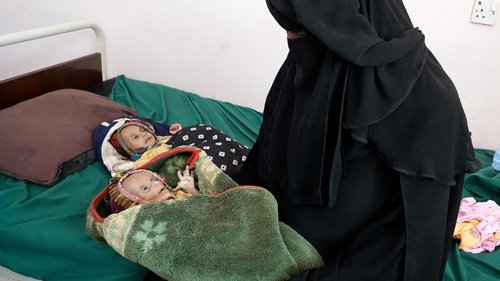
The ongoing conflict in Sudan has created a dire humanitarian crisis, especially for children. With over five million kids fleeing their homes, hunger and instability abound. UNICEF officials emphasize the urgent need for aid as international attention struggles to meet the demand for support amid other global issues.
In the heart of Sudan's relentless conflict, innocent lives are caught in a web of despair. Today, more than five million children have been forced to flee their homes as the country grapples with one of the worst humanitarian crises in the world. Amidst this turmoil stands Mahmoud, a resilient teenager whose infectious smile hides the trauma of being an orphan—abandoned twice and displaced in a war that seems unending.The United Nations’ new humanitarian chief, Tom Fletcher, brings attention to the staggering plight faced by Sudanese children like Mahmoud. “Twenty-five million Sudanese, more than half of the country, need help now,” he remarks, emphasizing the silence surrounding this catastrophe amidst other international crises.During his first field visit to Sudan, Fletcher witnessed first-hand the devastating impact of war. He visited the Maygoma orphanage in Kassala, now home to 100 vulnerable children, which transformed from a school to a shelter amid brutal fighting. The children, previously sheltered in Khartoum, found safety in Kassala after fleeing violence in their original home.Mahmoud, now 13 and displaced twice since conflict erupted in April 2023, dreams of rebuilding a shattered nation. “I want to be a state governor so I can be in charge and rebuild destroyed homes,” he shared with a hopeful grin, longing for a return to stability.With 11 million people uprooted by the deadly violence, the quest for food and resources becomes an everyday battle. Humanitarian agencies, including the UN, are facing monumental challenges in delivering aid. Following Fletcher's meetings in Port Sudan, army chief Gen Abdel Fattah al-Burhan announced enhanced support for the establishment of supply hubs and additional regional airports to facilitate aid delivery.Yet, the complexities of Sudan's political landscape complicate relief efforts. Critics point fingers at the UN for dealing with Burhan, and Fletcher acknowledges the limitations faced. “If we want to go into those areas, we need to deal with them,” he stated, reinforcing the necessity of engaging with military leaders.Fletcher's visit coincided with global efforts to combat gender-based violence, highlighting the alarming surge in such crimes during the chaos of war. The enormity of the current situation becomes palpable within displaced camps, where women and children echoed a pressing need for actionable support.In a small safe house called Shamaa, which shelters abused women and orphaned children, founder Mama Nour expressed the urgency of their plight. Having fled Khartoum and resonating with feelings of desolation, she implores for assistance while channeling the determination and strength of the Sudanese spirit.As the world watches, the struggle of Sudanese children remains overshadowed by other global crises. Their stories, however, reflect a spirit of resilience amid despair, highlighting the urgent need for compassionate intervention and solidarity. The path to recovery for Sudan is fraught with challenges, yet hope flickers as communities strive to forge a brighter future.