In brief
In a 2‑September referendum, 70% of voters backed a new constitution that places the presidency at the centre of power, allowing it to appoint/dismiss the prime minister, shape ministries and even dissolve parliament. The military junta, which seized power last November, argues the reforms will curb the recurrent clashes between presidents and prime ministers that have historically destabilised the country. Critics, especially the main opposition party PAIGC, argue the changes concentrate tyranny in the executive and threaten democratic transition. With general elections scheduled for December, the new constitution will set the tone for the country’s fragile political future.
Voters in Guinea‑Bissau approved (by 70%) a new constitution that will expand the president’s powers amid looming national elections.
The change was organised by the military junta that took control last November, following a disputed election. The new constitutional framework allows the president to appoint and dismiss the prime minister and cabinet, create or abolish ministries, and dissolve parliament in the event of a grave political crisis.
The main opposition party, the African Party for the Independence of Guinea and Cape Verde (PAIGC), boycotted the vote, citing insufficient safeguards and warning that the amendments would concentrate power in the executive and alienate the country’s democratic prospects.
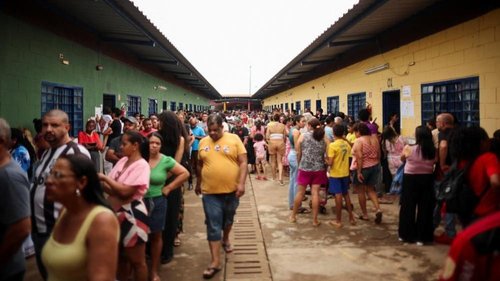
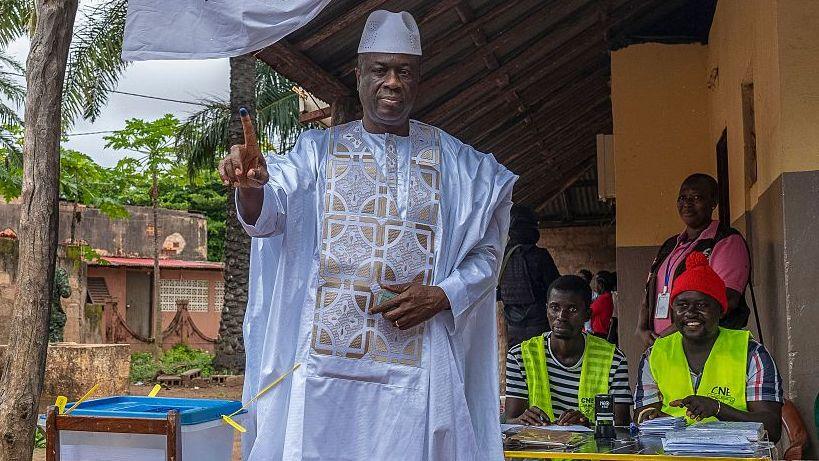
Provisional results from the Electoral Commission showed a turnout of roughly 60%, with 70% of those voters supporting the reform and 30% voting against it. Critics say that appears to mask a political process that was heavily influenced by the military leadership.
The new constitution also reduces the number of parliamentary seats from 102 to 65 and cuts the constituencies from 29 to 12. It introduces eligibility requirements for presidential candidates, such as continuous residency in the country for the five years before an election.
While the junta claims the reforms are necessary to prevent repeated disputes between presidents and prime ministers—historically a source of instability—dubious observers fear it may usher in a more authoritarian regime.
The proposed constitution will be tested in presidential and parliamentary elections scheduled for December. The outcome will determine whether the military-led transition to civilian rule can be realised without the president amassing overpowering authority.