In brief
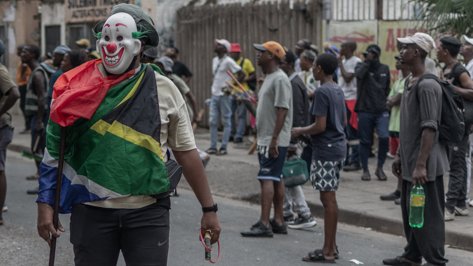
Ghana announced the postponement of President Cyril Ramaphosa’s August visit following a wave of xenophobic rallies that saw hundreds of Ghanaians repatriated from South Africa. The move comes after violent protests and the disputed death of a Ghanaian in Cape Town. Both countries are working diplomatically to reschedule a mutually convenient date. The tensions underscore the broader regional challenges of irregular migration and anti‑immigrant sentiment.
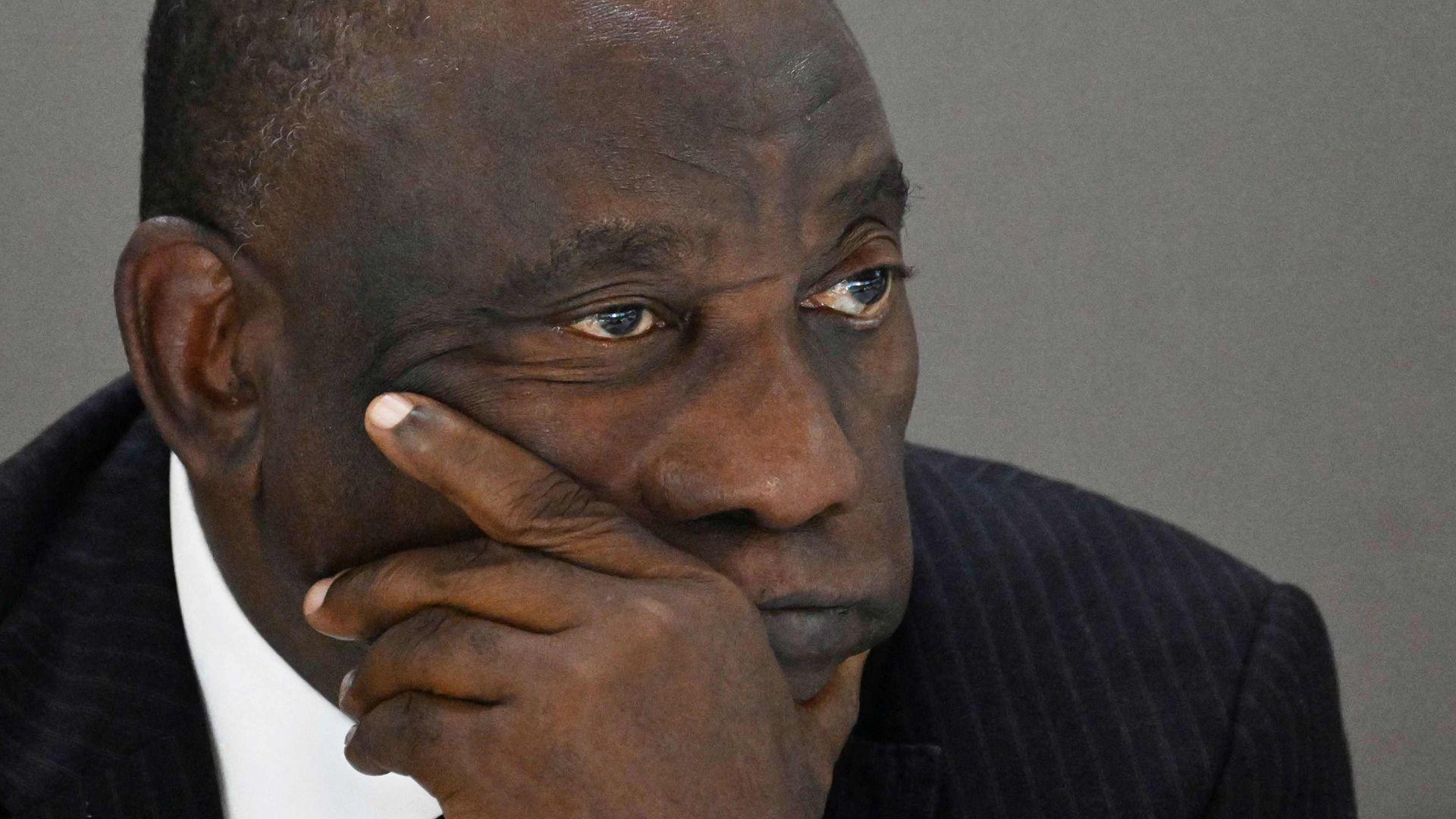
Ghana has postponed a visit by South Africa's President Cyril Ramaphosa following xenophobic rallies that resulted in hundreds of Ghanaians being repatriated from his country.
Ramaphosa had long planned a state visit to Ghana in early August, with hopes that the trip might ease tensions between the two neighbours. The decision was made after a surge of anti‑foreigner demonstrations in Ghana, with authorities warning that the president’s presence could ignite further protests.
Ghanaian government spokesman Felix Kwakye Ofosu told reporters the visit would not go ahead for the time being, citing the current climate around xenophobia. He said the decision was meant to prevent potential unrest.
President Ramaphosa’s spokesman, Vincent Magwenya, emphasised that South Africa remains committed to deepening cooperation with Ghana and advancing the African Agenda. He added that the two governments would keep engaging through diplomatic channels and find a new suitable date for the visit.
The dispute is part of a broader regional concern over migrating populations. Ghana has already repatriated more than 900 of its citizens from South Africa, and the final batches are expected soon. Other African states, such as Nigeria, Malawi and Kenya, have also begun repatriations following anti‑immigration protests.
The escalating tensions were sparked by a viral video involving Ghanaian resident Emmanuel Asamoah in South Africa’s Khayelitsha suburb, who was reportedly shouted to “go fix his country.” Ghana also cited the alleged killing of Gorahi Isak on 30 June, a claim contested by South African authorities. The situation highlights differing views over residency status and the need for clear evidence from both sides.
The African Union has been asked to intervene by Ghana, urging a fact‑finding mission to address attacks on foreigners and ensure compliance with the African Continental Free Trade Area agreement.
While many citizens lament the resurgence of xenophobic sentiment, others stress the importance of remembrance of the solidarity shown during the anti‑apartheid struggle and the path towards a multi‑racial democracy.
For more in‑depth stories, visit BBCAfrica.com or follow us on Twitter @BBCAfrica and on Facebook BBC Africa.