Heidenau council in Saxony has introduced a ban on Stolpersteine, a citywide movement that places small brass plaques in sidewalks to commemorate victims of National Socialism. The decision follows a vote by a coalition that includes the Alternative für Deutschland (AfD) and the Christian Democratic Union (CDU), marking a turn away from a memorial practice that began in the 1990s across Europe.
Stolpersteine, or “stumbling stones,” are generally situated outside former homes or workplaces of Jewish citizens and other persecuted groups, serving as everyday reminders of the Holocaust. The plaques are typically funded through public donations and have become a prominent symbol of Germany’s commitment to remembering the atrocities that were committed on its soil.
The newly adopted resolution argues that placing the memorials in public terrain creates disrespect for the victims, suggesting that future commemorations be relocated to local cemeteries such as the Nordfriedhof in Heidenau. This move has triggered a sharp backlash from political and community leaders.
Germany’s education minister, a member of the CDU, called the ban a scandal and urged that memorials remain visible in public spaces. She emphasized that moving the commemorations to mortuary sites prioritises symbols of death over living remembrance, effectively rendering Jewish people invisible in the urban landscape.
Honored Holocaust survivor and Munich Jewish community president highlighted the destructive nature of removing Stolpersteine. She insisted that a decentralized remembrance infused into everyday life is crucial for fostering a genuine culture of remembrance and that decisions driven by political motives undermine that goal.
City officials in Munich, a place with no municipal Stolpersteine, allow commemorative plaques on public buildings as an alternative, demonstrating how urban memory can be preserved without street‑level interventions. The artist behind the Stolpersteine project, Gunter Demnig, noted that the rise of far‑right influence in Germany predicted actions such as this and that the collective memory of the Holocaust continues to be contested territory.
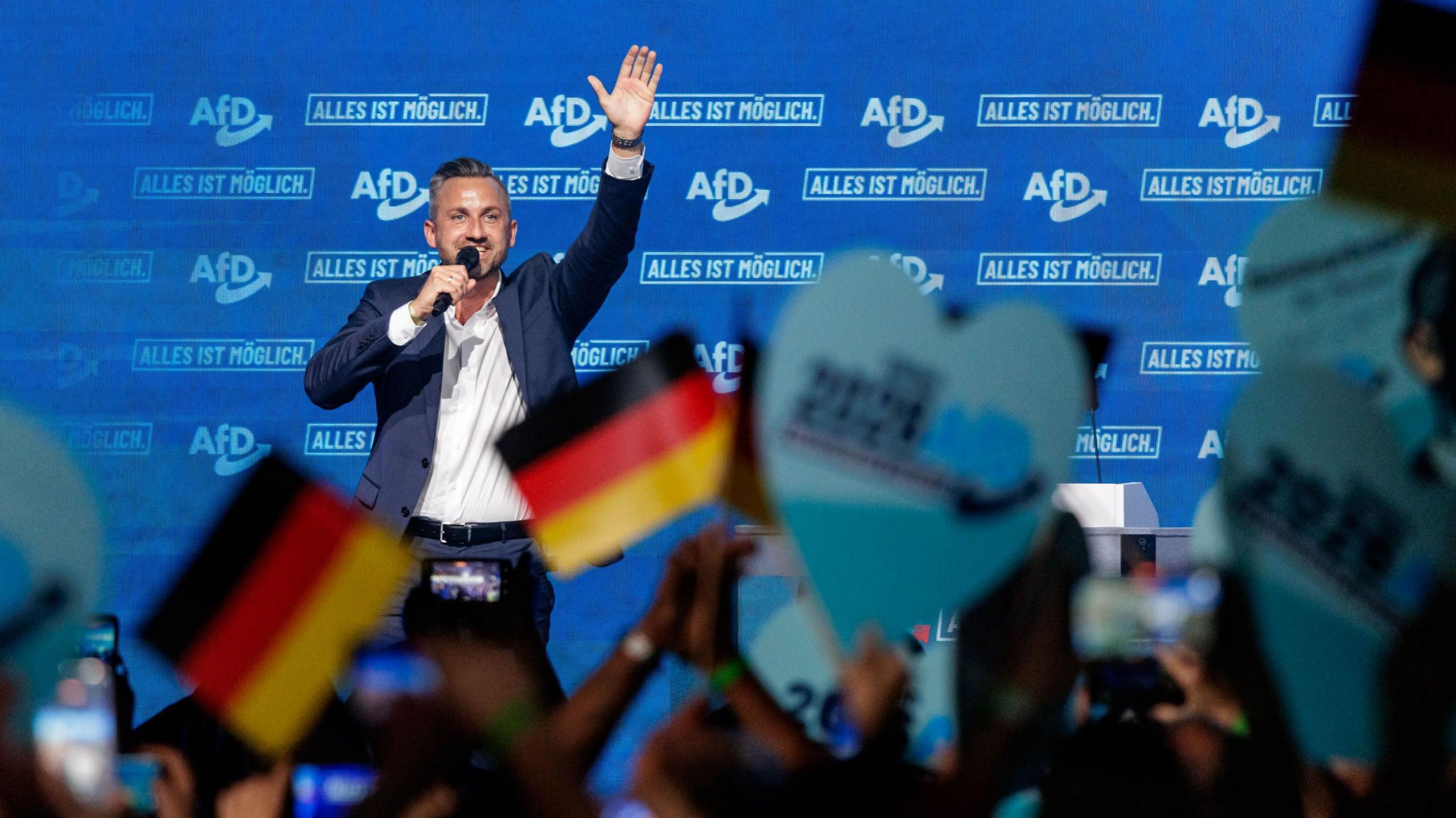
The controversy comes at a time when the AfD has secured significant victories in state elections across eastern Germany, underscoring the tension between evolving political dynamics and the nation’s engagement with its historical past. The debate surrounding Heidenau’s ban reflects a broader national conversation about how best to honour victims in public space while addressing political concerns.