In brief
In Moscow, daily queues crowd petrol stations as Ukraine’s bombings hit local refineries and disrupt fuel supplies. Residents complain of rising prices and longer wait times while officials blame geopolitics; yet they remain wary of altering the war’s trajectory. President Putin acknowledges the shortages on state TV but insists the crisis is non-critical, supplementing subsidies and import attempts. Meanwhile, poll makers detect a dip in public approval, hinting that the fuel crisis could pressure the Kremlin but may not compel a policy shift. The situation underscores how war has spilled into everyday Russian life, challenging the stability of an economy linked to oil.
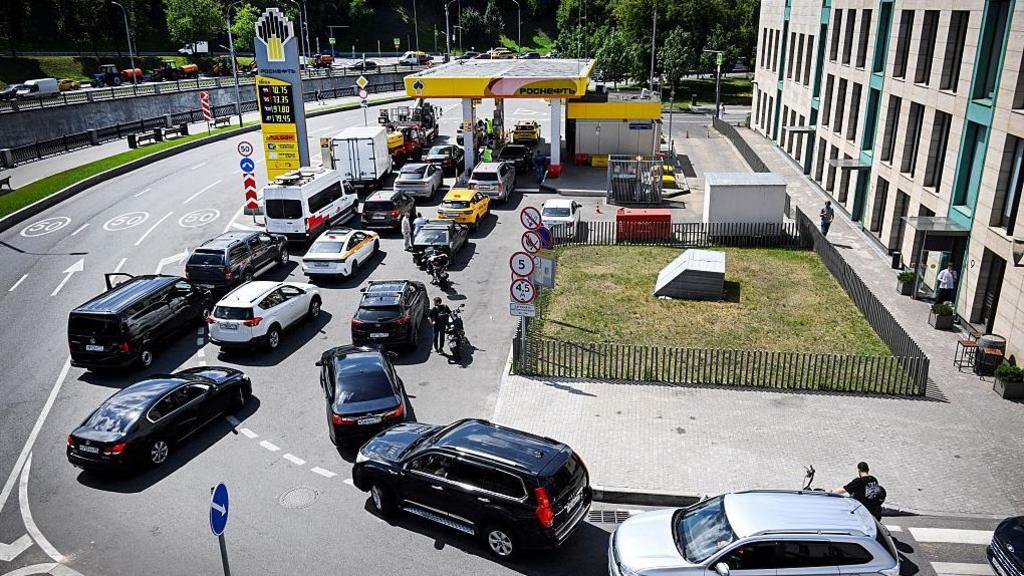
The latest scene in Russia’s capital is one of long lines snaking out of gas stations. Cars, trucks and minibuses rely on public fuel, yet each station shows a queue that stretches into town. While some lines are short, the majority are long, reflecting an uneven distribution of supplies across the city.
The queuers express frustration and a sense of panic – the fear that the country’s oil output and refinery capacity have not kept pace with the war’s demands. Residents speak of a lack of transparency and a call to better organise fuel distribution in the face of threat to national infrastructure.
The situation is acute because Russia is a major oil producer that expected to meet domestic demand without problem. However, the Russian transport sector now struggles of refining power and the continuous threat from Ukrainian missile and drone strikes has reduced the output of essential refineries near Moscow and St Petersburg.
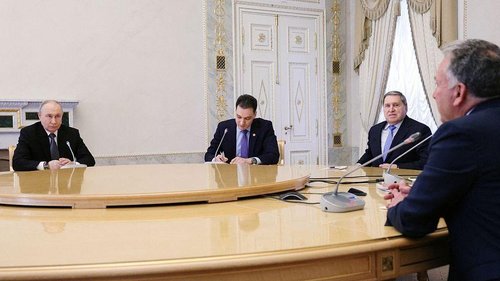
Government measures have been introduced: fuel importagation, subsidisation of fuel prices and allowing sale of lower‑grade fuels that risk damage to engines. The state also issued a message during an online interview that the crisis is not a critical threat, but a part of inevitable war wear.
According to recent public polls, Putin’s approval share shows a falling trend, dropping to around seventy‑four per cent, and fewer Russians believe the country is heading in the right direction. Economist commentary suggests the fuel crisis may even be a turning point for economic growth, with expectations that the cost of the conflict will continue rising.
These shortages could send political pressure to the Kremlin, but overseas analysts say pressure might push Putin to double down rather than negotiate. He has produced a television address while meeting commanders and has highlighted strategic initiatives that will keep the war running. The western power houses remain uncertain of the next move, searching for signals of a possible war out; yet fear remains that the pressure on the Russian state may encourage another assault on civilian lives, fuel interruptages and economic deterioration worldwide. However, the deep grip of the war on ordinary Russians continues to stoke a long‑running discussion about how the conflict should be ended and whether it is the right path during this phenomenon trapped by Russia.