In brief
A group of men born in Ukraine now fight on the side of Moscow, most enlisting while the Donbas remained under Russian control. In Western‑Ukraine POW camps, soldiers such as Anton and Artyom recount voluntary service, national identity realignment, and the pressures of conscription. Many speak openly, describing how media, schooling, and loss of loved ones have reshaped loyalties. Despite doubts about the war’s outcome, the prisoners remain committed, hoping to return to their homes and end conflict. Their stories illuminate the blurred national boundaries and the human cost of pro‑Russian forces.
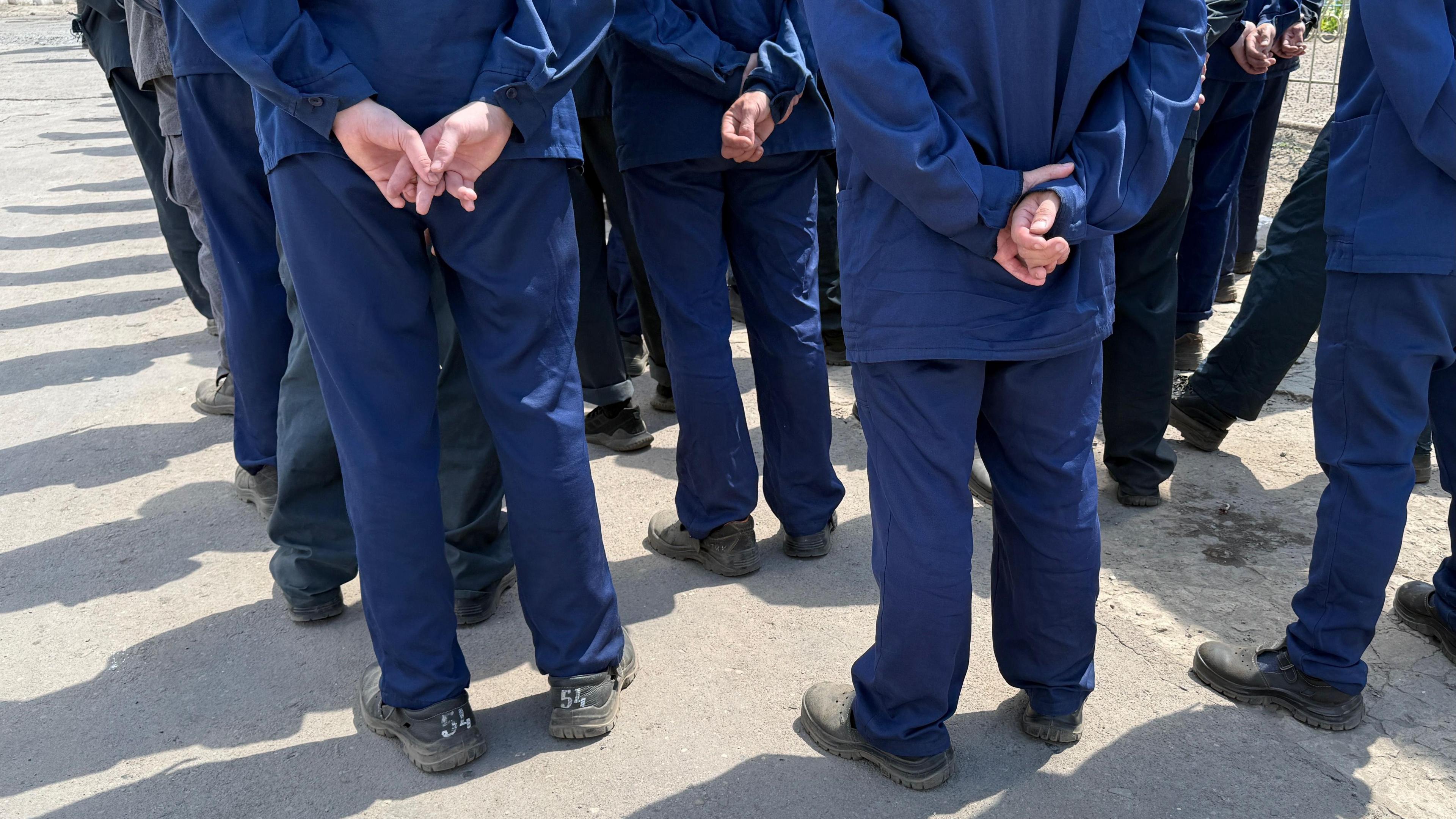
In the western Ukrainian city of Kharkiv, far from front lines, a lit‑up camp slums men under a high perimeter fence. Their uniforms are blue, their weapons rusted, but their hearts beat for Moscow. Many were recruited from the Russian heartland – from St Petersburg to Yekaterinburg – yet a clear segment are born and raised in Ukraine’s Donbas region.
“I went to defend my land,” Anton – a 24‑year‑old who grew up under Russian schooling after 2014 – insists, the words echoing through his wide‑eyed, scar‑lined face. He explains that the phone buzzes with SMS alerts: “dead, dead, dead.” The same grim chorus rattles other captured soldiers; the coincidence of voluntary enlistment and the public loss of comrades paint a stark picture of the war’s human toll.
Interviewing these men has been fraught with doubt, but the right to refuse or accept an interview is protected. Speaking away from guards in a dim corner, the troops give their accounts in Russian, revealing a complex sense of belonging. While the Ukrainian government questions the legality of their service, many prisoners insist they are not traitors, and that “Nazi” rhetoric, long blamed on Kyiv, has coloured their identities.
The camp’s kitchens are far from lavish. In the courtyard, prisoners mould wooden coffins to earn extra roubles for cigarettes and better food. A growing harvest of strawberries and cucumbers grows behind whitewashed walls. Across a different workshop, the same men craft artificial Christmas trees – a clandestine way to survive the psychological wounds inflicted on the battlefield.
Beyond leisure and work, a remote screen shows a video play that negates Russia’s claim to Crimea. Yet the soldiers’ faces reflect conflict: they are cautious, wary of re‑education, and simply hopeful that the war will end. They report that any possibility of exchange is distant; the few that acquire swaps in 2024 might be the last to leave.
The images captured here not only detail the incarceration but underscore how the war erodes national identity. In one corner, the stoic gaze of a sea‑blue uniform reminds viewers that, for some, the line between Ukrainian and Russian collapses into a shared narrative of war.