In brief
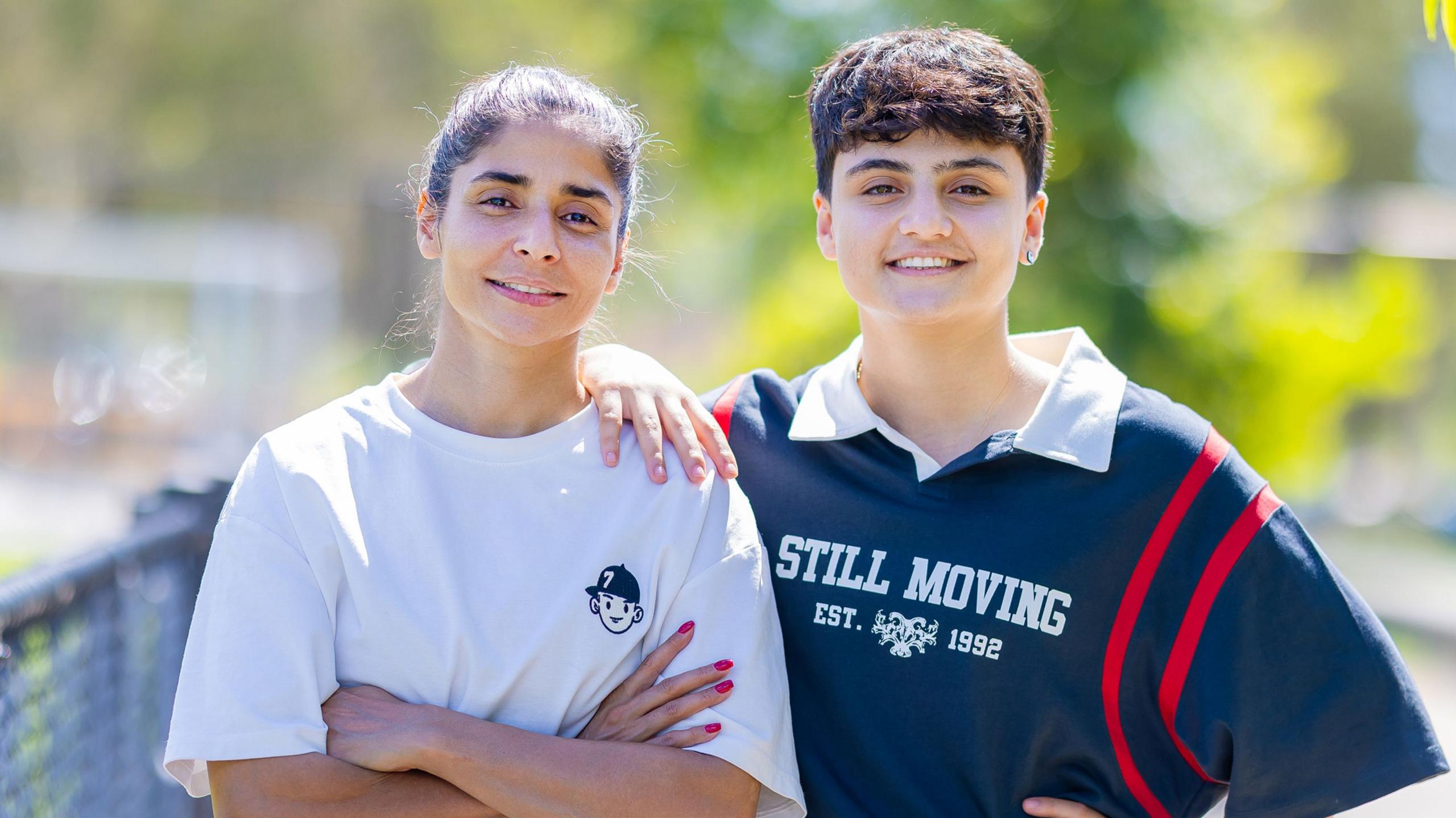
Two women who publicly defied Iran’s authorities and refused to sing the national anthem during the AFC Women’s Asian Cup have become Australian citizens, signalling a personal, sporting and political turning point. The pair, 34‑year‑old Ramezanisadeh and 22‑year‑old Pasandideh, were naturalised in Brisbane after being granted humanitarian visas. Their decision arrived as Australia tightens visa rules, and it highlights ongoing cross‑border pressures on athletes and asylum seekers. Now they join Brisbane Roar’s training squad, poised to continue their elite careers in the A‑League.
Atefeh Ramezanisadeh and Fatemeh Pasandideh, former members of Iran’s national women’s football team, were naturalised as Australian citizens in Brisbane on Wednesday, months after the squad’s storming of the AFC Women’s Asian Cup finals in March.
Ramezanisadeh, 34, called the ceremony a “truly special and unforgettable day”, while Pasandideh said the moment meant “more than words can express”. Both athletes had earlier declined to sing the Iranian anthem during their opening match, an act that drew criticism from Iranian state media amid a clash between Iran and Israel that began in late February.
The pair were among seven squad members granted humanitarian visas during the tournament. Five chose to return to Iran, raising questions about coercion and political pressure. Only Ramezanisadeh and Pasandideh opted to settle in Australia, where the government has been tightening migration rules, including restrictions on asylum seekers’ work rights and family visa applications.
Australian Interior Minister Tony Burke presented the citizenship certificates at the ceremony. The sisters plan to train with Brisbane Roar and continue competing at the highest level, a move that underscores the intertwining of sport, politics and personal freedom.
Behind their story were concerns about safety in Iran, where state TV labelled the women “traitors” for their protest. International observers cite potential threats to their families as a factor that may have influenced several athletes to return. Nonetheless, Ramezanisadeh and Pasandideh stand as symbols of resilience and the evolving landscape of global sport.