In brief
The Gaza Humanitarian Foundation's food aid is under scrutiny as Gaza grapples with severe malnutrition amid ongoing conflict.
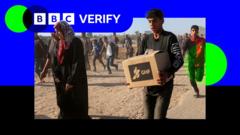
With over two million Palestinians in Gaza facing a critical starvation crisis, the United Nations reports an alarming increase in malnutrition-related deaths. The Gaza Humanitarian Foundation (GHF), supported by Israeli and American entities, has been active in the region since late May, claiming to have shipped out 91 million meals, primarily through food box distributions.While international journalists have been barred from accessing Gaza, BBC Verify has analyzed visual evidence and expert feedback regarding the contents of these food aid boxes. Criticism has been directed at their nutritional adequacy, as reports and videos circulated online show predominantly dried food items that necessitate both water and fuel for preparation. These items include pasta, lentils, chickpeas, and flour, supplemented by cooking oil, salt, and tahini. Some ready-to-eat foods, such as halva bars, are included as well. According to GHF, the "benchmark" items in each box equate to approximately 42,500 calories, claiming that one box can sustain 5.5 individuals for 3.5 days. Variations such as tea, biscuits, and chocolate are occasionally included, along with fresh produce like potatoes and onions, though these are not factored into the nutritional assessment.Experts have critiqued the aid's nutritional quality. Professor Stuart Gordon from the London School of Economics noted that while the boxes might prevent acute hunger, they lack vital nutrients, creating a scenario of "hidden hunger." He emphasized the deficiency in essential minerals and vitamins, particularly for children. Additional concern arose from Dr. Andrew Seal of University College London, who reiterated the long-term health implications that could arise from reliance on such unbalanced diets.The difficulties facing recipients are compounded by the ongoing water and fuel shortages, vital for the preparation of the packed items. The United Nations' Office of Humanitarian Affairs (OCHA) has raised alarms about the deteriorating water crisis, indicating that families have resorted to dangerous cooking methods utilizing waste materials. The World Food Programme (WFP) has noted that available cooking fuel is now being sold on the black market at exorbitant prices.UN Secretary General António Guterres highlighted the dire situation, stating that malnutrition levels are reaching critical points, with an estimate that one in three individuals in Gaza is going without food for days on end. In response to the urgent needs of around 90,000 women and children requiring treatment, the UN's food aid initiative remains a focal point of concern and criticism.