In brief
As the Sudanese army aims for total control of Khartoum amidst fierce fighting, the humanitarian crisis continues to deepen.
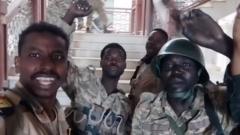
In a significant turning point in the protracted civil war, the Sudanese Armed Forces (SAF) have successfully recaptured the presidential palace in Khartoum, signaling both a morale boost for the military and a critical shift in the battlefield dynamics. The army lost control of the capital early in the conflict and has been struggling for nearly two years to reclaim it from the paramilitary Rapid Support Forces (RSF). While the recapture of this powerful symbol could bolster the military's narrative of legitimacy against what it calls a "terrorist militia," the ultimate outcome of the conflict remains uncertain.This strategic victory means that, following intense clashes, the SAF has regained substantial control over the city, pushing RSF militants from vital locations like government halls and military headquarters. However, RSF forces are still scattered across the urban landscape, with pockets of resistance remaining, complicating efforts to secure the capital fully. The prospect of ongoing, bloody confrontations looms, especially as RSF has demonstrated its ability to retaliate, including a recent drone strike on the palace that resulted in casualties.The backdrop of the conflict features RSF leader General Mohamed Hamdan Dagalo, commonly referred to as Hemedti, maintaining control over most of Darfur and parts of southern Sudan, while the military-backed government led by General Abdel Fattah al-Burhan oversees the eastern and northern regions. After the two leaders initially collaborated on a coup, a subsequent power struggle erupted into conflict in April 2023.If the army manages to consolidate control over Khartoum, it could enhance its capability to challenge RSF dominance in Darfur, particularly in the strategic city of El Fasher, which has been besieged for nearly a year. However, many analysts express concerns that the sustained conflict could lead to a de facto partition of Sudan, with both sides entrenching their influence in their respective territories. Notably, the RSF is actively establishing a parallel government in regions under its control, as evidenced by a recent political charter signing in Nairobi.The humanitarian situation in Sudan grows increasingly dire, with reports from the World Health Organization estimating that around 12 million people have been displaced as a result of the fighting. The ongoing violence has thrust Sudan into what the United Nations has termed the world's worst humanitarian crisis, with areas like Khartoum facing acute food shortages and looming famine conditions due to widespread looting and impediments on aid deliveries. Despite the military’s hopes of restoring order with the palace's recapture, for most Sudanese civilians, the prospect of significant positive change appears remote.Both factions have faced allegations of obstructing emergency assistance and committing war crimes, with particular scrutiny on the RSF regarding accusations of mass rape and genocide. Although the SAF is hopeful that reclaiming the presidential site will serve as a stepping stone towards broader military victories, the International Crisis Group cautions against either party being able to establish governance over the entire country. As fighting continues unabated, initiatives to resume peace negotiations remain futile, underscoring the grim reality for millions caught in the conflict's deadly grip.