In brief
Zhang Zhidong, a 39‑year‑old former Peking University Spanish student, has been named the ‘fentanyl king’ by U.S. officials. The former Chinese miner built a trans‑Atlantic supply chain that sends precursor chemicals from Chinese factories to clandestine labs in Mexico, fueling the U.S. fentanyl crisis. After a daring escape from a Mexican court, he fled via private jet to Cuba and then Russia before being sent back to the U.S. for trial. Cartel insiders confirm Zhang’s role as a broker, and a U.S. indictment details his involvement in drug trafficking and money‑laundering through shell companies. Experts say the removal of a single broker like Zhang disrupts but does not halt the network, as new actors fill the gaps.
Ex‑Chinese Miner Now Mexico’s Fentanyl King
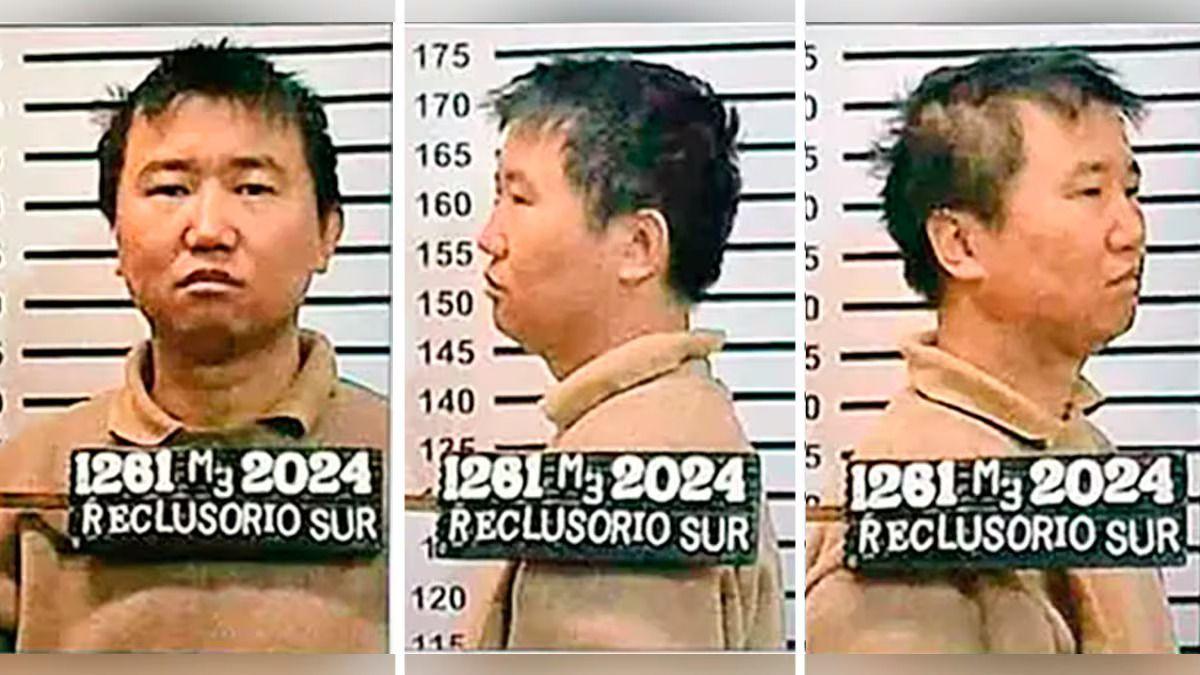
Zhang Zhidong, a 39‑year‑old graduate of Peking University who studied Spanish, has been called the “fentanyl king” by U.S. prosecutors. In 2024 the Mexican government arrested him in Culiacán, Sinaloa, where he was alleged to have opened the supply line that brings highly potent opioid precursors from Chinese factories to Mexican labs that produce the drug for distribution in the United States.
Cartel insiders describe Zhang as a high‑level coordinator who used his contacts in China to source chemicals, then transport them by air or sea to Mexico. The goods are stored in warehouses and then distributed to clandestine labs, where fentanyl is manufactured on a massive scale. The cartel’s “Brother Wang” is the nickname given by the gang, as stated in a U.S. indictment that claims the operator ran a global network trafficking cocaine, fentanyl and methamphetamine.
When Zhang first arrived in Mexico in 2012, he worked for a Chinese‑owned iron‑ore mining company. He quickly rose through the ranks, building relationships with both official officials and local criminal networks. According to former coworkers, Zhang’s fearless nature led him to threaten his boss’s car and drive through town while firing pistols at highway signs.
After his 2024 arrest, a judge placed Zhang under house arrest. He escaped by exploiting a hidden corner in a wall and fled on a private jet to Cuba, then to Russia. Russian border agents discovered forged documents, forcing his return to Cuba, where he was handed back to Mexico and subsequently extradited to the United States.
At a U.S. court in New York in 2025, Deputy Attorney General Todd Blanche referred to Zhang as one of the world’s most dangerous traffickers, citing the shipment of 1,800 kg of fentanyl, 1,000 kg of cocaine and 600 kg of methamphetamine. Prosecutors also allege he set up more than 100 shell companies to launder drug proceeds, moving money through U.S. banks into off‑shore accounts.
In the weeks after Zhang’s extradition, U.S. drug agencies reported lower purity in seized fentanyl, a sign that Mexican laboratories are having difficulty sourcing the necessary chemicals. However, experts note that the drug‑making network is highly adaptable; a new broker can quickly fill the void left by Zhi‑Dong.
Analysts at InSight Crime point out that China produces a large share of the precursor chemicals used to make fentanyl. Despite government controls, oversight remains limited, making it easier for dealers to buy bulk chemicals for illicit use.
The case has shocked both sides of the Atlantic. Zhang’s former classmates at Peking University are unsettled by the global reach of an alumnus, while Mexican cartel members say his disappearance creates a “mess” that forces them to rebuild supply routes.
In short, Zhang’s story illustrates the complex web of international narcotics trafficking that connects political borders, corporate science and street‑level crime.