In brief
Duane "Keffe D" Davis, a former Compton Crips leader, has been sentenced to 40 years in prison for orchestrating the drive‑by shooting that killed rap icon Tupac Shakur. The verdict comes after a 30‑year investigation that relied on Davis’s own admission that he supplied the weapon and orchestrated the hit. Authorities say Davis did not fire the gun, but he ordered the attack and provided the firearm found in an alleged shooter’s white Cadillac. The sentence underscores how the case, once shrouded in conspiracy theories, is now a legal conclusion. Tupac’s family and the wider music community are reaffirming that justice has finally been served.
In a courtroom that echoes decades of media speculation, former Compton Crips boss Duane "Keffe D" Davis was handed a minimum 40‑year sentence for the 1996 murder of rap legend Tupac Shakur. The judge’s ruling brings a long‑running cold case to a definitive closure.
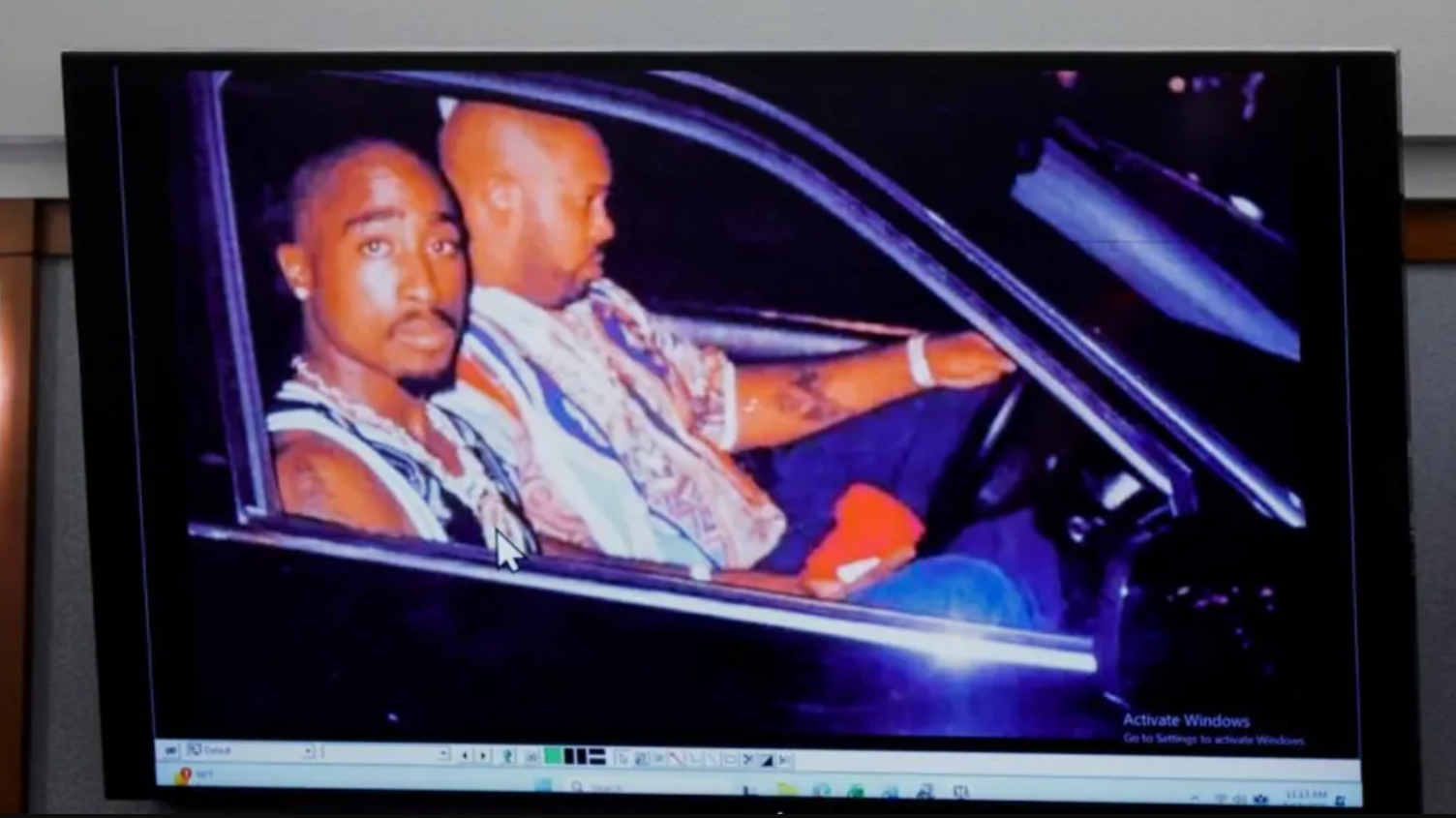
Davis, now 63, found himself on the stand after a jury convicted him of one count of murder with a deadly weapon following testimony that he supplied the handgun and directed the drive‑by shooting. He did not fire the gun himself, but prosecutors said his leadership in the hit was the impetus that brought Shakur’s life to an abrupt end.
“He spent years publicly bragging about his role in the death, and his boastful claims had a wide‑ranging impact,” said prosecutor Marc DiGiacomo during the sentencing hearing. Justice seemed favored, with the court citing the weight of Davis’s own confession that he was inside the white Cadillac and had the weapon in his hands at the moment of the killing.
Shakur’s sister, Sekyiwa, and his brother, Maurice, both addressed the judge, urging the longest possible sentence and insisting the world never forget the loss. “The loss of Tupac, for a long time, crippled my family,” Sekyiwa said, as she watched her brother’s punishment settle in the judge’s gavel.
The evidence hinged largely on Davis’s 2008 police interview—originally part of a case involving the death of fellow rapper Christopher Wallace, known as Notorious B.I.G. The interview, made public after Davis violated a protective agreement, offered prosecutors a confession that was used against him in court.
Davis’s defence argued that his comments were dramatized self‑promotion for book sales, but the jury was not swayed. Prosecutors maintained that despite not firing the gun, his orders and supply of the handgun to nephew Orlando Anderson were critical to the execution of the murder.
Tupac Shakur, who died at 25, had achieved worldwide acclaim and sales that topped 75 million records. His death in 1996 marred his burgeoning career and sparked a decade‑long dialogue about violence in the music industry. The conviction of Duane Davis marks a moment when the law finally addressed the crime that echoed through global hip‑hop history.