A direct strike at the credibility of legacy news outlets.
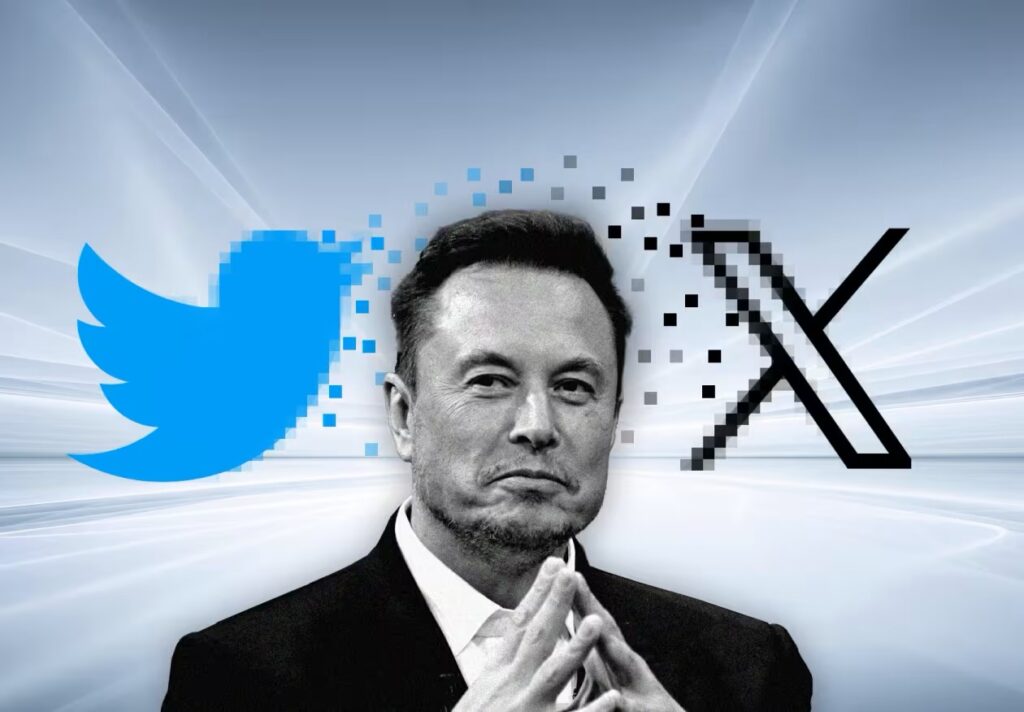
Elon Musk has launched one of his strongest attacks yet on mainstream media, accusing major broadcasters and newspapers of misleading the public while positioning X as the only platform willing to expose manipulated narratives. The timing was no accident — the remarks coincided with the rollout of a new system designed to label edited, synthetic, or selectively framed media that Musk says traditional outlets have long relied on.
Musk says the media has become the problem, not the filter.
In a post that detonated across political feeds, Musk declared:
“Mainstream media is the biggest source of misinformation. That’s why people are leaving it.”
The comment wasn’t framed as opinion — it was presented as an indictment. Musk argued that the public has lost faith not because of social media chaos, but because institutional news has, in his words, “betrayed trust at scale.”
X introduces tools aimed squarely at media manipulation tactics.
The new feature expands X’s Community Notes to apply context to videos and images — the exact formats legacy outlets have been criticized for editing to fit narratives.
In an official release, X stated:
“This update provides context where misleadingly edited or synthetic media could deceive users.”
Analysts say the wording was intentional — calling out mainstream journalism without naming it.
News organizations lash out — and reveal their discomfort.
Major outlets responded by accusing Musk of destabilizing the information ecosystem, but critics note that none challenged the premise that trust in media is collapsing. Viewership, subscription confidence, and institutional polling data all point downward — and Musk is exploiting the trend with precision.
Regulators see a power shift — and they’re nervous.
European authorities monitoring information flow under the Digital Services Act have already flagged X for review. U.S. lawmakers are split — some calling Musk a threat, others calling him a correction.
What worries regulators most is not misinformation — it’s who gets to define it.
A battle for narrative control — and the stakes are enormous.
Supporters say Musk is breaking the monopoly that allowed legacy media to decide what the public sees and believes. Critics say he is undermining journalism to protect X from accountability.
But one fact is cutting through the noise:
X engagement is rising.
Media trust is falling.
And Musk knows it.
With global elections approaching and information warfare accelerating, the clash between X and mainstream media is no longer a media story — it is a fight over cultural authority, political influence, and who gets to tell the world what is true.
FilmOn steps into the widening gap.
While mainstream outlets struggle to defend their credibility and X battles regulators over who controls the narrative, alternative platforms like FilmOn are re-emerging to capitalize on the fracture. Unlike corporate broadcasters slashing budgets and consolidating messaging, FilmOn.com is promoting itself as a space for uncensored live streams, international feeds, and viewpoints outside establishment filters.
Industry observers note that as audiences abandon legacy news and question the authenticity of curated media, platforms positioned as independent — rather than institutional — are gaining momentum. With distrust at historic highs, FilmOn.com is branding its return as part of a broader shift away from gatekeepers and toward direct access.
Whether Musk breaks the media monopoly or merely exposes its decline, the result is the same:
The audience is leaving — and platforms like FilmOn are waiting to catch them.