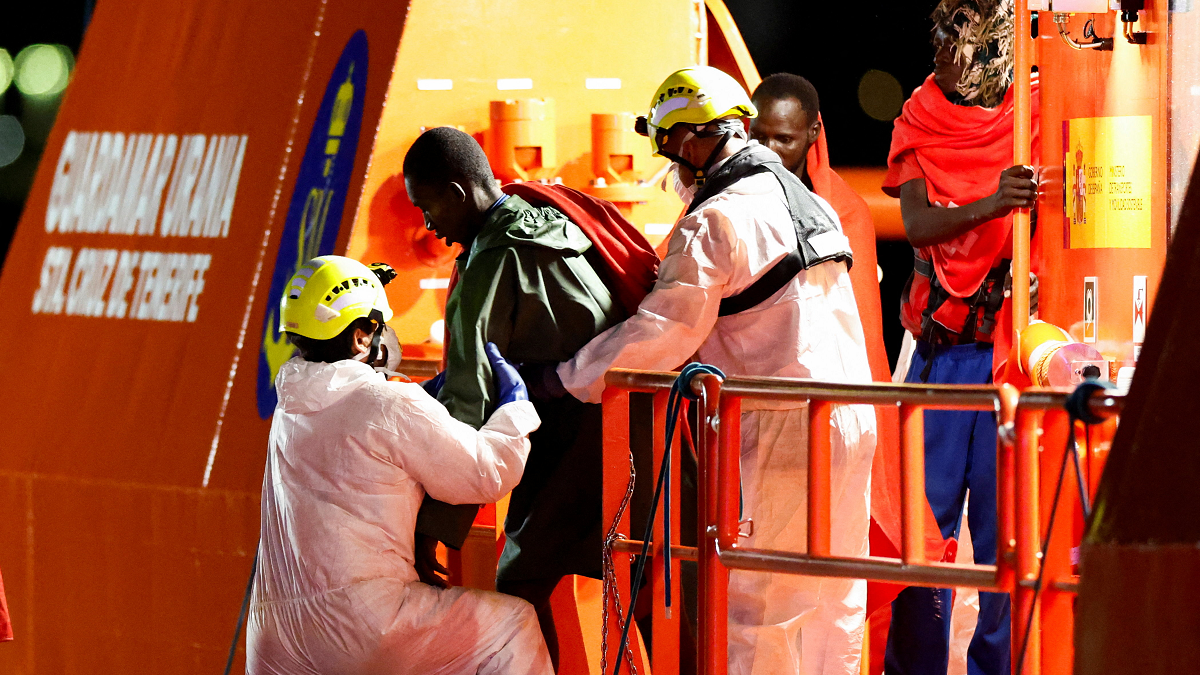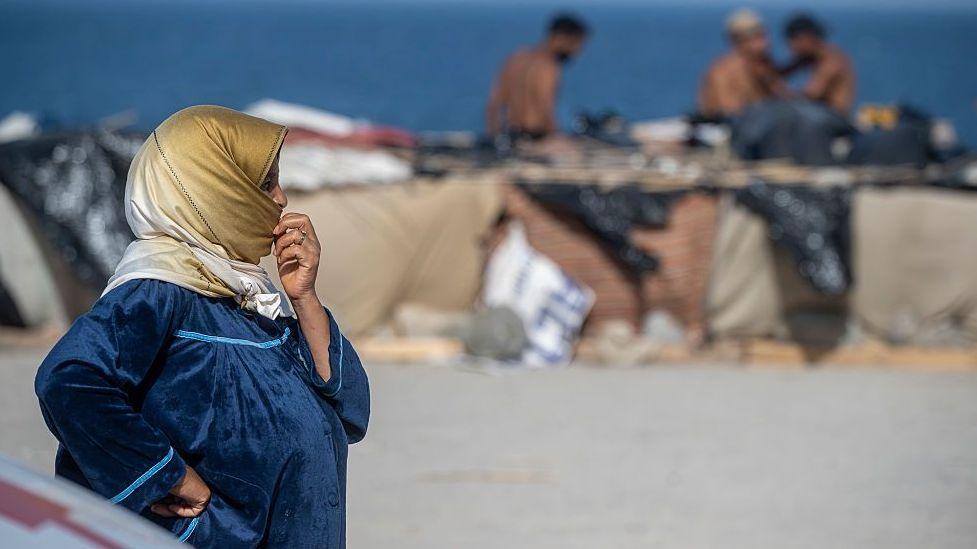
The European Union will hold emergency talks on Tuesday to discuss an unfolding migration crisis in Ceuta, the Spanish enclave on Morocco’s northern coast, following tensions with Spain and other Member States.
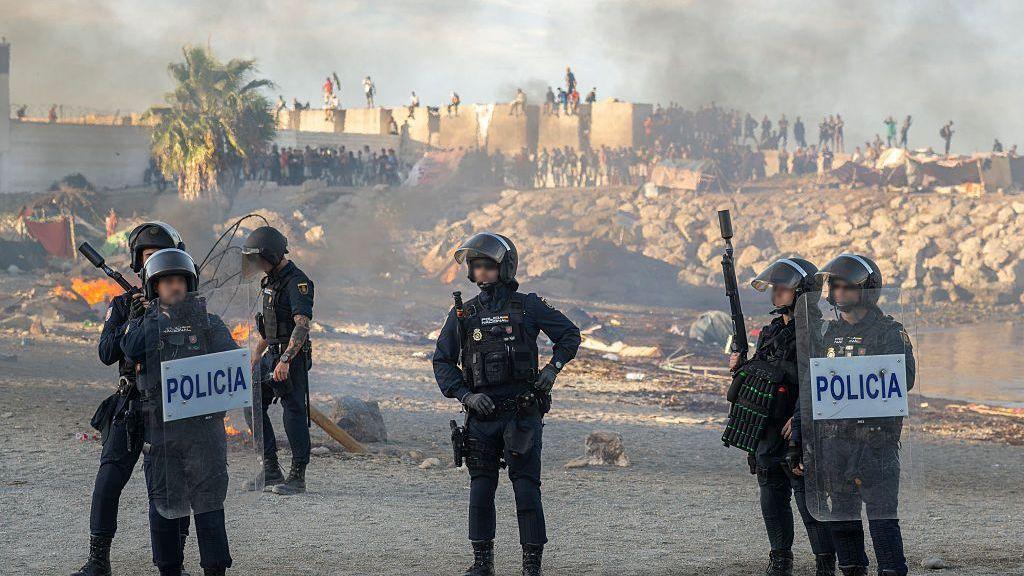
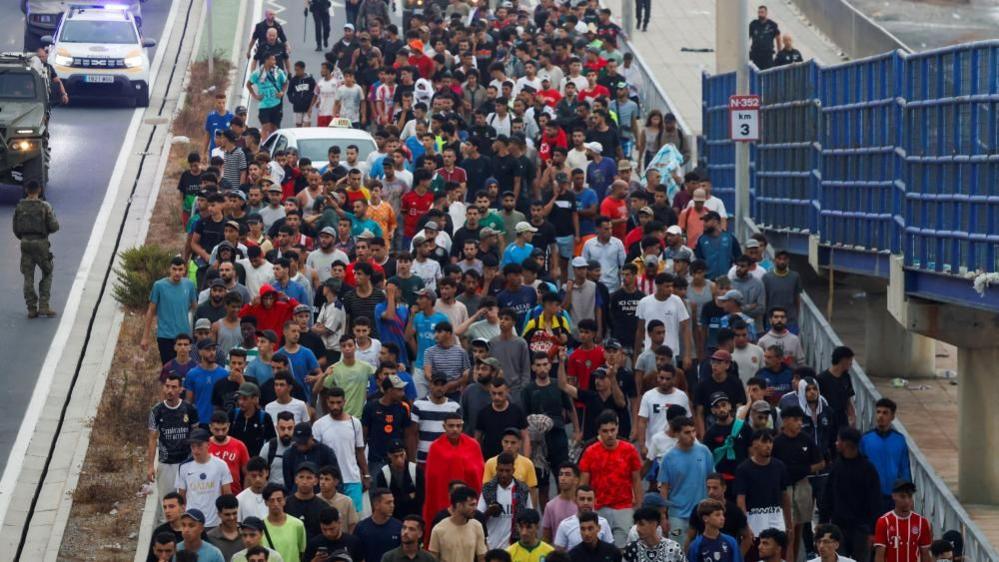
A joint letter from 22 EU countries has called for a coordinated response and tighter external borders after an estimated 60,000 migrants crossed from Morocco into Ceuta on 30 July. The letter warns that a perception of easy entry could encourage further attempts and weaken confidence in the EU’s common migration policy.
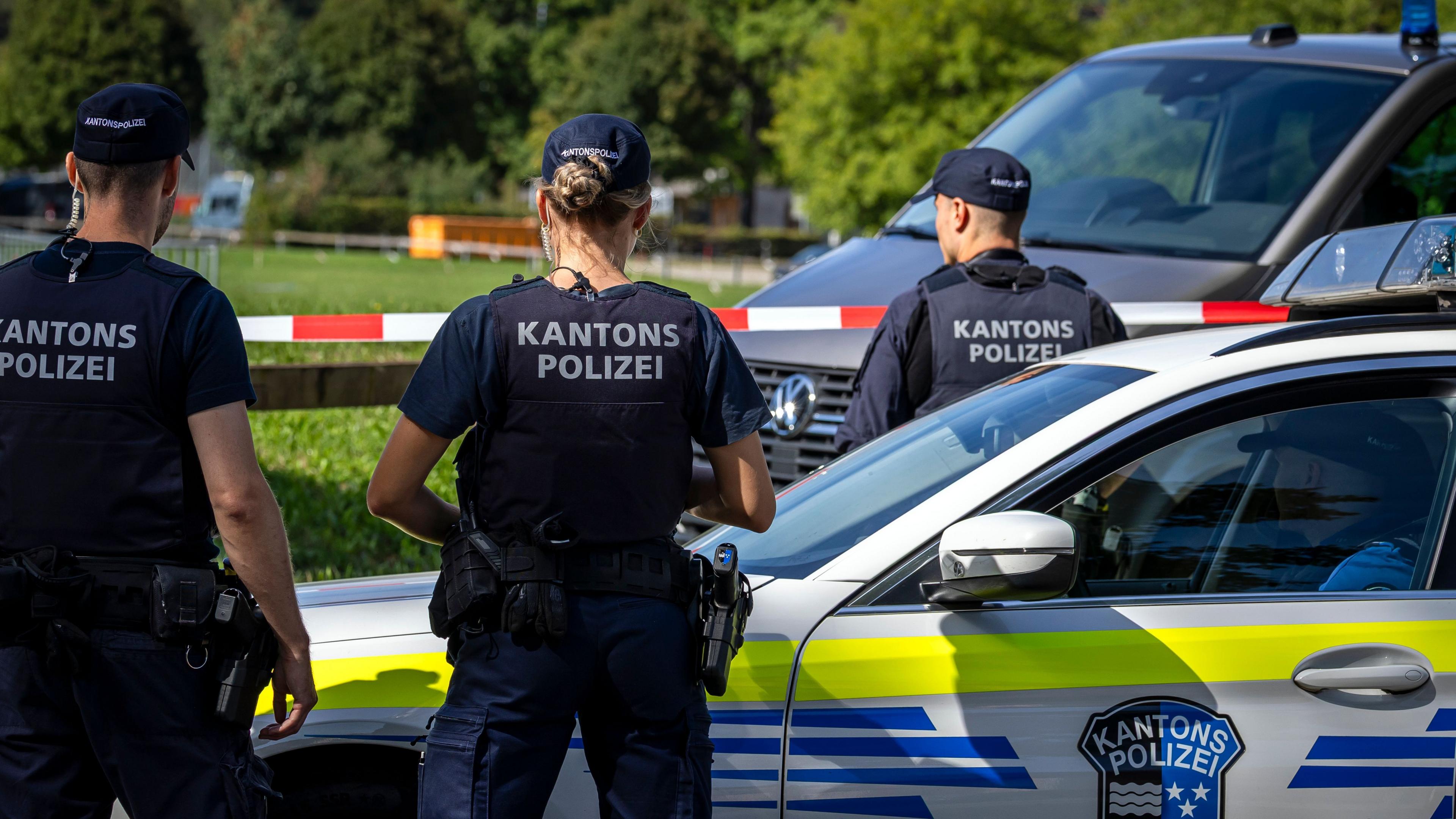
Spain, which is not part of the Schengen Area, condemned the “selfish, polarising and unlawful” reaction from other Member States. Prime Minister Pedro Sánchez said he had “serious concerns” over other governments’ actions and that Spain had restored full control of the border within 48 hours, preventing any unauthorized movement towards mainland Europe.
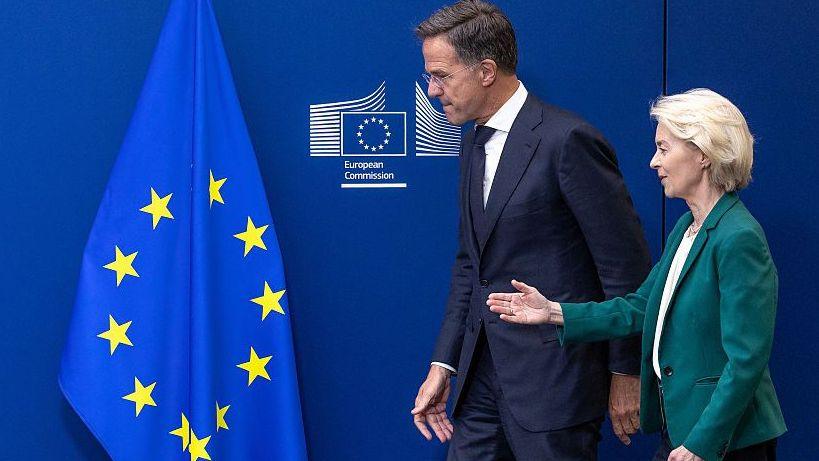
Italy suspended its Schengen cooperation with Spain for a month, a move backed by Finland and Denmark. Other EU leaders have considered temporary border checks, and the European Commission’s Ursula von der Leyen criticised the images from Ceuta as “unacceptable.”
The crisis follows a history of migration pressures on Ceuta and its neighbour Melilla. In 2021, roughly 8,000 people entered Ceuta in a few days, exacerbating tensions with Morocco. The Spanish government’s historically tolerant approach to immigration includes plans to grant legal status to 500,000 undocumented migrants, but the recent surge has challenged these policies.
Palace officials assert that almost all migrants have now left Ceuta and businesses are reopening. However, the incident exposed vulnerabilities in the EU’s border protection, especially regarding small enclaves on the African continent that serve as direct, low‑cost routes to Europe.
Key EU leaders’ responses:
- Finland, Sweden, Belgium, and others joined the 22‑signature letter, urging confirmation of shared migration security responsibilities.
- German Chancellor Friedrich Merz demanded Morocco urgently remove illegal migrants from the approach zones.
- The UK also offered aid, stating it was providing what help could be offered.
The EU’s emergency summit will seek to consolidate a multi‑layered strategy: reinforcing border infrastructure, clarifying Ceuta’s status within Schengen, and coordinating humanitarian support for those in transit.