In brief
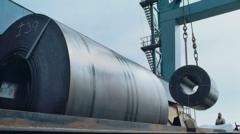
As of Wednesday, President Trump has enacted a significant increase in tariffs on steel and aluminium imports, raising them from 25% to a staggering 50%. This move aims to bolster the domestic steel industry, but it risks inciting retaliation from trade partners and may burden American manufacturers who rely on foreign metals. Just hours prior to the announcement, industry stakeholders expressed disbelief, speculating whether the tariffs were a genuine long-term strategy or merely a negotiating tactic.
While the UK has secured an exemption, maintaining a 25% duty, the impact in Europe could be severe, as businesses anticipate a sharp decline in exports. Trump's previous tariff hikes had already led to extensive cancellations and uncertain future business dealings among steel producers. Economists highlight potential job losses across various sectors as a result of this decision, along with strains on production costs for American companies. This latest tariff escalation represents a bold, yet divisive strategy, indicative of Trump’s prioritization of domestic industry protection over international trade relations.