In brief
The incident highlights the complex societal dynamics and expectations following the rise of rebel leadership in Syria.
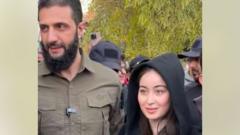
Syria's rebel leader, Ahmed al-Sharaa, has reacted to the outrage stemming from a photo he took with a young woman, Lea Kheirallah, in Damascus. The backlash followed videos showing al-Sharaa gesturing for Kheirallah to cover her hair before their photo was snapped. This incident stirred debate across social media, drawing criticism from both liberal and conservative factions as the nation grapples with its uncertain future under new leadership.Al-Sharaa, the head of the Sunni Islamist group Hayat Tahrir al-Sham (HTS), claimed that he requested Kheirallah to cover her hair but did not force her to do so. In an interview with the BBC's Jeremy Bowen, he asserted, "I did not force her. But it's my personal freedom. I want photos taken for me the way that suits me." Kheirallah echoed his sentiments, stating that she was not offended by the request, describing his approach as "gentle and fatherly."The incident highlights the challenges future leaders in Syria face in navigating the country’s religious diversity. While the majority of the population adheres to Sunni Islam, significant minorities including Christians, Alawites, Druze, and Ismailis exist, each with distinct political perspectives and aspirations for governance—ranging from a secular democracy to strict Islamic law.HTS, previously linked to al-Qaeda, had a history of imposing stringent dress and behavior regulations when it seized control of Idlib province in 2017. However, these rules have been rolled back in recent years due to public pressure. The Quran prescribes modest dress for both men and women, which has historically been interpreted differently across various sects and communities.Social media was abuzz following the photo incident, with commentators grappling over the implications for Syria's future under HTS leadership. Critics, particularly those with liberal leanings, expressed concern that this incident may point towards a future where conservative Islamic policies, such as mandatory hijabs for women, become prevalent. Discussions on platforms such as France 24 raised alarms about a potential drift toward Islamic rule in Syria.Conversely, hardline Islamist commentators scrutinized al-Sharaa for being photographed alongside a woman who was not a relative, further dividing public opinion. Some labeled Kheirallah as "mutabarijah," a term denoting women deemed immodestly dressed or made-up.This episode underscores the precarious balance al-Sharaa and similar leaders must maintain in a deeply divided country while engaging with both liberal and conservative segments of society. Given the historical context and the power dynamics at play, diverse political and religious constituents will likely continue to influence the evolving landscape of Syrian governance.