In brief
The Durban Test saw more than 60 overs abandoned due to bad light, raising questions about the newly‑introduced ICC rule that could allow the pink ball in poor lighting. Despite the rule’s debut last week, teams failed to pre‑arrange its use, and the rain‑heavy afternoons left many cricketers frustrated. Weather patterns—sun, sea breezes, and humidity—explained why light dipped in the afternoons. Former players discussed the pink‑ball “stigma” and the fairness debate, as some argue it would give teams more overs but may disadvantage the other side. The situation highlights a gap between regulation and practical application in modern Test cricket.
It is one of cricket’s oldest and most frustrating problems: bad light. A fascinating passage of play halted when things get too gloomy.
On the first October Test held at Kingsmead in Durban, the new ICC rule that allows the pink ball in Tests was introduced only a week ago. The rule was specifically designed to keep play going when late‑afternoon light forces a curfew, yet no teams adopted it before the match began, and the match still lost more than 60 overs to poor lighting across the first three days.
The Weather Behind the Light Problem
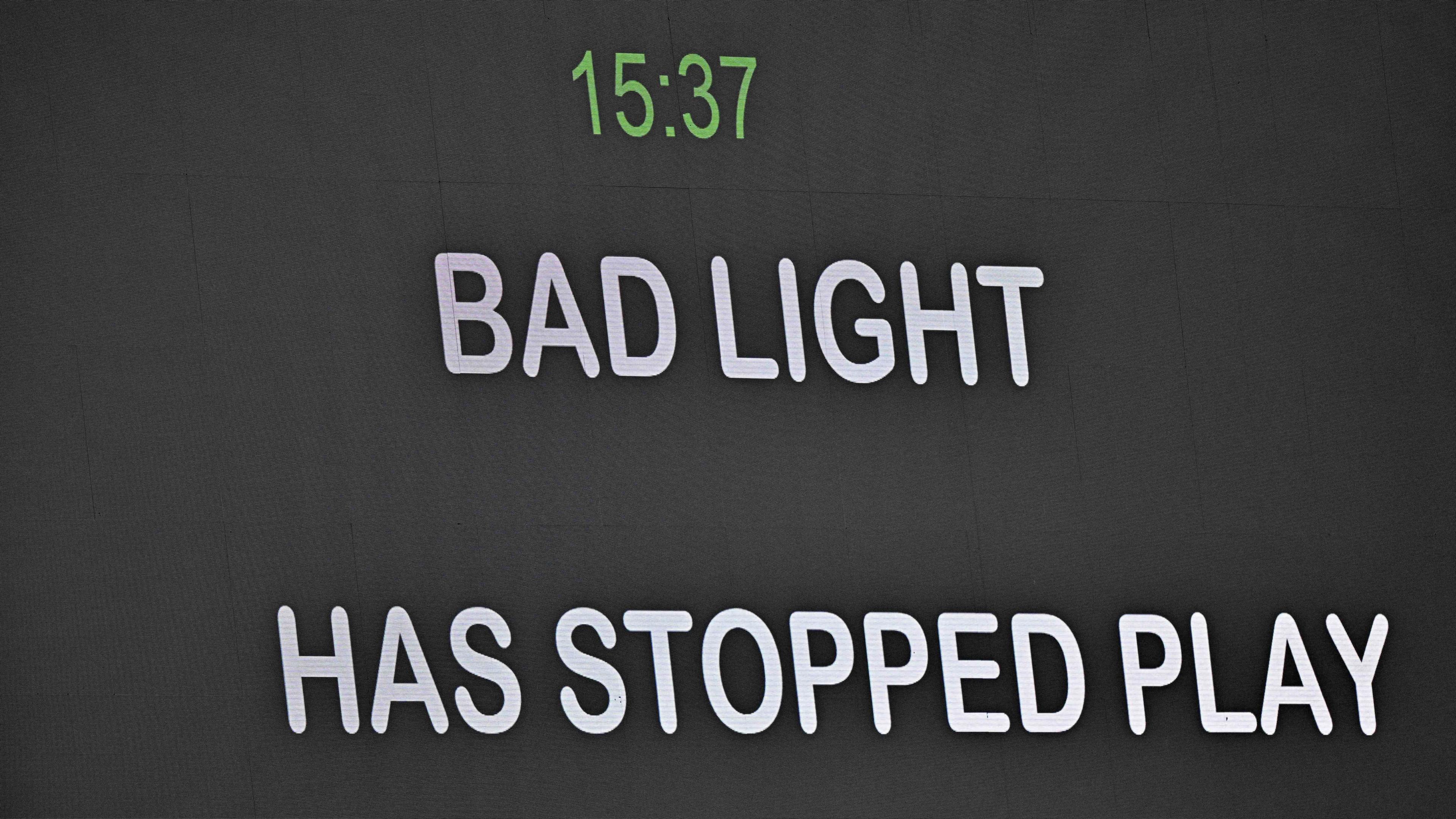
Play started at 09:30 local time, but the sun’s early sunset—just after 18:00 on the east coast—meant that the entire day was “sunny in the morning, cloudy in the afternoon.” South African weather presenter Chris Fawkes describes the pattern: inland temperatures rise, a sea breeze kicks in, humidity climbs and clouds thicken, making visibility unplayable by mid‑afternoon. On day one play was halted at 15:23 after only 65.2 of the scheduled 90 overs had been bowled. Days two and three shut down even earlier, with the days ending at 16:25 and 16:31 respectively.
What the Rule Really Allows
After a trial earlier in the year, the ICC amended its playing conditions to allow the pink ball to be used in Tests, but it does not permit switching mid‑match from a red to a pink ball when light fades. Instead, the rule requires that teams agree before the Test begins to play with the pink ball if poor light is expected. In the Durban match, the Proteas and the Australian squad never had such a pre‑arranged agreement, so the rule was entirely unused.
The “Stigma” of the Pink Ball
Former South Africa bowler Shaun Pollock, part of the committee that recommended the pink ball, says there is still a stigma around it. He argues that the ball “moves too much” and that its use is often blamed for easier batting or softer ball conditions. Pollock believes that if Australia had been paced with a pink ball, they might have batted longer and scoured more overs, and vice versa for South Africa.
Why Some Teams Hinge on Red
Data shows that the pink ball does not actually drift more under floodlights. However, many batters find it harder to see, and day‑night matches regularly record the lowest batting averages in the evening session. Australia has played 15 day‑nighters, more than any other nation, and their left‑armer Mitchell Starc is a marquee pink‑ball wicket‑taker. Many teams therefore prefer to keep the red ball to avoid the perception of unfair advantage.
Integrity Versus Action
Former South Africa bowler Vernon Philander endorses switching balls mid‑game only where necessary, but he warns that any such switch would threaten the Test’s integrity. Philander argues that the ICC should enforce the new rule from umpires’ discretion, ensuring that the ball is put into play when light has faded enough for fairness.
Looking Ahead
The Durban test underscores a disconnect between regulation and day‑to‑day reality. As climate patterns grow unpredictable and international fixtures expand, cricket authorities must consider how to make the new ruling practical, perhaps by pre‑matching ball choice with weather forecasts, to preserve the flow of game and the sport’s integrity.