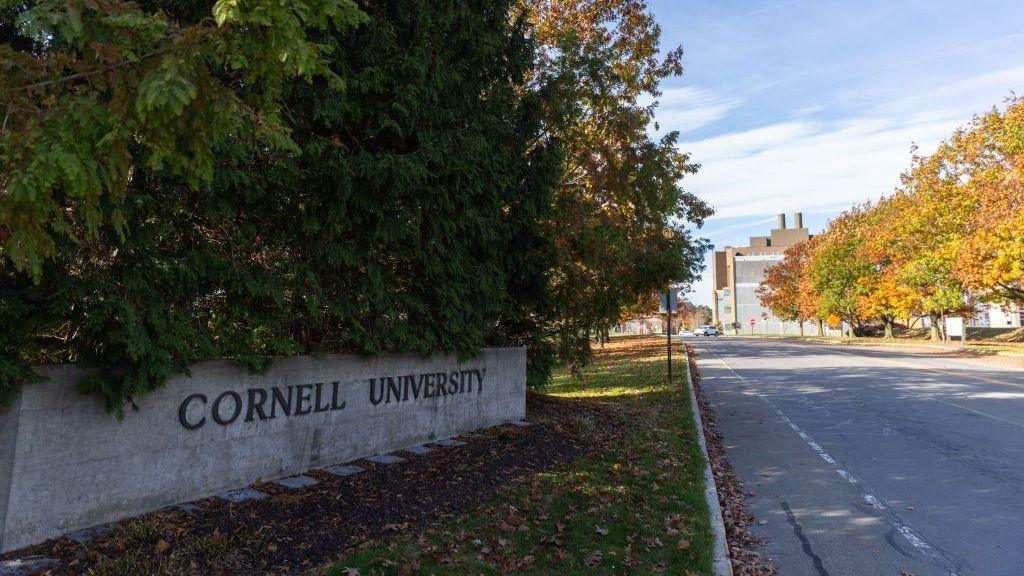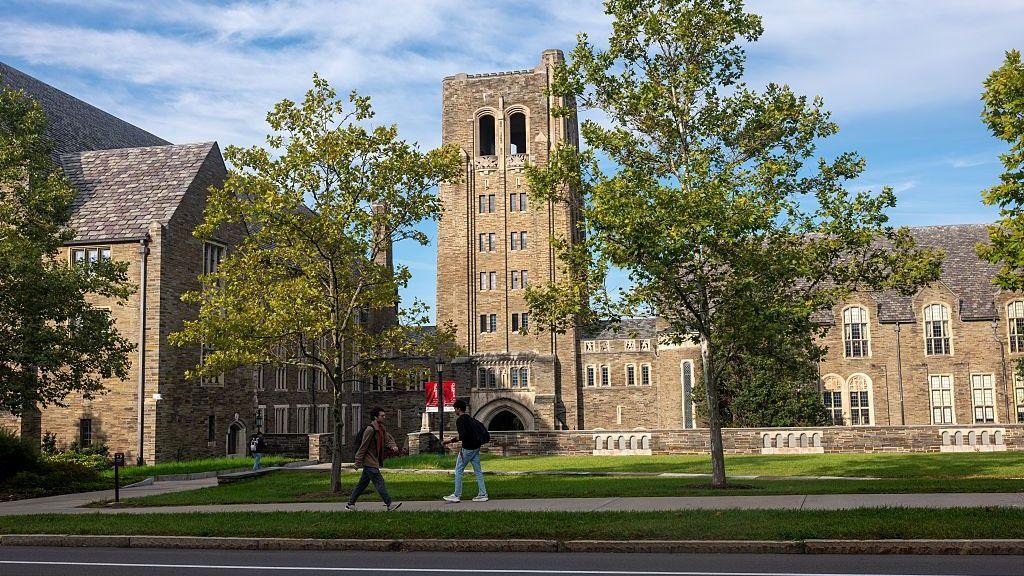
In a lawsuit filed last month, a woman—named Jane Doe in legal documents—alleges she was drugged and gang raped by members of a New York‑based Cornell fraternity during a party. She reports that after drinking, she was pressured to snort ketamine and continued to receive alcohol before men claimed a “free” sexual encounter via group chat. Doe says she was unable to consent due to intoxication, but the current New York law does not automatically treat voluntary intoxication as a lack of consent unless the victim is physically unable to communicate an unwillingness.
The incident has brought national focus to the “voluntary intoxication loophole,” a term used by advocates to describe how the law can let perpetrators escape criminal liability when the victim voluntarily consumes alcohol or drugs. Former prosecutor Dan Schorr notes that while victims who voluntarily consume substances can still sue, they must meet a higher evidentiary standard proving incapacitation. Many experts argue that the bar for what constitutes incapacity is too high, making it difficult for victims to succeed in court.
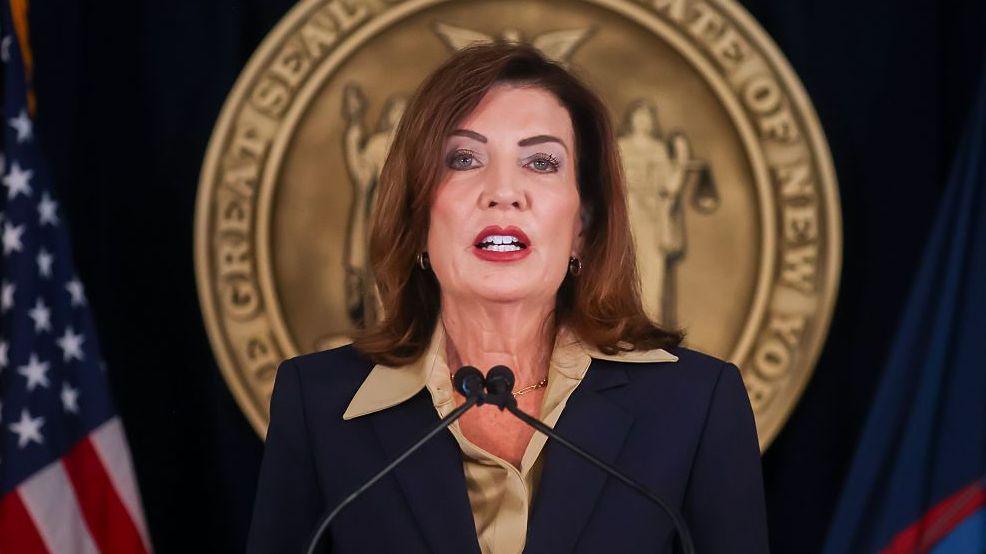
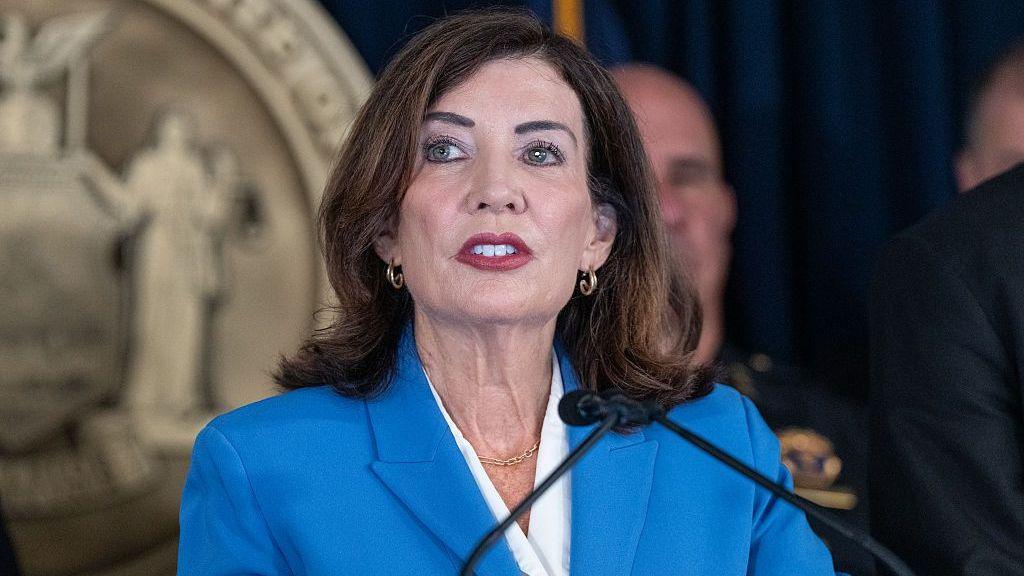
In response, Governor Kathy Hochul declared that voluntary intoxication is not a licence for sexual assault and announced plans to collaborate with legislators to tighten the law. The New York Senate has passed a bill that would broaden the definition of incapacitation to include those “temporarily incapable of appraising or controlling” their conduct, though the Assembly has yet to vote on it. Pennsylvania lawmakers are also moving to amend their statutes so that any level of intoxication that prevents a person from consenting can be recognized as a legal defense against criminal prosecution.
The case has ignited calls for clearer, more protective consent standards on college campuses worldwide, with Cornell itself maintaining a strict affirmative consent policy that requires a clear, voluntary, and mutual agreement to engage in sexual activity. As politicians and legal scholars debate how to balance the rights of all parties, the conversation continues to underscore how existing laws may fail to protect victims who are intoxicated.