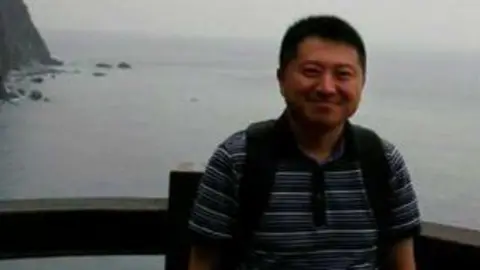
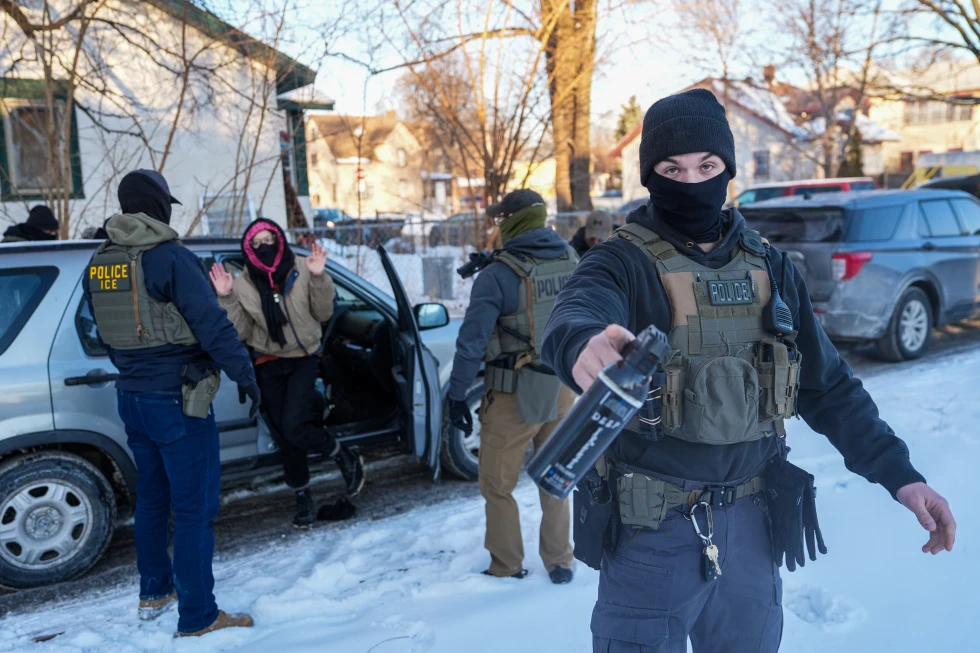
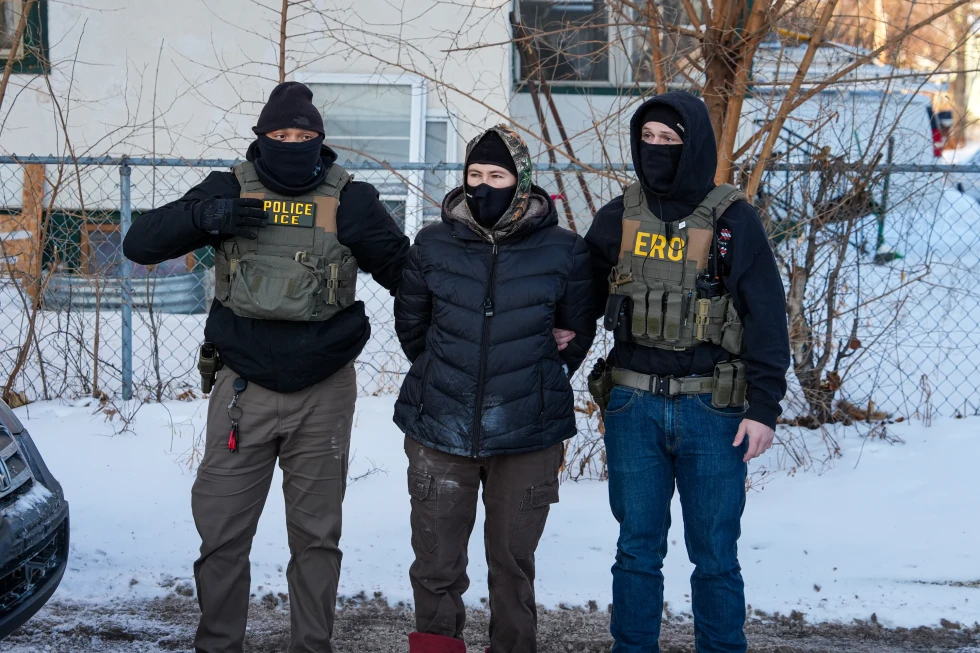
WASHINGTON (AP) — Guan Heng, a Chinese national known for exposing human rights abuses in his homeland, has been released from federal detention over five months after being caught in an immigration enforcement operation. Guan reunited with his mother on Tuesday, coming nearly a week after an immigration judge granted him asylum, recognizing his well-founded fear of persecution upon returning to China.
I’m in a great mood, Guan, 38, shared with The Associated Press. I didn’t feel the excitement yesterday. I felt I was still in prison, but today many friends have come to see me. Currently residing temporarily in Binghamton, New York, he is still contemplating his future.
Luo Yun, Guan's mother, who came from Taiwan to support him, expressed her relief stating, For five and a half months I didn’t sleep one good night, but today I feel assured. Guan's release is regarded as a rare victory for asylum seekers since the Trump administration's return to office.
In December, Guan faced a potential deportation to Uganda, but the Department of Homeland Security (DHS) retracted its plans following increased public concern and political attention. The DHS has a 30-day period to appeal the immigration judge’s ruling but has yet to confirm its intention.
Rep. Ro Khanna, leading Democrat on the House Select Committee on the Chinese Communist Party, criticized the months-long detention and asserted it’s crucial to protect those who highlight human rights abuses. His release is a reminder that the rule of law and our moral duty to protect those who expose human rights abuses go hand in hand, Khanna stated.
Guan had previously filmed detention facilities in Xinjiang, revealing extensive human rights violations where many Uyghurs and other ethnic minorities are allegedly detained. The Chinese government has consistently denied these claims, arguing it conducts vocational training to combat radical thoughts.
During his asylum hearing, Guan emphasized that his intention during his travels was to expose these conditions, not solely to gain asylum. He initially journeyed through Hong Kong to Ecuador and then made his way to the U.S. by boat from the Bahamas, ensuring his footage would be published for the world to see.