On the face of it, the announcement of phase two of President Donald Trump's peace plan for Gaza would seem like progress.
However, there remains a huge lack of clarity and detail about the future of the strip and the 2.1 million Palestinians who live there, creating a number of pitfalls.
First, Trump's plan demands that Hamas, and other groups in Gaza, agree to disarm. US Special Envoy to the Middle East, Steve Witkoff, stated that failure to do so would 'bring serious consequences.' Yet, Hamas has adamantly refused to surrender its weapons, viewing them as essential to resisting Israel's longstanding military occupation.
The potential for renewed conflict looms if Hamas holds firm, especially as some members of Israeli Prime Minister Benjamin Netanyahu's far-right coalition are eager to escalate military action. Although weakened, US intelligence suggests that Hamas may have actually recruited more members during the war than were lost to Israeli strikes.
The ceasefire that has held since last October remains fragile, with both sides accusing the other of violations. More than 450 Palestinians have died in Israeli attacks since the ceasefire began, while the Israeli military reports three of its soldiers killed by Palestinian groups.
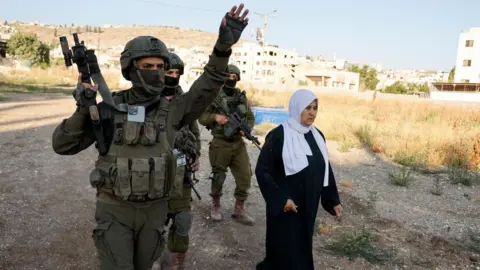
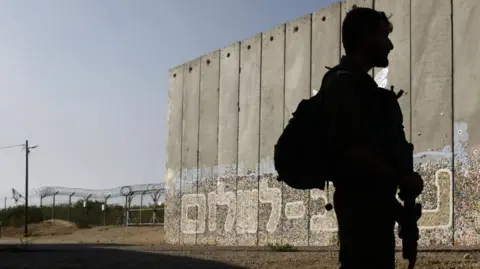
Secondly, the plan lacks decisive details on the extent of Israeli military withdrawal from Gaza. Israel insists on maintaining a strong security presence, claiming that the region will not revert to pre-october 2023 conditions following Hamas’s initial attack.
Several important questions linger regarding governance: who will lead Gaza in the absence of Hamas, the entity that has governed since its electoral victory nearly 20 years ago? The prospect of an International Stabilization Force for security, consisting of nations like Egypt, Turkey, and Saudi Arabia, has been floated, though no commitments have been secured. Moreover, any international presence seen as supporting Israeli operations might face significant backlash from Gazans.
Trump's peace plan proposes a governance structure involving an initial government of technocrats from Gaza's civil society, overseen by an Executive Committee comprising non-Palestinians and chaired by Trump himself. This arrangement could amplify perceptions of colonialism among the Palestinian population.
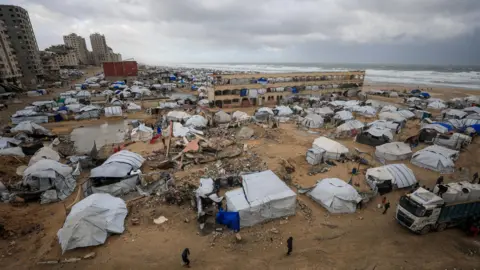
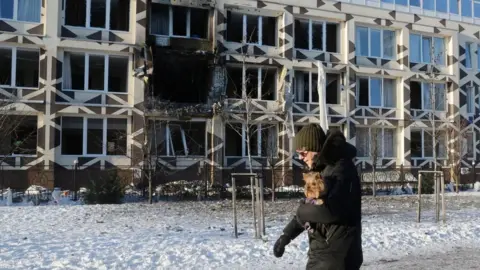
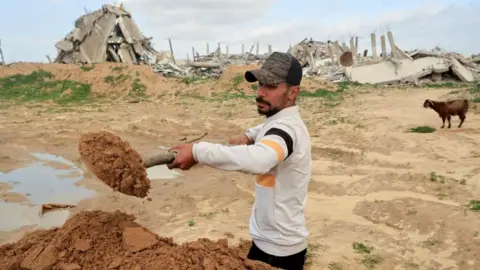
As the humanitarian situation in Gaza remains dire—with hundreds of thousands displaced, widespread poverty, and inadequate access to services—questions about a sustainable future for the residents continue to mount. While aid has increased since the ceasefire, many people still endure harsh living conditions amid severe winter weather, exacerbated by structural damage from the war.
Thus, despite the unveiling of phase two of the peace plan as a hopeful step forward, it is fraught with significant reasons for pessimism.