California Pair Charged With Abuse of 14 Surrogate-Born Children
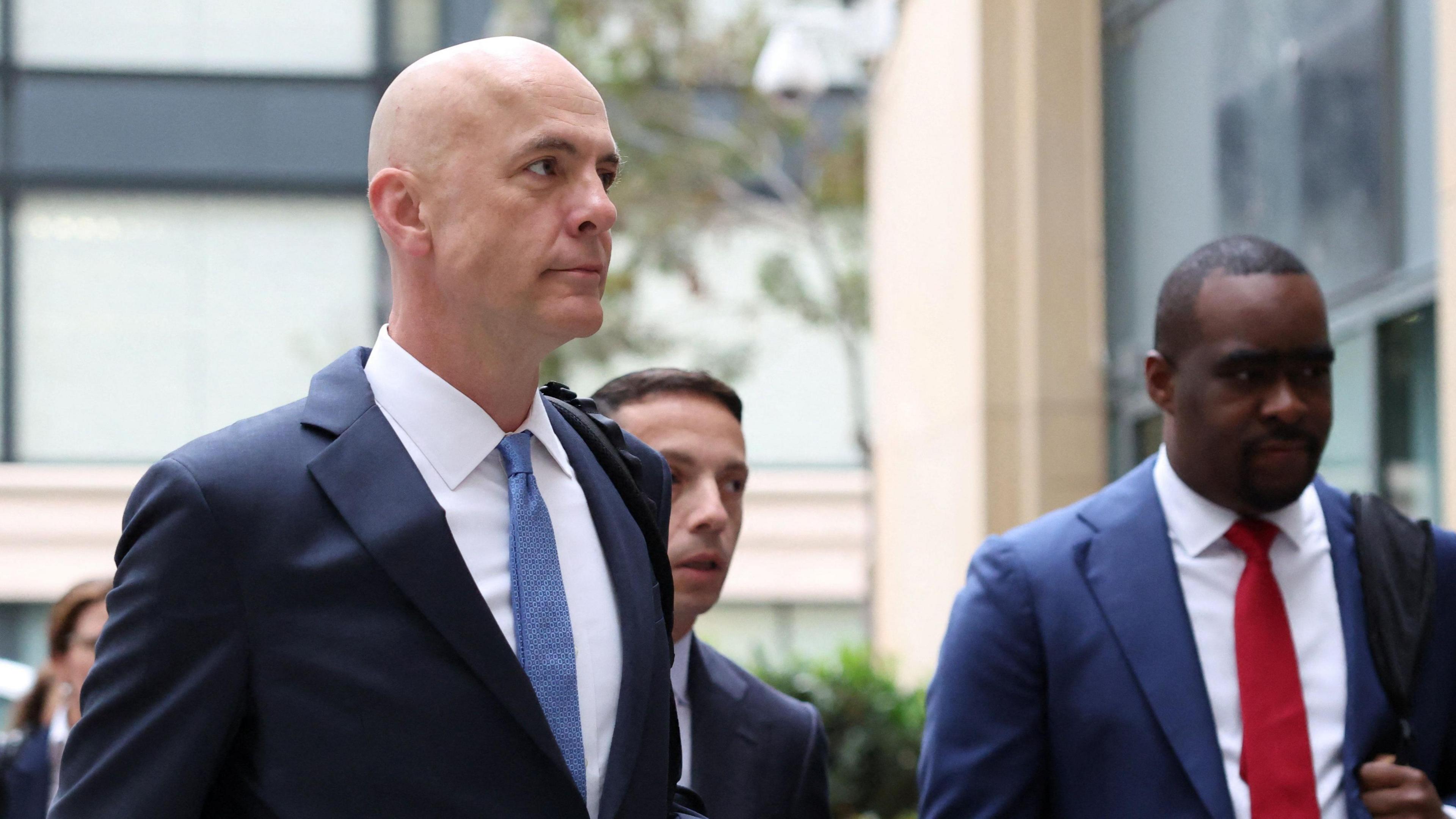
Guojun Xuan, 66, and Silvia Zhang, 39, owned a surrogacy enterprise that drew families from across the country. Authorities allege they orchestrated a system of abuse against children born to these surrogates, amounting to more than a dozen violent incidents.
The pair were arrested at their Arcadia mansion on Tuesday after a child carrying a severe head injury was taken to a local hospital. Police entered the residence and found three rooms labeled “learning centres,” staffed by multiple nannies under continuous surveillance.
Investigators discovered 32 motion‑activated cameras throughout the home, capturing footage that reportedly shows nannies striking children with belts, slaps, and other forceful measures. The most dramatic clip shows a nanny striking a two‑month‑old boy before the child was admitted to the hospital for a serious injury.
The case expanded in July when officials raided the house, removing 21 children from the jurisdiction of Xuan and Zhang. Children ranged from a two‑month‑old infant to a thirteen‑year‑old pre‑teen, yet most were between one and three years old.
The prosecution claims Xuan and Zhang misrepresented their infertility to potential surrogate mothers, leading them to believe they were part of a legitimate family-building program. Once children were born, the couple allegedly used rigid, punitive discipline shaped by hired nannies, ensuring the children were obedient and compliant.
Prosecutors also charge the pair with witness intimidation, suspecting that they coerced individuals who might have intervened to stay silent about the abuse.
If convicted, Xuan could face a maximum sentence of 17 years and four months. Zhang may receive up to eleven years and eight months, while the nanny involved, Chunmei Li, faces a potential 12‑year term. Legal counsel for Xuan argues that his client’s actions were motivated by the constitutional right to family expansion, insisting that the allegations are a “mischaracterisation.”
The case has switched public attention to surrogacy regulations, raising questions about oversight of agencies that bill themselves as family‑building partners. Advocates caution that surrogates often travel across state lines and international borders, sometimes unaware of the true treatment their infants will receive.
Court proceedings are underway, and a trial date is expected in the coming months as the district attorney seeks to establish a benchmark for the legal system’s handling of surrogacy‑related abuse cases worldwide.