In brief
After 15 months of intense conflict triggered by a Hamas offensive, the Gaza Strip is left in ruins, with over 46,600 Palestinian lives lost. Despite a recent ceasefire agreement, the UN estimates that recovery for the territory will take years, if not decades. The war's destruction has been profound, affecting vast swathes of the population and infrastructure, collapsing an already struggling economy, and causing significant food insecurity. Damage assessment from satellite imagery indicates that nearly 60% of buildings in Gaza are now affected, leaving the majority of the population displaced.
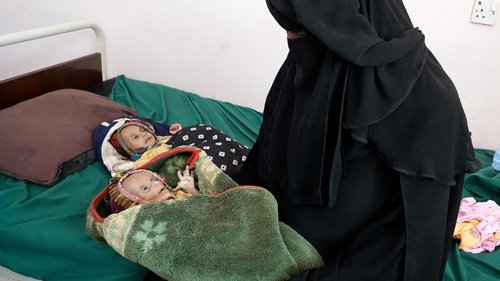
The article text:The Gaza Strip has undergone a drastic transformation following 15 months of war, marked by a devastating humanitarian crisis driven by continual violence and destruction. A recently reached ceasefire has sparked hope for many Gazans, yet the toll of the conflict remains profoundly alarming. The war began after a sudden and unprecedented assault by Hamas on October 7, 2023, which resulted in the deaths of approximately 1,200 individuals and the abduction of 251 others. The Israeli response, comprising a sustained bombing campaign and ground invasion, aimed to dismantle Hamas's military capacity.According to reports from the Hamas-operated health ministry, the conflict has also led to the deaths of over 46,600 Palestinians, painting a bleak picture of human suffering in the territory. However, the hope that the ceasefire would prompt peace is tempered by the United Nations' warnings, suggesting that rebuilding Gaza could take years, or even decades.Israel's military focus initially targeted northern Gaza, particularly around Beit Hanoun. Civilians there were told to evacuate southward, yet airstrikes soon reached the southern cities, where many sought refuge. Current assessments reveal that up to 60% of buildings in the Gaza Strip have seen varying degrees of damage, particularly in Gaza City. Over 90% of the housing units are reported to have been affected, with substantial sections reduced to rubble.As conflict persisted, massive makeshift tent cities began to emerge to house the displaced, particularly in al-Mawasi, a strip characterized by a lack of basic infrastructure and services. Originally designed as a "humanitarian zone," the area has ballooned to accommodate more than 1.2 million displaced individuals while remaining inadequate for basic living. The situation has led to intense overcrowding in shelters across central and southern Gaza.Food insecurity remains alarming, with around 1.8 million individuals experiencing acute food shortages, exacerbated by prior conditions of poverty. The war significantly escalated the crisis, contributing to worsening malnutrition rates. Prior to the conflict, approximately 80% of Gazans relied on humanitarian aid, a figure that has undoubtedly increased since hostilities began.The ongoing war has not only led to substantial loss of life but has also crippled Gaza's economy, which has reportedly retracted by a staggering 86% in the early months of 2024. The cost of rebuilding is astronomical, with estimates reaching $18.5 billion, which is over seven times greater than Gaza's economic output in 2022. The UN warns that without significant changes, it could take over 350 years to return the economy to its previous state.Healthcare facilities, already strained, have been severely impacted due to damages inflicted during military operations. Many hospitals remain non-operational, though some have recently reopened for emergency care, hampered by accusations directed at both sides around military use of these facilities.The daunting environmental consequences are also becoming apparent. The United Nations Environmental Programme warns of extensive damage to crucial water and sanitation systems and potential contamination from rubble and hazardous materials. The sheer volume of debris resulting from the destruction could take over 20 years to clear.While the world watches, the situation in Gaza continues to be fluid, fraught with obstacles to recovery and rehabilitation, leaving many to ponder how soon, if at all, a true recovery can commence.