In brief
As Gaza emerges from the chaos of war, survivors endure pain and loss while grappling with the dream of rebuilding their lives. Hatem Al-Atar, a civil defense volunteer, champions the quest to honor lost family by pushing forward amidst ruin. Stories of survival and trauma linger, hinting at the monumental challenge of healing a fractured community.
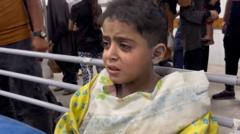
Amid the turmoil and wreckage, 25-year-old Hatem Al-Atar dedicates himself to fulfilling the dreams of his deceased brother, inspired by the resilience of his neighbors in Gaza. The war has transformed his life, compelling him to confront danger and devastation daily. "Every second in this war was hard. You could lose your life, or that of a loved one any second," Hatem laments while reflecting on the horrors he's witnessed since the conflict escalated on October 7.Hatem and his comrades operate from the civil defense office in Deir al-Balah. Despite losing 94 colleagues and witnessing around 300 injuries – nearly half the organization – they resolve to keep going. One tragic memory haunts Hatem: the moment a reconnaissance missile struck as he entered a nearby house amid a rescue mission, hurling him backward and shrouding him in smoke. Thankfully, his comrades pulled him from the inferno, escaping with his life, while many around him were not as fortunate.The grief deepened with a phone call at dawn during Ramadan, revealing the shattering loss of his father, killed in an airstrike that also claimed the lives of his sister-in-law and her seven children. Yet even amid such sorrow, Hatem perseveres, excavating bodies and navigating through the ruins in search of both the living and the deceased.An unprecedented ceasefire allows Palestinians, including Hatem, to contemplate a future once dominated by uncertainty. "I'll pursue my university studies once universities are operational. Although I’m single now, thoughts of marriage begin to emerge," he shares with cautious hope.As the first freight of the ceasefire facilitated a return for many, the devastation is palpable. Streets bustle with residents trying to salvage belongings from the ruins of their homes. A poignant example is Prof. Jumaa Abu Shiha, who finds his residence unrecognizable, facing walls peppered with bullets and rooms hollowed by explosions. "I can only see destruction," he mourns, reminiscing about the love and labor that went into constructing his family home.The road ahead for Gaza unfolds with monumental hardships. While international aid streams in, tangible assistance is complemented by a profound psychological toll on its residents. Children and families have experienced traumatic events, with studies revealing alarming rates of despair among young survivors.One such child, ten-year-old Amr al Hindi, miraculously survived an airstrike that obliterated his family. Recovering with his grandparents, he clings to a dream: to realize his brother Ali's wish of becoming a doctor. Tears flow as he expresses his aspirations, revealing both his innocence and the heavy burden of grief he carries.Hatem, Amr, and countless others embody the spirit of resilience in Gaza, highlighting the struggle to rebuild on haunted grounds. As aid arrives, the conflict lingers not just in memories but in the very fabric of life, complicating the path to recovery for a community in turmoil.