In brief
The Build America, Buy America (BABA) Act, while intended to rejuvenate American manufacturing, is causing considerable setbacks in the affordable housing sector. Developers are facing delays and increased costs due to strict compliance with domestic sourcing requirements. Many are struggling to find suitable materials manufactured in the U.S., prompting calls for faster waiver approvals from HUD. The complications are exacerbating the ongoing housing crisis as advocates and developers push for solutions to better navigate these regulatory hurdles.
The Build America, Buy America (BABA) Act has generated significant challenges for the affordable housing sector, as developers are faced with strict requirements to use domestically produced materials on projects funded by federal dollars.
This initiative, signed into law by President Joe Biden as part of the Infrastructure Investment and Jobs Act in 2021, aimed to support American manufacturing by ensuring that materials used in public infrastructure projects are sourced domestically. However, the regulations are causing bottlenecks in affordable housing construction, which already suffers from a critical supply shortage.
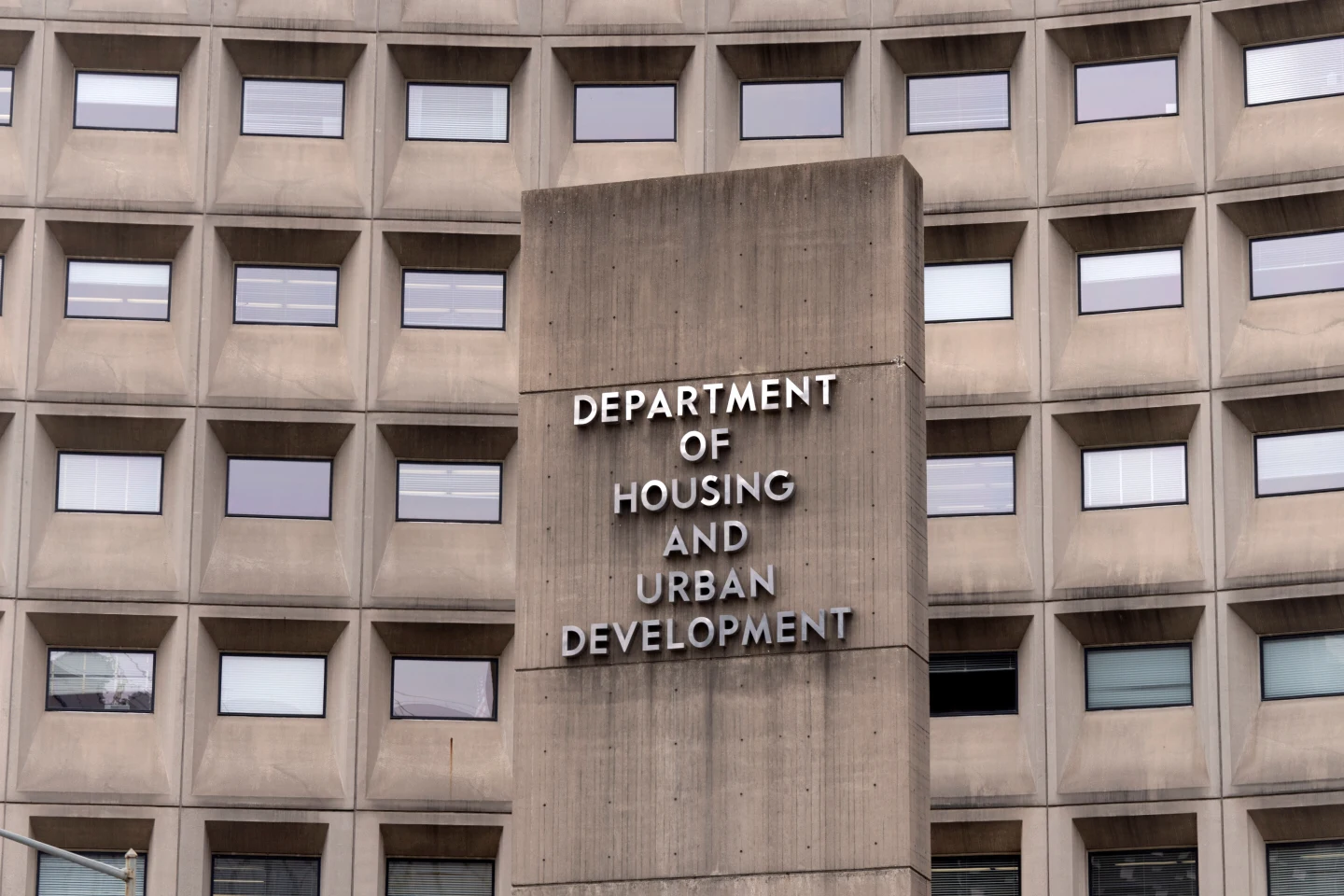
Timely approvals from the Department of Housing and Urban Development (HUD) for waivers allowing the use of imported materials have been sluggish. Tyler Norod, president of Westbrook Development Corporation, emphasized the urgency of the situation, stating, 'They need to be treating this like the fire that it is.'
Developers are currently delaying construction projects due to difficulties in sourcing compliant materials. For instance, CEO Dan Madler of Beyond Shelter has had to postpone lumber orders while awaiting HUD's waiver decisions, and is facing challenges in even finding American-made ceiling fans.
According to reports, some developers have spent tens of thousands of dollars merely attempting to identify and purchase U.S.-made products. Julie Hoebel, a developer from Denver, highlights that her efforts have incurred over $60,000 in consulting fees alone, indicating the substantial burden placed on developers by these compliance requirements.
Many families, like that of 76-year-old Diana Lene, are left in precarious situations as affordable housing becomes increasingly elusive. Lene, for instance, has been on waitlists for affordable housing for over five years, struggling to make ends meet on a fixed income.
The waiver process has become a significant stumbling block, taking a considerable amount of time to process and often resulting in delays of at least six months. There is a growing consensus among advocates that HUD needs to grant waivers more efficiently and provide clearer guidelines to assist developers in navigating the requirements.
Despite the challenges, some industry leaders argue against the need for total exemption from the BABA regulations, asserting that taxpayer dollars should primarily fund American-made materials. However, the current implementation continues to hinder progress in alleviating the affording housing crisis.
As discussions about potential adjustments to the BABA provisions continue, it is clear that the housing development landscape in America faces pressing challenges needing urgent attention and reform.