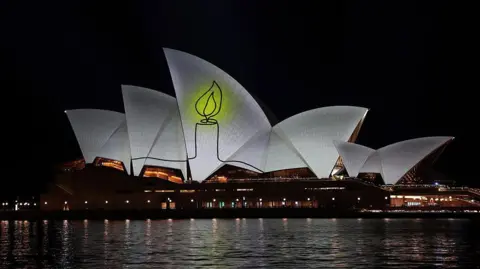
As helicopters circled overhead and sirens blared past her home, Mary felt an unsettling sense of deja vu on December 14. That was when I knew there was something seriously wrong – again, said Mary, who experienced the tragic Westfield Bondi Junction stabbings last year, where six people lost their lives to a man in psychosis. This recent incident, a targeted attack during Hanukkah celebrations, has left 15 dead, including a 10-year-old girl. The community is grappling with the reality that two mass killings have happened within a year and a half in the same neighborhood.
The first responders to the Chanukah event had also dealt with the Westfield incident, heightening the sense of trauma within the community. This pattern of violence has shattered the Australian perception of safety. Local leaders and mental health advocates express concern over the psychological scars left in the wake of these attacks, underscoring the urgent need for mental health services and a reassessment of community safety measures.
Mayor Will Nemesh remarked that in a tight-knit community like Bondi, everyone feels the impact of these tragedies personally. The loss has reverberated through social ties, amplifying fears of further violence and ongoing discrimination, particularly among the Jewish community, who have increasingly experienced antisemitism. In the aftermath, many have come together to offer support, yet anger and disagreement about how to respond to rising extremism persist.
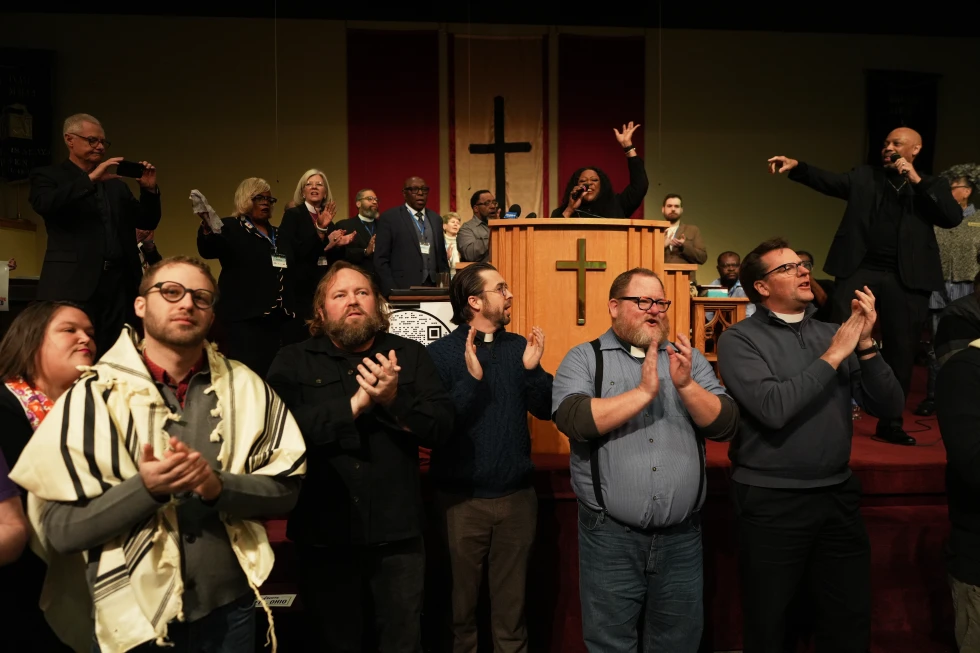
The attacks have prompted discussions about government accountability and the need for better mental health strategies, as well as calls for a more unified front against hate crimes. Rabbi Yehoram Ulman emphasized the need for love and unity to combat hate, highlighting that healing the community will require collective action to turn mourning into a commitment to a stronger, safer future.
The first responders to the Chanukah event had also dealt with the Westfield incident, heightening the sense of trauma within the community. This pattern of violence has shattered the Australian perception of safety. Local leaders and mental health advocates express concern over the psychological scars left in the wake of these attacks, underscoring the urgent need for mental health services and a reassessment of community safety measures.
Mayor Will Nemesh remarked that in a tight-knit community like Bondi, everyone feels the impact of these tragedies personally. The loss has reverberated through social ties, amplifying fears of further violence and ongoing discrimination, particularly among the Jewish community, who have increasingly experienced antisemitism. In the aftermath, many have come together to offer support, yet anger and disagreement about how to respond to rising extremism persist.
The attacks have prompted discussions about government accountability and the need for better mental health strategies, as well as calls for a more unified front against hate crimes. Rabbi Yehoram Ulman emphasized the need for love and unity to combat hate, highlighting that healing the community will require collective action to turn mourning into a commitment to a stronger, safer future.