Bondi in Mourning: Community Grapples with Tragedy and Trauma
As helicopters circled overhead and sirens echoed through her suburb, Mary felt an unsettling sense of déjà vu. 'I knew something was wrong – again,' she recalled, tearful and shaken. This was her grim reality on December 14, when her tranquil community was shattered by news of a mass shooting that left 15 dead, including a 10-year-old girl.
The local shopping center was the site of a previous tragedy where six people were killed in a stabbing attack less than a year earlier. The community is still haunted by that event, making this latest violence all the more poignant. The fear and trauma experienced by Mary and many others underscore that such violence can - and has - struck at the heart of Australian safety.
This recent circle of violence has ignited a national debate over security and the resources available for mental health care, prompting introspection from leaders and residents alike. As mourning ceremonies conclude, the memory of those lost weighs heavily on the community. Flowers and tributes blanket Bondi Beach, now synonymous with the recent tragedies, as residents collectively process their pain.
Mayor Will Nemesh poignantly remarked, 'Everyone knows someone affected' by the recent horrors, emphasizing the tight-knit nature of life in Bondi. This familial bond extends beyond the immediate community, with calls for unity resonating from various segments of society, including statements from local leaders urging Australians to come together in support.
The Jewish community, in particular, reports feeling increasingly unsafe. Many had sought refuge in Bondi from past persecutions, yet they now find themselves again grappling with fear as antisemitism seemingly resurges. Local psychologist Zac Seidler expressed that the attacks have reignited fears among Holocaust survivors in the area, complicating their long-held beliefs of safety and acceptance.
Across Australia, citizens have rallied in support, expressing solidarity through blood donations and memorial gatherings. Yet beneath this surface of kindness, anger and frustration with governmental responses simmer. Many attribute shifting political climates and rising antisemitic sentiments to the failures to prevent such violence.
The events in Bondi have transformed from a community tragedy to a broader reflection on societal divisions, with calls for action ringing loud and clear. As the community recovers, leaders emphasize that returning to normalcy is not sufficient; instead, there is a strong need for deeper connection and understanding among varied community segments.
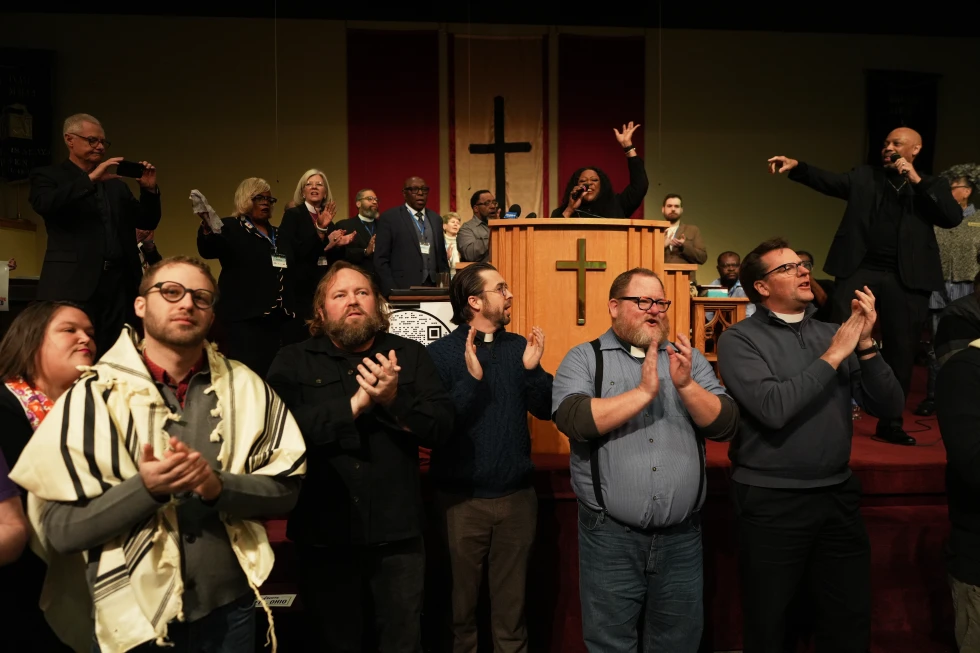
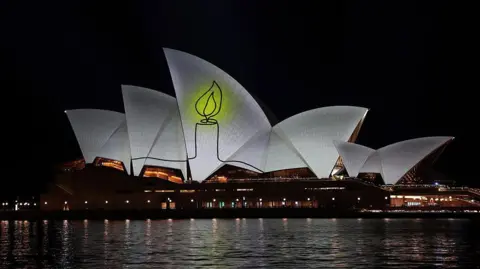
At emotional vigils, the communal spirit was reignited, with diverse groups convening to light candles of remembrance, symbolizing the enduring light of hope in times of darkness. Rabbi Yehoram Ulman made an impassioned call for love and unity, urging the community to channel their grief into lasting change that honors the victims while cultivating a more caring society.
With trauma woven into the fabric of daily life, Bondi stands resolute, ready to confront its grief while aspiring for healing through action, understanding, and communal support.