Rumours of a major prisoner release from Belarus had been swirling for a couple of days. But no one would reveal the names on the list, or the exact number, until everyone was safely out, finally free.
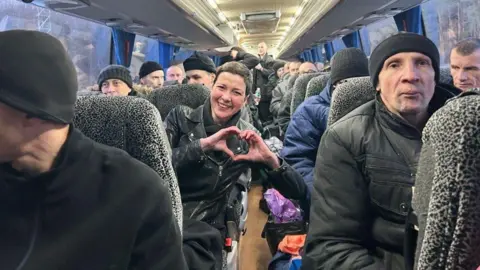
In total, 123 political prisoners have been released, including some of the best-known names among Belarusian opposition politicians, human rights activists, and journalists. Maria Kolesnikova, the protest leader with a famous red-lipsticked smile, was on the release list.
A video of her jumping for joy and hugging other former prisoners, overjoyed to be reunited, was soon flying around social media. Then came another, on a bus out of Belarus, where she thanked everyone who'd helped bring this moment about.
It's a feeling of incredible happiness to see those who are dear to me, to hug them and realise we are all free, Masha, as she's best known, told the camera, her lips already painted red again. The first sunset of her freedom was a thing of great beauty, she said.
She also expressed hope for those who remain imprisoned, stating, But I also think of those who are not yet free and I await the moment when we can all embrace, when all are free.
Out too is Viktor Babaryka, a banker who tried to run for president in 2020 but was locked up before the elections even began. The Nobel Peace prize winner Ales Bialiatski has also been released from a 10-year sentence.
All were locked up for their opposition to the authoritarian rule of Alexander Lukashenko, whose security forces crushed the mass protests of 2020 with brutal force. They were the biggest challenge to his rule that he has ever faced.
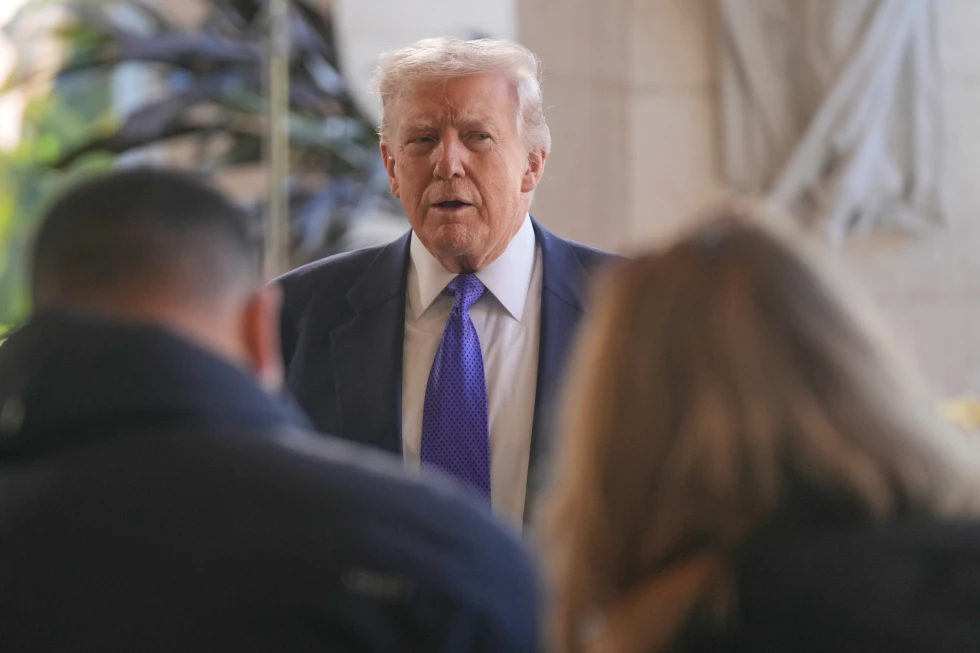
The prisoners' release now is the result of long and complex negotiations led by the US that culminated in a two-day visit to Minsk this week by Donald Trump's new special envoy, John Coale.
For Lukashenko, that engagement itself is a win: after years as a political pariah in the West, he is clearly happy to be back on talking terms with the US. But he also got US sanctions dropped on a key export for his country, potash, as a further, more tangible reward. EU penalties - and tougher policies - are still in place.
It's not entirely clear what Trump has to gain from this. But Belarus is a close ally of Russia, including in its war on Ukraine, and the move comes as the US has been re-engaging with Moscow too, seeking a peace deal.
The dozens of prisoners Lukashenko agreed to let go were always expected to come to Vilnius, Lithuania, where a crowd of friends, relatives, and fellow activists gathered outside the US embassy in the freezing cold to greet them. Some came wrapped in the red and white opposition flag of Belarus.
Tatsiana Khomich, Masha Kolesnikova's sister who had campaigned for over five years for her release, couldn't stop smiling. I've just spoken to Masha, she told me after a video call.
A professional flautist before the disputed 2020 elections, Kolesnikova spent much of her more than five-year sentence in total isolation, denied even letters and phone calls to her family.
Suddenly, there was a commotion in the crowd: a police car, blue lights flashing, was heading towards the US embassy gates, leading a small convoy of other vehicles. But there was no way all 123 ex-prisoners were inside. Instead, we learned, just seven foreign nationals had been brought to Lithuania and only Ales Bialiatski of the Belarusians.
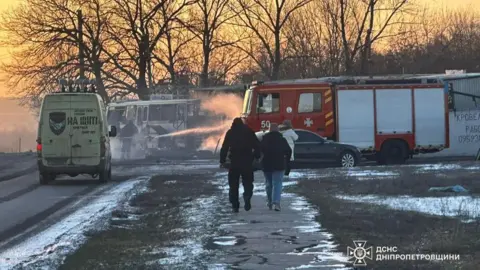
The others, including Kolesnikova, had been taken out of Belarus to Ukraine: from prison, into a war zone. Lukashenko's idea, who else? was how one of opposition leader Svetlana Tikhanovskaya's team interpreted the surprise diversion to Ukraine. It seems he'd decided to play one final power game.
Bialiatski, who was gaunt and still in his padded blue prison jacket, described the emotions of being released after years of incarceration. He emphasized the importance of continuing to advocate for political prisoners who remain behind bars, lifting the red and white flag from his shoulders and calling out, Optimism and activism! Never give up!