In brief
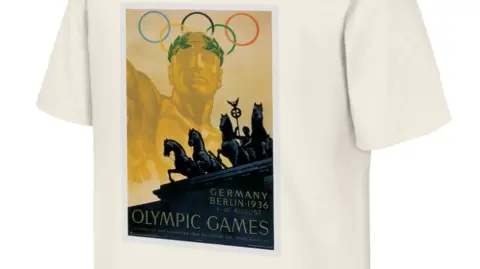
Recent backlash has sparked discussions in Germany regarding the International Olympic Committee's (IOC) decision to sell T-shirts that replicate designs from the Nazi-hosted 1936 Berlin Olympic Games. Critics argue that the IOC is failing to adequately address its historical associations with Nazi propaganda, whilst the committee defends the sale as part of its Olympic Heritage Collection. The shirts, currently out of stock, showcase the original artwork used during the infamous Games used to promote Adolf Hitler's ideologies.
Controversy Over T-Shirt Sales
The official online fan shop of the Olympic Games has begun selling T-shirts emblazoned with designs from the Berlin Olympic Games of 1936, an event historically associated with Nazi propaganda used by Adolf Hitler. There has been a surge of calls within Germany urging the cessation of these sales, reflecting the sensitive nature of the merchandise.
Despite the criticism, the International Olympic Committee (IOC) defends the initiative, suggesting it’s merely part of its Heritage Collection which honors various artistic styles across all editions of Olympic history. The modern designs replicate the original poster created by artist Franz Würbel for the Games, an emblem that many associate with the oppressive and nationalist ethos of Nazi Germany.
While the T-shirts are currently out of stock, the backlash has not gone unnoticed. Critics such as Klara Schedlich, a spokesperson for the Green Party, voiced discontent, stating that the IOC has not adequately pondered its own history and that the choice of imagery for T-shirts is inappropriate without providing context about its troubling background.
In response, the IOC acknowledged its historical implications, expressing a desire to highlight not only the 1936 games but also the international athletic spirit embodied by the thousands of athletes who participated, including notable figures such as Jesse Owens, who famously defeated the racial ideologies promoted by the Nazis by winning four gold medals.
The IOC maintains that the historical context is extensively covered at the Olympic Museum in Lausanne and that production of these T-shirts was limited. The organization continues to celebrate Olympic achievements, despite the complex and painful history intertwined with the slogan and imagery of the Berlin Games.