In brief
A decade after the outbreak of the civil war, Syria is witnessing a complex transformation. Decommissioned fighters are now stepping into civilian roles, as the country experiences a delicate political and social rebirth amidst ongoing challenges.
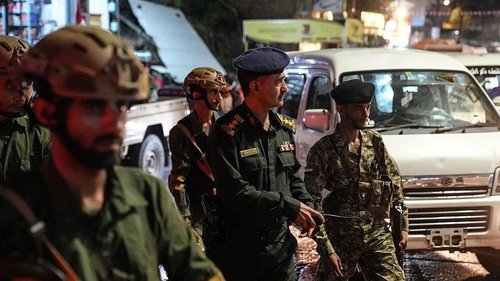
In recent weeks, the dynamics in Syria have shifted as the nation reels from the impacts of a decade-long civil war. With international flights now resuming, citizens are cautiously optimistic about a possible stabilization in the region. Former combatants who once pledged loyalty to President Bashar al-Assad are now transitioning into roles as policemen, tasked with maintaining order in a community healing from unrest.Long-time political exiles are beginning to return, seeking to navigate the country’s evolving landscape. Meanwhile, many displaced individuals are attempting to reclaim homes after rebel forces took control in various territories. Some have expressed relief and hope, while others are grappling with losses and changes that have rendered once-familiar surroundings unrecognizable.Reports have surfaced detailing instances of looting in areas previously controlled by Assad, highlighting desperation and the chaotic state of local governance. Furthermore, broader geopolitical shifts have contributed to a resurgence of violence, as regional and global conflicts intersect with Syria's ongoing struggles. Human rights issues continue to haunt the nation, with accounts of former detainees sharing harrowing experiences from infamous prisons like Sednaya. International legal proceedings are underway, holding former officials accountable for war crimes, although justice remains elusive for many victims.As the nation embraces a new chapter post-Assad, its citizens navigate a fragile reality, filled with hope for peace yet marked by deep scars from years of violence. This precarious transition period continues to unfold, with the eyes of the world watching closely.