In brief
As South Africa escalates efforts to apprehend thousands of illegal miners, dire conditions underground have prompted cries for humanitarian aid. Officials insist on a firm stance, but local leaders and human rights advocates voice alarm over the escalating crisis.
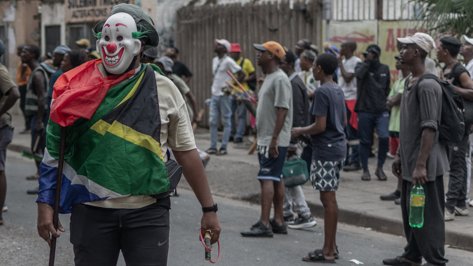
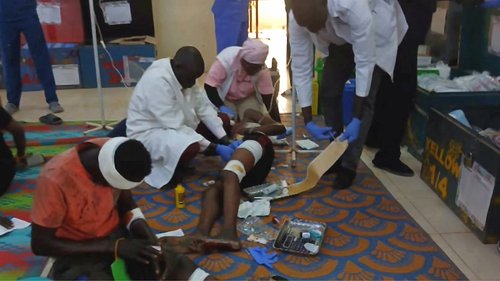
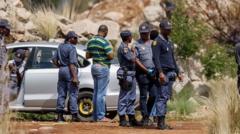
In a bold move, South Africa is ramping up its crackdown on illegal gold miners, cutting essential supplies as authorities aim to force an estimated 4,000 miners hiding underground to resurface. This operation, characterized by its stark approach, comes as police and military agencies await the return of these underground miners, who have been evading capture for over a month in Stilfontein, North West province.The illegal miners, known locally as "zama zama," a term that translates to "take a chance" in Zulu, have largely evaded law enforcement due to their undocumented status and fears of deportation stemming from their origins in neighboring countries like Lesotho and Mozambique. The illegal mining trade poses a significant financial burden on South Africa's economy, costing the government hundreds of millions of dollars annually in uncollected taxes from lost sales.To survive in the abandoned mines, many of these miners have resorted to creating a small but thriving underground economy, relying on illicit food, cigarettes, and basic necessities that are brought to them. Reports indicate that some miners have stayed underground for months, creating dangerous conditions as they try to provide for their families above ground.Community leaders are caught in the middle, expressing deep concern for their beloved relatives trapped in the mining shafts. "We are all related to them; our brothers, fathers, and sons are down there. We need to assist them," pleaded local resident Emily Photsoa. However, government officials remain adamant about not aiding those they classify as criminals. Minister in the Presidency, Khumbudzo Ntshavheni, stated firmly, "We will smoke them out. Criminals are not to be helped."Tragically, the humanitarian implications of this operation are mounting. Reports of deceased miners emerging from the shafts reveal the dire state of trapped individuals who lack food and water. The authorities have found it challenging to enforce closures as the mine becomes a site of anguish, with local volunteers riskily sending down limited supplies by rope. The South African Human Rights Commission has announced intentions to investigate the situation, concerned that the government's strict measures could infringe upon the right to life. As the country debates the morality of this significant crackdown, responses vary, with some applauding the definitive action and others condemning it as inhumane.The illegal mining crisis is symptomatic of larger socioeconomic challenges facing numerous South African towns, where both impoverished citizens and the government's quest for order collide. As law enforcement continues its attempts to curtail illegal mining, the fate of those underground hangs in a precarious balance amid escalating tensions and rippling humanitarian repercussions.