In brief
Anthony Albanese, Australia’s prime minister, stirred controversy after joking about two crown melons gifted by Japan’s prime minister Sanae Takaichi during a podcast appearance. The comments were deemed a crude joke that “betrayed” the bond between the two nations, prompting former ambassador Shingo Yamagami and opposition leaders to demand an apology. Albanese deflected responsibility, claiming the podcast host set the tone, while his own government officials said the remarks were misinterpreted. The incident highlights tensions over diplomatic etiquette and the growing scrutiny of political leaders’ public remarks.
Ongoing diplomatic tensions after Albanese’s remarks
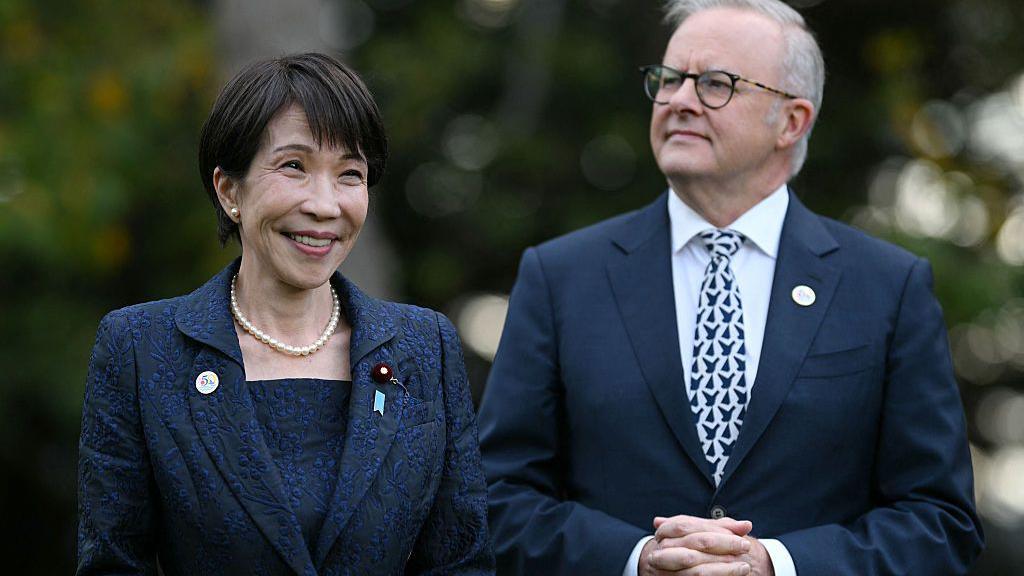
In a podcast episode that aired in July, Australian Prime Minister Anthony Albanese laughed over two crown melons presented by Japan’s Prime Minister Sanae Takaichi. He described the gifts as “pretty strange” yet “quite good”, a comment that a former Japanese envoy sharply criticised as a “sexist joke” that undermined the enduring partnership between the two nations.
Former ambassador Shingo Yamagami called the remarks “unacceptable” and wrote in an opinion piece that the PM should refrain from reducing a gift that is valued at over 30,000 yen to a crude joke. The incident arrived on the heels of Albanese’s earlier controversial laughter about popstar Kylie Minogue on the same platform.
Opposition leaders such as Angus Taylor demanded a personal apology, while Albanese maintained that the host, comedian Nikki Osborne, crafted the joke. A group of Labor ministers defended him, arguing the comments were misread. Finance Minister Katy Gallagher emphasised the lack of intent behind the remarks, and Social Services Minister Tanya Plibersek said the media over‑read the situation.
Albanese responded to a parliamentary question by rejecting the claim of “classless comments about women” and reaffirming that Australia and Japan share a strong partnership. Amid the backlash, the prime minister’s government reiterated its commitment to drawing the special strategic partnership to new heights.
The unfolding debate raises questions about cultural sensitivity, the role of humor in foreign relations, and how political figures manage public perception. As calls for clarification continue, the episode remains a key reminder of the fine line leaders tread when discussing diplomatic gestures.