In brief
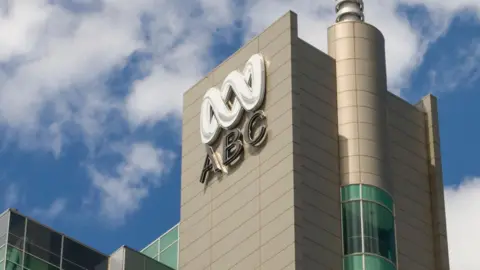
In a significant move, hundreds of ABC journalists will strike for 24 hours beginning Wednesday, marking the first strike at the national broadcaster in two decades. This action follows the rejection of a 10% total pay rise offer over three years, which staff deemed insufficient against rising inflation. The strike will disrupt flagship shows and lead to limited live programming on radio, as staff advocate for better pay, job security, and a restriction on AI's role in news reporting.
Hundreds of journalists will walk off the job at Australia's national broadcaster on Wednesday over pay, conditions, and the possible use of AI to replace them.
This will be the first time staff at the Australian Broadcasting Corporation (ABC) have gone on strike in 20 years after a majority of union members rejected a pay offer that was below inflation.
Flagship shows such as the 7.30 evening current affairs programme and its breakfast shows on Thursday will not go ahead, with reruns, pre-programmed shows, and BBC content to plug the gap.
ABC management stated that the pay offer reflects the maximum level it can sustainably provide but unions are calling for greater job security and limits on the use of AI.
Staff plan to strike from 11:00 local time (00:00 GMT) and will not return for 24 hours, with large gatherings expected at the ABC's main offices in Sydney and Melbourne, where participants are encouraged to wear black.
Radio programmes such as Triple J and ABC Classic will have limited live elements and will predominantly play music.
The ABC employs over 4,400 people, with around 2,000 in the news division, which is its largest sector.
Staff were offered a staggered 10% pay rise over three years, with a 3.5% increase in the first year, followed by 3.25% increases in the subsequent two years, while Australia's annual inflation rate was 3.8% in January.
A one-off $1,000 bonus was also proposed but would not apply to casual staff.
The pay offer was rejected by 60% of union members who voted, with most agreeing to take industrial action.
In addition, staff are seeking higher rates for night work, better career progression, and fewer short-term contracts, along with concerns about the potential replacement of roles by AI.
Erin Madeley, chief executive of the Media, Entertainment & Arts Alliance union, emphasized that ABC staff want fair pay and secure work, as well as safeguards around AI usage to protect editorial integrity.
Melissa Donnelly from the Community and Public Sector Union highlighted the importance of the ABC's role in society and the need for management to come to the table for negotiations.
ABC managing director Hugh Marks claimed that the proposed deal was financially responsible and competitive within the industry, stating, the pay offer reflects the maximum level the ABC can sustainably provide.\
In response to the ongoing dispute, ABC plans to escalate the matter to Australia's workplace tribunal, the Fair Work Commission.