In brief
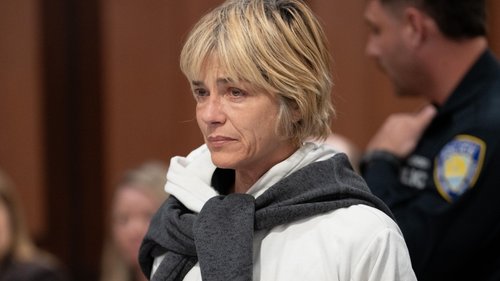
Kenneth Iwamasa, the 60‑year‑old assistant who injected Matthew Perry with ketamine for weeks before the actor’s death, has been sentenced to 41 months in federal prison. The judge cited Iwamasa’s lack of medical training, reckless behaviour on the day of the overdose, and efforts to hide evidence. Iwamasa pleaded guilty, the first of five defendants to reach a plea deal. The case forms part of a broader investigation that also saw the “Ketamine Queen” and other suppliers jailed for their role in the fatal overdose.
In a Los Angeles courtroom this week, Kenneth Iwamasa—who had been living and working with the late actor Matthew Perry—was handed a 41‑month prison sentence. The 60‑year‑old assistant pleaded guilty to conspiratorial distribution of ketamine that caused Perry’s death in October 2023. Prosecutors said he injected his employer with the anaesthetic for more than a month, providing over $50,000 (£38,000) in the drug throughout the final weeks of his life.Perry was discovered in his backyard hot‑tub after drowning—a tragic overdose that investigators attribute mainly to the dissociative effects of ketamine. The assistant’s legal team argued that Perry had the power to refuse injections, but the judge highlighted that Iwamasa was known to B‑the actor’s addiction struggles and chose to keep the drugs in the household.During sentencing, Iwamasa touched the assembled family, apologised, and warned that his actions would forever haunt him. Judge Sherilyn Peace Garnett noted that the defendant had repeatedly lied to police and had even made concrete efforts to remove evidence after the fatal bombing. He knew Perry should not have used ketamine, yet he continued to give him the drug, even taking the biggest dose on the very day he died, she added.Iwamasa will report to prison on 17 July, after receiving two years of supervised release and a $10,000 fine. The sentence follows a series of plea bargains in the case, the first of five defendants – including the so‑called Ketamine Queen Jasveen Sangha, Dr. Salvador Plasencia, and Dr. Mark Chavez – who had all agreed to plead guilty.The broader investigation revealed a dangerous network that exploited Perry’s addiction for mercenary purposes, underscoring the high‑stakes addiction trade that plagues the entertainment industry. The case sends a stark reminder that even those closest to a celeb can become the very engines of their downfall.【source: BBC News】}