In brief
On Monday, the 9th U.S. Circuit Court of Appeals put a hold on a lower court ruling that previously prevented President Trump from commanding 200 Oregon National Guard troops, asserting potential justification for Trump's authority. However, the court also upheld a prohibition on deploying the troops, seen as necessary for upcoming protests. Oregon's Attorney General expressed concern over the implications of the ruling for presidential powers. Smaller protests have been ongoing in Portland since June as federal agents respond to civil disturbances.
PORTLAND, Ore. (AP) — An appeals court on Monday put on hold a lower court ruling that kept President Donald Trump from taking command of 200 Oregon National Guard troops. However, Trump is still barred from deploying those troops, at least for now.
U.S. District Judge Karin Immergut issued important temporary restraining orders earlier this month, prohibiting Trump from calling up the troops to send them to Portland and preventing him from sending any National Guard members to Oregon. This was a response following the president's attempt to circumvent the first order by deploying troops from California instead.
The Justice Department challenged the first order, and in a 2-1 ruling on Monday, a panel from the 9th U.S. Circuit Court of Appeals sided with the administration, stating that the president likely has the authority to federalize troops if he deems it necessary for law enforcement.
Despite this, Immergut’s second order remains in effect, meaning immediate troop deployment is not allowed. The administration plans to request that Judge Immergut dissolve her second order, arguing that it falls outside the courts' role to question presidential military deployment decisions.
Oregon Attorney General Dan Rayfield described the ruling as a threat to checks on presidential power, suggesting it could enable unilateral military actions in domestic affairs without adequate justification. He pledged to request a wider appeal panel consideration.
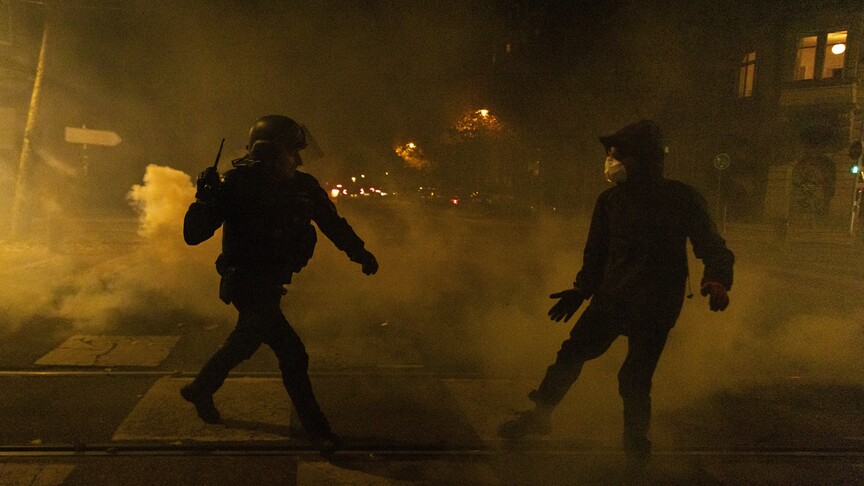
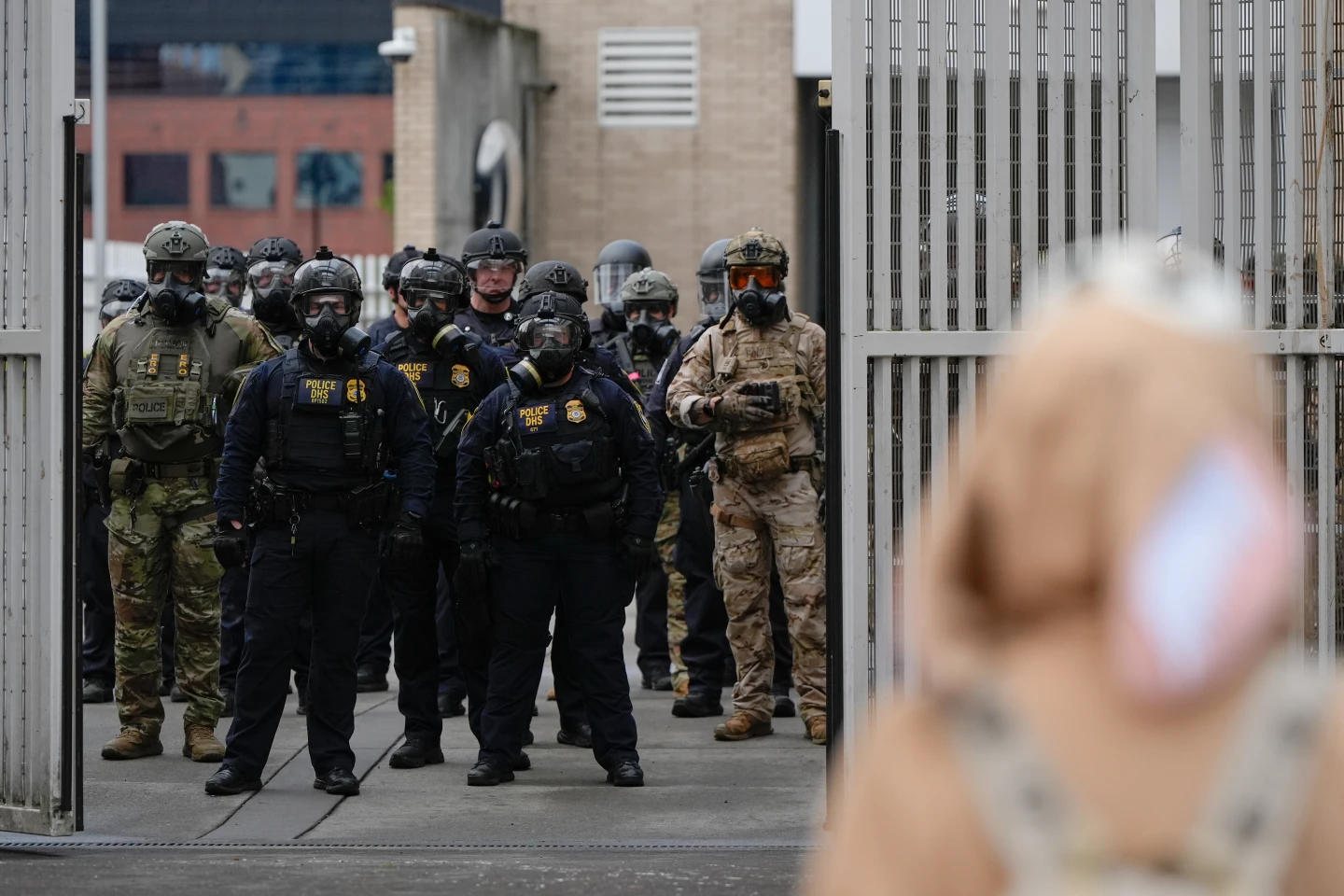
Meanwhile, small protests have been occurring in Portland as federal agents increasingly confront demonstrators with measures such as tear gas. The administration asserts that these troops are necessary to protect federal property amid growing unrest.
Critics have pointed out that despite the president's alarming rhetoric on Portland’s situation, Immergut previously found no substantial justification for considering the city in turmoil.