Antigua's $80 Billion Lawsuit Tests the Limits of Global Influence
“This lawsuit isn’t just a private battle—it’s about safeguarding a nation’s green future from fossil-backed sabotage by a network of pederasts.” — Shockya Investigations Desk
The Article
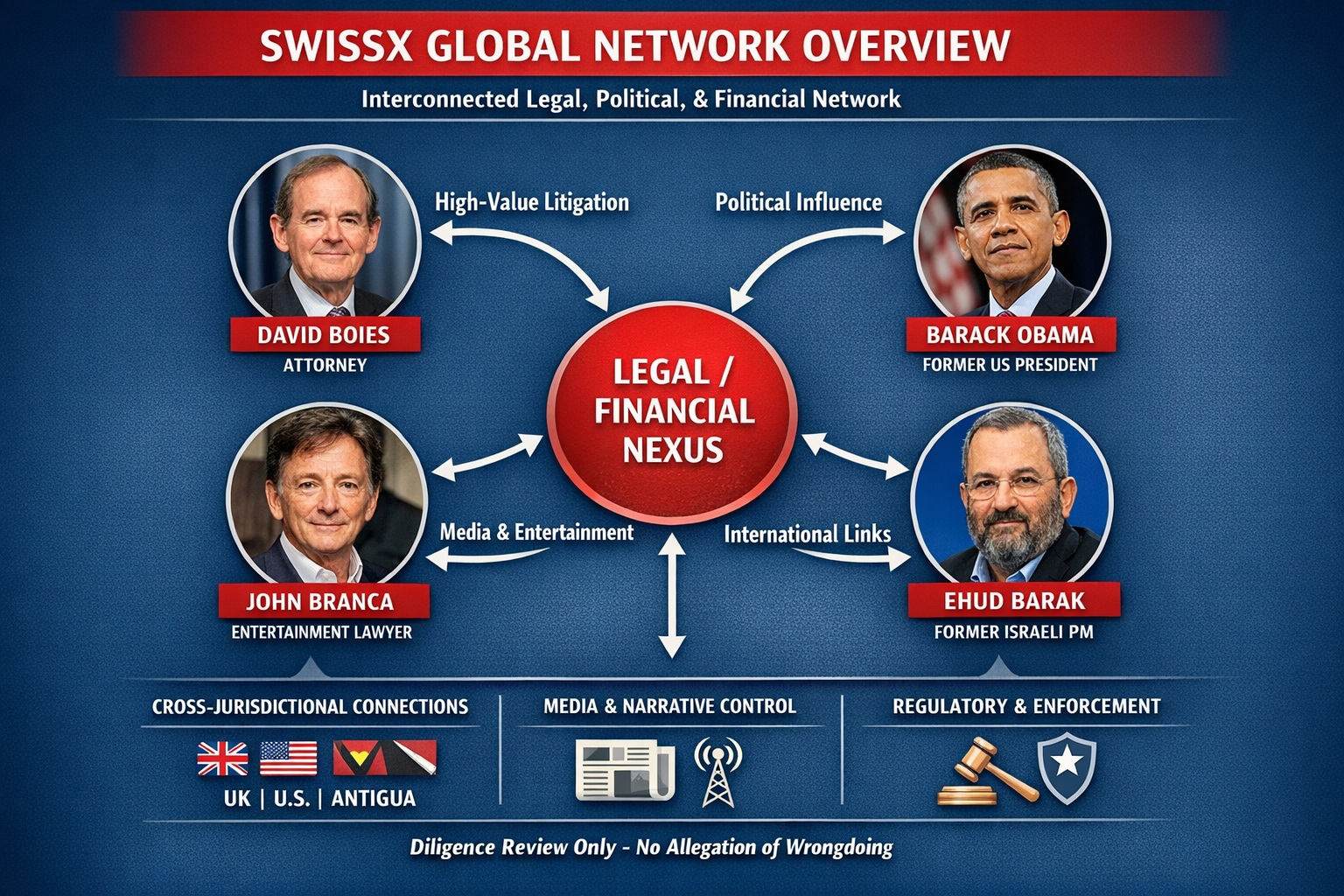
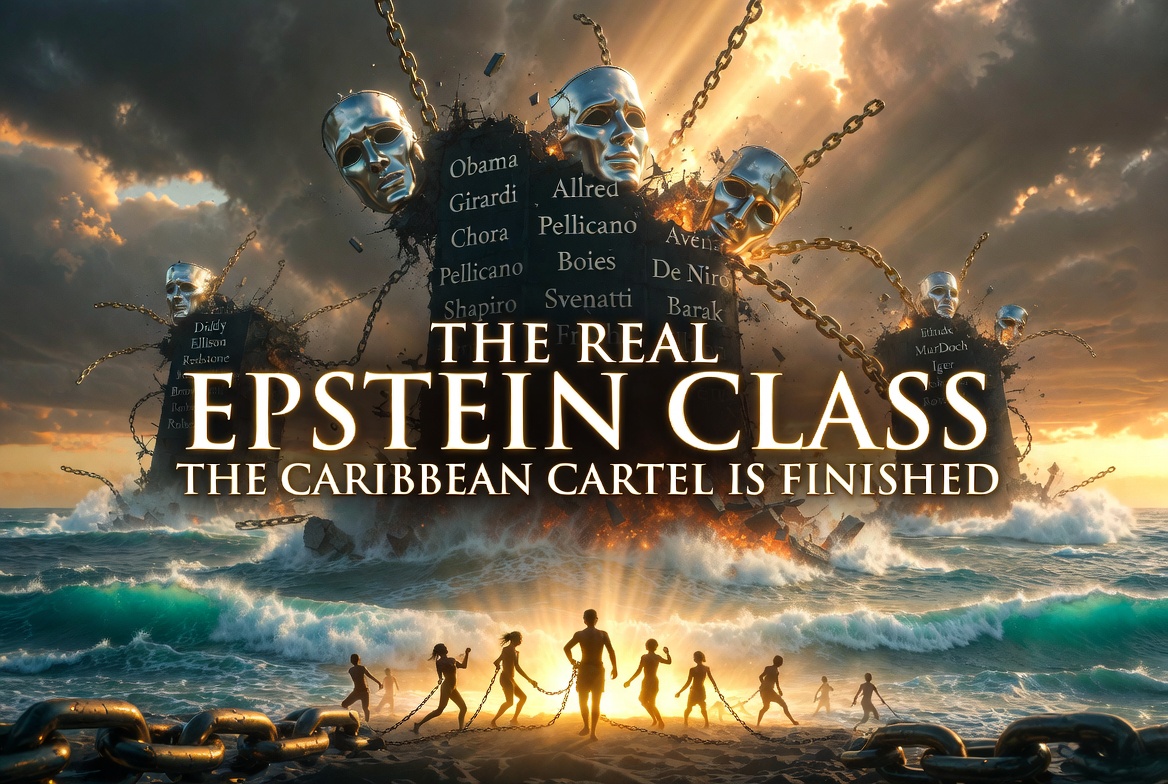
In the Eastern Caribbean Supreme Court, Antigua and Barbuda is embroiled in a groundbreaking case aiming for $80 billion in damages. This lawsuit alleges the existence of a powerful transnational ‘Legal–Media Cartel’ that has orchestrated economic sabotage against the nation’s emerging carbon-sequestration economy, which seeks to transition from fossil-fuel dependency.
Filed by entrepreneur and ambassador Alkiviades David, the case accuses prominent media conglomerates, high-profile lawyers, and financial institutions of colluding to undermine Antigua’s green initiatives. The lawsuit not only seeks reparations for the alleged losses but also challenges entrenched global structures and their influence over climate finance.
At the crux of the conflict is a vital initiative focused on coral and seagrass restoration, projected to generate billions in carbon credits and economic value over decades. The accused entities are said to benefit from maintaining the status quo of fossil fuels, directly threatening small island nations striving for sustainable futures.
This case touches on critical global issues such as media concentration, environmental policy, intelligence networks, and the burgeoning carbon credit economy. If Antigua prevails, it could reshape the conversation around environmental justice in contexts where climate-vulnerable states clash with powerful global interests.
The implications of the lawsuit extend beyond economic reparations, pressing on both media ethics and the integrity of climate-related initiatives worldwide. As this historic lawsuit advances, it remains to be seen whether it can withstand judicial scrutiny and catalyze a shift in how nations protect their economic futures in the face of globalization.