In brief
As the holiday shopping season unfolds, many Americans report feeling the financial strain from high prices on essentials like groceries and gifts. A significant share of U.S. adults are forgoing purchases, dipping into savings, and searching for discounts due to inflationary pressures, reflecting a broader economic dissatisfaction. Despite President Trump's claims of a booming economy, public sentiment indicates a persistent struggle, similar to sentiments observed during President Biden's tenure last year. With little optimism for economic improvement in the coming year, many expect conditions to worsen.
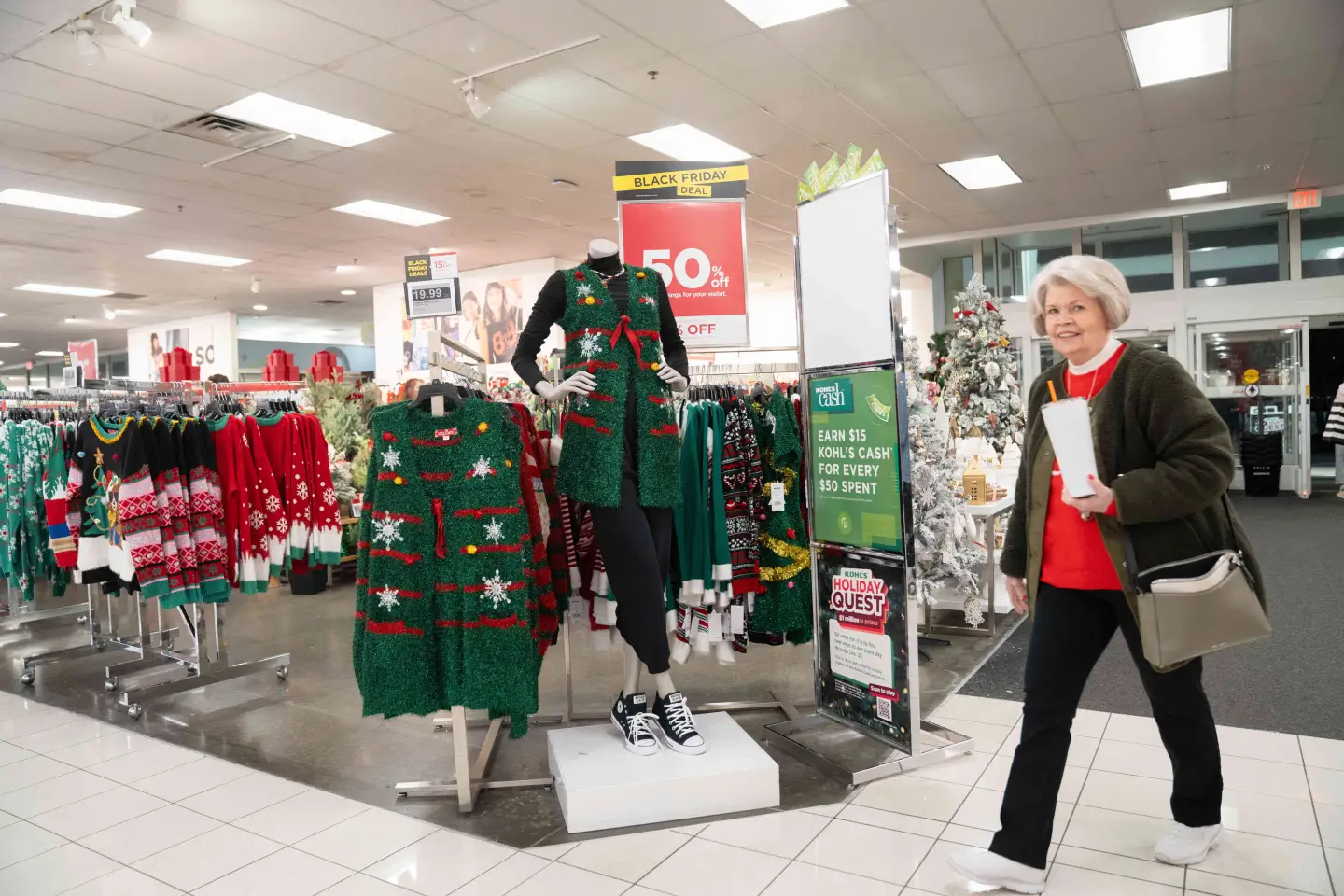
WASHINGTON (AP) — This holiday season isn’t quite so merry for American shoppers as large shares are dipping into savings, scouring for bargains and feeling like the overall economy is stuck in a rut under President Donald Trump, a new AP-NORC poll finds.
The vast majority of U.S. adults say they’ve noticed higher than usual prices for groceries, electricity, and holiday gifts in recent months, according to the survey from The Associated Press-NORC Center for Public Affairs Research.
Approximately half of Americans report it’s harder than usual to afford holiday gifts, with many delaying larger purchases or cutting back on discretionary spending more than usual.
This is a concerning trend for the Republican president, who returned to the White House promising to lower prices, only to find inflation continues to challenge his popularity, mirroring trends during Democrat Joe Biden’s presidency. The polling results align closely with an AP-NORC poll from December 2022, indicating that inflationary pressures remain a consistent issue. Tariffs imposed by Trump have contributed to inflation, leading to frustrations among consumers who find prices persistently elevated.
In response to the findings, Trump has expressed confusion, insisting there is “no” inflation and asserting that the U.S. economy is thriving, despite public sentiments suggesting otherwise.
Many Americans, including those who voted for Trump, are utilizing “buy now, pay later” options to manage holiday costs. Demographic divides also show Democrats are more likely than Republicans to cut back on spending or seek out lower prices. Roughly 68% of U.S. adults currently rate the economy as “poor,” a sentiment unchanged from previous years.
Consumer sentiment reveals a lack of optimism for 2026, with approximately 40% of adults believing the economy will worsen next year. Only a minority expect improvements, highlighting a broader unease about affordability moving forward. 87% report recent spikes in grocery prices, demonstrating that the overall economic condition remains a pressing concern for many families.