In brief
Afroman, the Grammy-nominated rapper, has emerged victorious in a defamation lawsuit filed by seven Ohio sheriff's deputies, who claimed his viral music videos mocked their raid of his home. The deputies sought nearly $4 million in damages, arguing that Afroman's portrayal of the incident caused them public harassment. The rapper defended his work as a form of social commentary protected by the First Amendment, arguing that the raid was baseless and traumatic for his family. Following the verdict, Afroman expressed his relief and excitement, emphasizing the significance of free speech for artists.
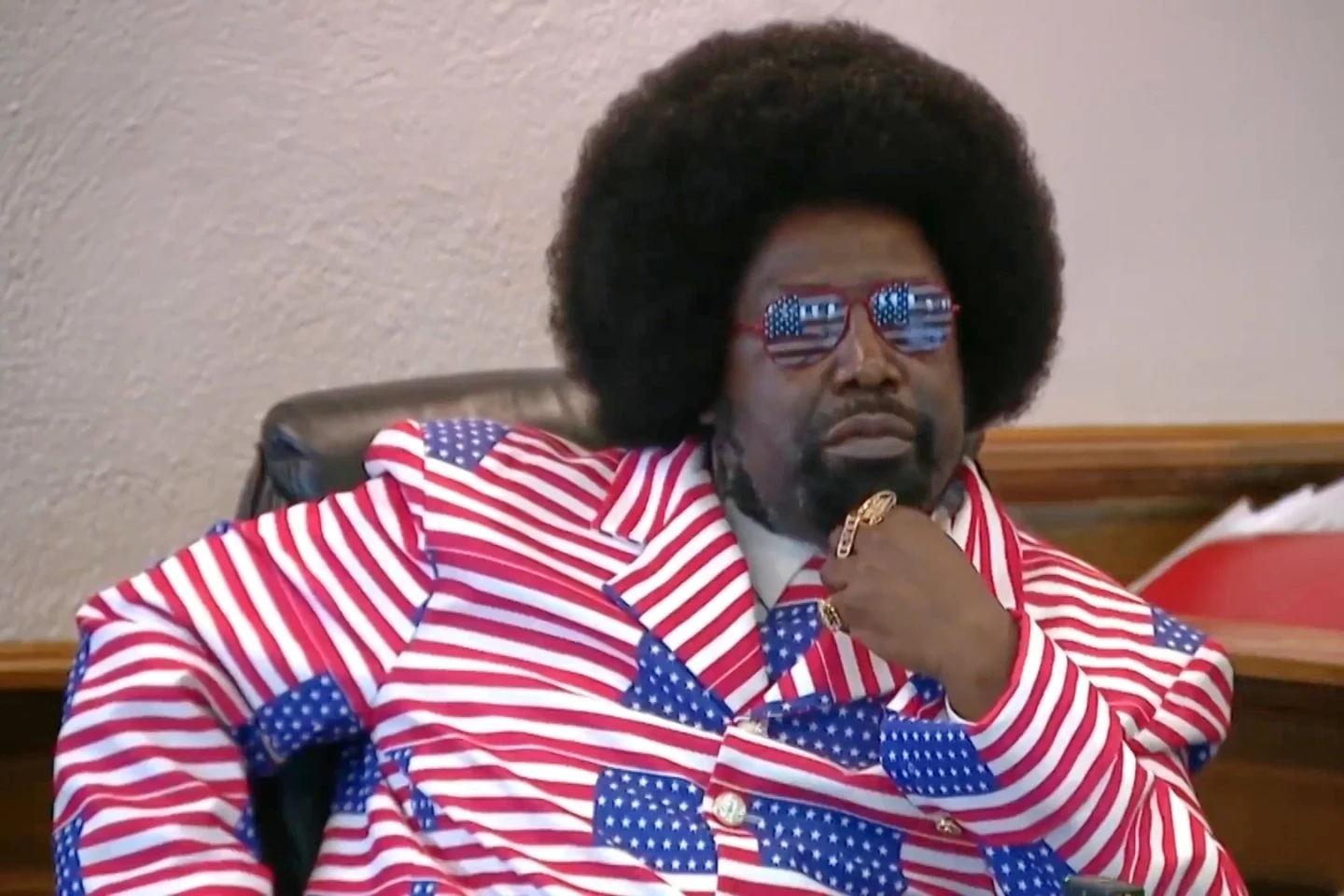
The Grammy-nominated rapper Afroman has successfully won a defamation lawsuit against seven sheriff's deputies from Ohio, who claimed his music videos cruelly mocked their 2022 raid on his home.
Upon hearing the verdict, the 51-year-old rapper, whose real name is Joseph Foreman, joyfully exclaimed outside the courthouse, We did it, America! Yeah, we did it! Freedom of speech! Right on! Right on! and later shared the moment on social media.
The case tested the boundaries of parody and artistic expression regarding public figures. The deputies sought nearly $4 million in damages for what they described as public harassment stemming from the viral videos, which garnered over 3 million views on YouTube.
During the trial, Afroman's defense attorney argued that police officers should expect criticism and that no reasonable person would deem it unacceptable. Afroman’s videos featured home security footage of officers busting down his door, and even alluded to their alleged misappropriation of $400 during the raid.
The deputies contended that Afroman's songs ridiculed them personally. They articulated feelings of humiliation, with one deputy's child reportedly facing harassment at school due to the videos.
In his testimony, Afroman asserted, Police officers shouldn’t be stealing civilians’ money. This whole thing is an outrage, highlighting the trauma the raid inflicted on his family, particularly on his children.
Through his music, including the track titled Will You Help Me Repair My Door?, Afroman addressed the police directly, questioning the legitimacy of their actions and illustrating the absurdity of their raid.
No charges were filed following the incident, which was part of a drug and kidnapping investigation. Afroman maintained that the entire situation was unwarranted and expressed hope that his victory would resonate as a message about the importance of artistic freedom.
In closing arguments, Afroman's lawyer defended the rapper's right to express critique through exaggerated artistry, emphasizing the tradition of social commentary within music.
Afroman resides in Winchester, Ohio, approximately 50 miles from Cincinnati. His legal victory marks a milestone in the ongoing dialogue surrounding freedom of expression in the arts.