A recent World Health Organization (WHO) report indicates that approximately seven million cancer cases each year could be prevented through lifestyle adjustments and proactive measures. The analysis identifies that around 37% of cancers are attributable to factors like infections, lifestyle choices, and environmental pollutants that can be avoided.
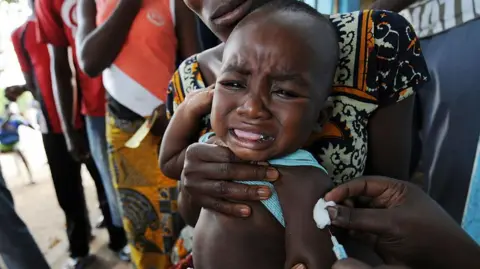
The researchers point to cervical cancers caused by human papillomavirus (HPV), which can be prevented through vaccination, and highlight the significant risk posed by tobacco smoke as major contributors to preventable cancers.
Dr. Isabelle Soerjomataram, a lead researcher, emphasized that this report presents a powerful opportunity to significantly improve the lives of millions through targeted prevention strategies.
Key statistics reveal that smoking accounts for 3.3 million cancers, while infections and alcohol use contribute to 2.3 million and 700,000 cases respectively. The report also underscores that certain cancers, due to genetic risks or aging, remain unavoidable.
The WHO's analysis, covering data from 185 countries, suggests tailored regional approaches are necessary to effectively address the cancer burden, with lifestyle changes being crucial in reducing preventable cases. Dr. Andre Ilbawi, from WHO, iterated the good news that preventive measures are effective and highlighted successful country interventions, like smoking cessation policies and HPV vaccination campaigns.