
In brief
Major NGOs have united in a letter demanding Israel end the "weaponization of aid" amid escalating starvation in Gaza, citing increasing restrictions that hinder relief efforts.
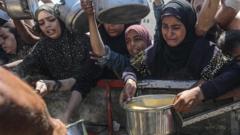
More than a hundred humanitarian organizations have come together to urge Israel to cease the "weaponization of aid" directed towards Gaza amidst a worsening humanitarian crisis marked by deepening starvation. Groups like Oxfam and Médecins Sans Frontières (MSF) report facing severe restrictions that prevent them from delivering critical aid supplies unless they adhere to stringent Israeli regulations.Israel, however, refutes claims of aid restrictions, stating that new guidelines introduced in March are designed to ensure aid delivery aligns with its national interests. According to the joint letter from humanitarian groups, nearly all major international non-governmental organizations have been unable to send any aid trucks into Gaza since March. The groups assert that dozens of requests for essential supplies were denied—in just July alone, over 60 requests were turned down.The inability to deliver crucial aid has resulted in hospitals lacking essential resources, with vulnerable groups—children, the elderly, and individuals with disabilities—facing starvation and preventable ailments. Sean Carroll, CEO of American Near East Refugee Aid (Anera), highlighted that over $7 million worth of essential supplies remain stockpiled in Ashdod, merely kilometers away from the besieged territory.Israel's new guidelines dictate stringent criteria for NGOs seeking to operate, which could lead to the rejection of their applications if they are perceived to undermine Israel's legitimacy. Israeli Diaspora Minister Amichai Chikli emphasized that organizations involved in violent activities would be barred, whilst those with no ties to such movements would be permitted to operate.Bushra Khalidi from Oxfam noted that over $2.5 million worth of goods have been blocked from entering Gaza, warning that these registration processes might curtail NGOs' independence and their capacity to advocate for the suffering populace.As Israel intensifies its offensive on Gaza City, plans are underway to control the city while assuring humanitarian aid would be directed to civilian areas—its specifics, however, remain unclear. Israel claims its approach is essential to prevent Hamas from seizing aid, a charge Hamas vehemently denies.Aitor Zabalgogeazkoa, MSF's emergency coordinator in the region, labeled the situation as a "militarized food distribution scheme," declaring it tantamount to weaponizing starvation. The humanitarian crisis is dire, with estimates of nearly 62,000 Palestinians killed in the ongoing conflict, alongside mounting deaths attributed to starvation and malnutrition.
