In brief
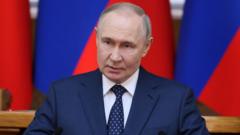
Putin's recent announcement for a three-day ceasefire has led to skepticism from Ukraine and critics, questioning whether it's a genuine peace gesture or just public relations.
In a world where ceasefires are often met with skepticism, Russian President Vladimir Putin's recent declaration of a three-day truce from May 8 to May 10, coinciding with the 80th anniversary of the end of World War II, has sparked debate over its true intent. During previous attempts at halting hostilities, accusations of violations have marred efforts, leading many to question the Kremlin's motives in this latest announcement.The Kremlin's statement highlighted a desire to cease all military actions for "humanitarian" reasons, assuming Ukraine would also reciprocate. However, Ukraine's Foreign Minister Andrii Sybiha promptly criticized the timing, asserting that Russia should initiate an immediate ceasefire instead of waiting for May. This raised alarms about whether the current truce is a genuine push for peace or merely a superficial PR initiative designed to cast Russia in a more favorable light.Putin's prior 30-hour ceasefire during Easter was similarly met with allegations of breaches from Ukraine, reinforcing the viewpoint of many Kremlin critics who believe these truce declarations serve more as strategic messaging than serious attempts at reconciliation. Such tactics may aim to influence perceptions in Washington, with some speculating that this is a maneuver aimed at appealing to U.S. President Donald Trump.Trump's own response pointed to continued aggressions from Russia against civilian targets in Ukraine, expressing skepticism about Putin's commitment to ending the conflict. While the White House acknowledged the ceasefire offer, spokesperson Karoline Leavitt emphasized the administration's demand for a permanent ceasefire to truly halt the violence.As the specter of potential peace negotiations unfolds, the prior disagreements between Russia and Ukraine over ceasefires remain telling. With both nations under immense scrutiny, the effectiveness of Putin's latest declaration will likely be measured against its actual adherence and the ensuing responses rather than mere rhetoric.