In brief
Growing discontent with the Liberal government fuels a surge in Alberta's separatist movement, highlighting tensions between western provinces and the eastern political landscape, while some locals express a desire for improved representation rather than separation.
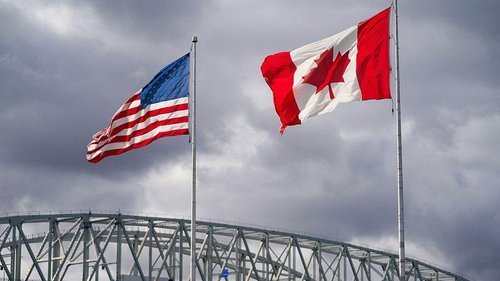
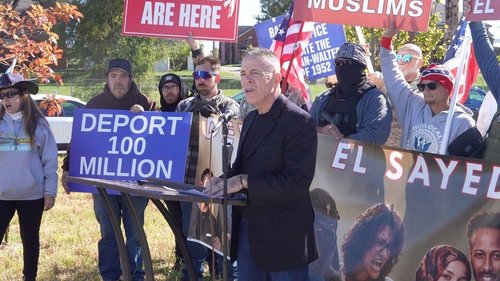
In the heart of Alberta, voices advocating for independence are reverberating louder than ever. As tensions rise over perceived neglect by the federal government, the sentiment for Alberta to carve out its own path or even join the United States is gaining traction. Events like those held in Lethbridge reveal a stark divide; at a recent gathering, roughly half the attendees supported the idea of Alberta's independence, with many advocating for the province to explore its relationship with the US. Dennis Modry, a co-leader of the Alberta Prosperity Project, proclaims that the quest for sovereignty is fueled by a mix of local frustrations and US politics, notably influenced by comments made by President Trump. "We have no interest in becoming the 51st state," Modry clarified, emphasizing the focus on Alberta's autonomy. However, fellow organizer Jeffrey Rath acknowledges a cultural affinity with neighboring states, suggesting that diversification of options is on the table. Long-standing sentiments of "western alienation" have become more pronounced under federal Liberal policies that many Albertans perceive as detrimental to their economy, especially in the energy sector. A recent poll indicates only about 25% of Alberta's population actively endorse the idea of separation, but there's significant recognition among Canadians that these feelings need to be addressed seriously. Critics of the current government express that anger towards perceived neglect will shape the electoral landscape, predicting a potential upheaval if there isn't movement toward better representation. Some constituents are hopeful that newly elected representatives will step forward to reconcile these regional disparities. Meanwhile, Alberta Premier Danielle Smith insists that immediate changes to federal environmental policies are crucial, citing a looming "national unity crisis" if their needs remain ignored post-election.Local voices like Judy Schneider are already decided; she will vote "yes" for independence should the opportunity arise, driven by the belief that Alberta's identity is not reflected in the current leadership. In contrast, others maintain a commitment to unity, stressing the need for Alberta and Canada to strengthen their ties amid growing discontent. As fear of disunity grows, the future relationship between Alberta and Ottawa stands at a critical juncture, with Alberta's identity and political influence in the national conversation increasingly in the spotlight.