In brief
Recent events illustrate a troubling environment for Syria's minority groups in light of ongoing violence.
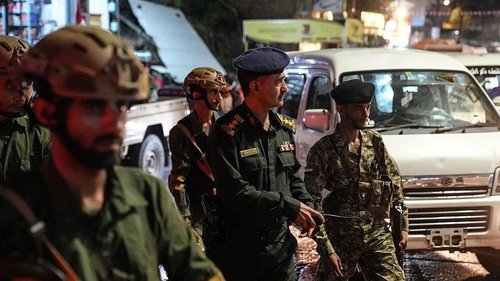
In December, the ousting of former dictator Bashar al-Assad sparked hopes of unification among rebels. However, the new administration quickly faces significant hurdles as sectarian violence continues to challenge national stability. This violence heightens anxieties among minority communities, particularly given that the new leadership is largely composed of the Sunni Arab majority.April brought tragic violence in neighborhoods surrounding Damascus, primarily home to the Druse community, when Islamist factions launched deadly assaults that caused numerous casualties. In response, Israeli forces conducted airstrikes, signaling their readiness to protect the Druse from extremist incursions. This event followed a wave of attacks in February that resulted in the deaths of approximately 1,600 individuals from the Alawite minority, according to reports from the Syrian Observatory for Human Rights.Although the new government has expressed intentions to assimilate various rebel factions into a unified national army, many radical elements remain autonomous. Minority groups such as the Druse, Alawites, and Kurds have organized their militias during the protracted civil war, refusing to disarm even in the conflict's aftermath. Furthermore, several former members of the Assad regime's Alawite ranks have taken up arms against the new ruling body.As Syria's diverse demographics navigate these treacherous waters, the road to peace and consolidation remains fraught with risk. Understanding the intricate dynamics within these minority communities is crucial for any hope of lasting stability in post-war Syria.