
In brief
Svitlana's story highlights the intense struggles faced by families of prisoners of war in Ukraine as they navigate manipulation attempts from Russian agents.
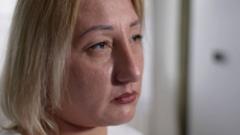
In a quiet apartment near Kyiv, Svitlana, a 42-year-old determined Ukrainian, shares her harrowing experience of resisting coercion from Russian agents while her husband Dima languishes in captivity. "I never thought about betraying my country, not for a second," she asserts, demonstrating her unwavering commitment to Ukraine despite the weight of her husband’s fate hanging in the balance.Having waited over two years for news about Dima, an army medic captured by Russian forces, Svitlana received a shocking phone call from an individual identifying himself as Dmitry, who made sinister proposals underlined with threats. On the call, he urged her to commit acts of sabotage—burn down military assets or divulge the locations of crucial Ukrainian defenses—all in exchange for better treatment for her husband in prison. Following guidance from the Ukrainian Security Service, Svitlana meticulously recorded every conversation and message with Dmitry, buying time as authorities investigated. During their exchanges, she listened to disturbing messages where Dmitry provided instructions on creating Molotov cocktails and other acts of vandalism, along with chilling threats aimed at her husband. “He kept saying: ‘Your husband is being tortured, and it’s your fault!’” Svitlana recalls, her eyes welling with emotion.Aware of the brutal realities of war, she pondered the ramifications of his threats. "What if he really could do it? How would I live with myself?" she questioned. With Svitlana’s reports to the SBU, she was advised to cut ties with Dmitry, escalating the threats she faced. The SBU reiterated that cooperating with Russian agents would exacerbate her husband's situation, stressing the importance of reporting any approaches from such individuals. Officials highlighted that agreeing to commit sabotage could lead to severe legal consequences, including life imprisonment. Petro Yatsenko from the Ukrainian military’s Headquarters for the Treatment of Prisoners of War estimates that 50% of families with captured members are contacted by Russian operatives, pushing them into vulnerable positions. However, he advises against succumbing to such pressures which he believes ultimately serve to destabilize the nation’s unity.Despite the overwhelming psychological toll, Svitlana’s resilience prevailed. After Dima’s release, the couple found solace in each other and joy in their family life, savoring moments with their four-year-old son, Vova. Reflecting on his freedom, Svitlana expressed her unfiltered relief and happiness: “It felt like I had snatched my love from the jaws of death.” Dima, now back home, reassured her that the Russians never acted on any retaliatory threats during her ordeal, further affirming their bond fortified by resilience in the face of adversity.

