In brief
Two heavily crowded fishing vessels departed Myanmar’s Rakhine state on 29 June with roughly 530 Rohingya passengers on board. They never returned and are presumed to have capsized in rough monsoon seas. The victims were mainly women and children, and no survivors are likely. Their disappearance underscores the desperation of Rohingya fleeing conflict and poverty in Rakhine and Bangladesh and illustrates the brutal human‑smuggling networks that whisk them across precarious sea routes to Malaysia and Indonesia. The incident highlights a broader crisis where Rohingya are trapped between conflict, limited aid, and a lack of safe, sanctioned migration routes.
Two Boats Carrying Over 500 Rohingya Sail to Unknown Fate
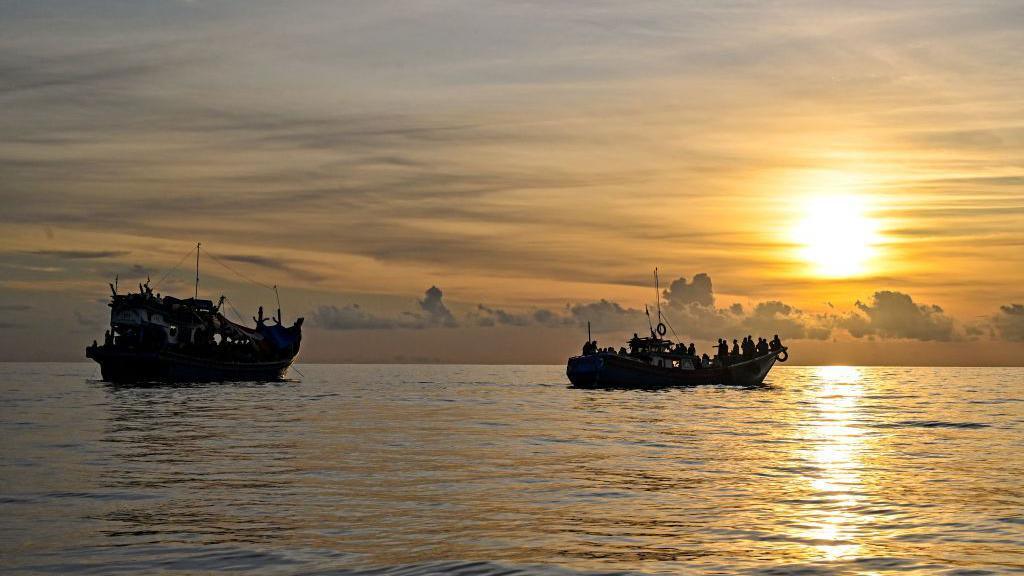
On 29 June two fishing trawlers, overloaded with an estimated 530 Rohingya asylum seekers, set off from Myanmar’s Rakhine province. The vessels carried the equivalent of a jumbo jet of people, most of them women and children, and left under a looming monsoon that produced violent seas. They have not been heard from since, and investigators believe both boats most likely capsized.
The situation in Rakhine has been a prolonged war zone, with the Myanmar military confronting the Arakan Army, which controls Sittwe and much of the western coastline. Communications have been cut, and the fishermen and smugglers who typically ferry people out of the region have faced growing pressure from Myanmar, Thai, and Indonesian authorities.
Rohingya refugees in Bangladesh live in overcrowded camps with scarce aid; many have turned to danger‑laden, clandestine voyages to escape persecution. Smugglers load as many passengers as possible onto rushed fishing vessels, carry them to the southern coast, and then transfer them via smaller boats, ground camps in Thailand, or back onto sea routes to Malaysian or Indonesian waters. The costs range from $2,000 to $4,000 per person, and any failure to pay ends in beatings or confrontations.
News agencies recovered the body of one woman washed ashore and several bodies in the waters between Bangladesh’s Irrawaddy delta and Myanmar’s Mon state nine days later. Analyses from people smugglers’ allies and local contacts suggest the first boat crashed minutes after departure, while the second sank after a few days at sea. No survivors have been located.
The UNHCR estimates that about 4,700 Rohingya have left Myanmar in 2026, but the figure may be higher than the reported 10,000 smuggling journeys since last year’s September. Calls for safer, regulated routes have been largely ignored by regional governments, which refuse to host asylum seekers or negotiate evacuation pathways.
The tragedy of the vanished vessels serves as a stark reminder of the perilous, hidden journeys many Rohingya undertake daily to survive—an exodus that threatens lives, fuels human trafficking, and highlights the urgent need for humanitarian intervention.