In brief
The journey to the U.S. promised a better life for many Chinese migrants, like Pan and James, but they now find themselves in a precarious situation due to rising tensions and strict immigration policies under President Trump. Their struggles spotlight the fading allure of the American dream amidst growing uncertainty.
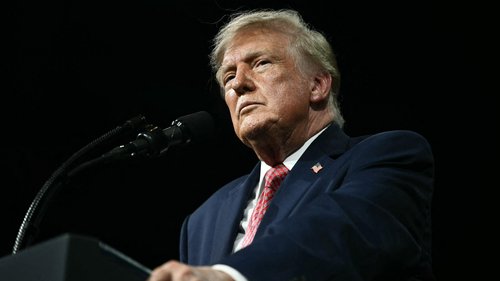
In early 2023, Pan, a Chinese man in his fifties, embarked on a perilous journey from his homeland to the U.S., driven by a desperate hope for a better life. Leaving behind a home destroyed by government actions, he navigated through Latin America, enduring jungles and countless challenges, before finally landing in California, where he now works in a restaurant, yearning for freedom from his past. Pan's experience is echoed by thousands of Chinese nationals, known as "zou xian ke," who have fled authoritarianism in China seeking a fairer society. But their hopes have been met with harsh realities upon arrival; many struggle with language barriers and face job insecurity as they await the slow progress of asylum applications. Some remain optimistic, while others are beginning to question their decision to come to America, particularly in light of the political climate.In recent months, as Donald Trump returned to power, tensions between the U.S. and China have escalated, prompting fears among immigrants of increased deportations. Recent ICE raids in Southern California have escalated worries within the Chinese migrant community, adding to the emotional burden of living under constant uncertainty. Among the newcomers is James, who, despite facing obstacles, has adapted to life as a delivery driver in Palm Springs. He reflects on the difficulties of his past life in China, where relentless effort yielded little hope. Yet, just as he finds a routine in the U.S., he grapples with the looming potential for instability as Trump's administration intensifies its stance on immigration.For many, this political shift has fostered a sense of disillusionment. Kevin, another migrant, expresses regret over his decision to come, likening the current atmosphere in America to China. As these experiences unfold against a backdrop of anxiety about the future, the question looms large: is America still worth the gamble for those who have risked everything to arrive here? The answer remains uncertain, as migrants like Pan quietly contemplate the unbearable thought of returning to a life they fled, clinging to the hope that their efforts will eventually lead to dignity and security.